How Long Does It Take to Charge an Electric Vehicle? (2026 Complete Guide)
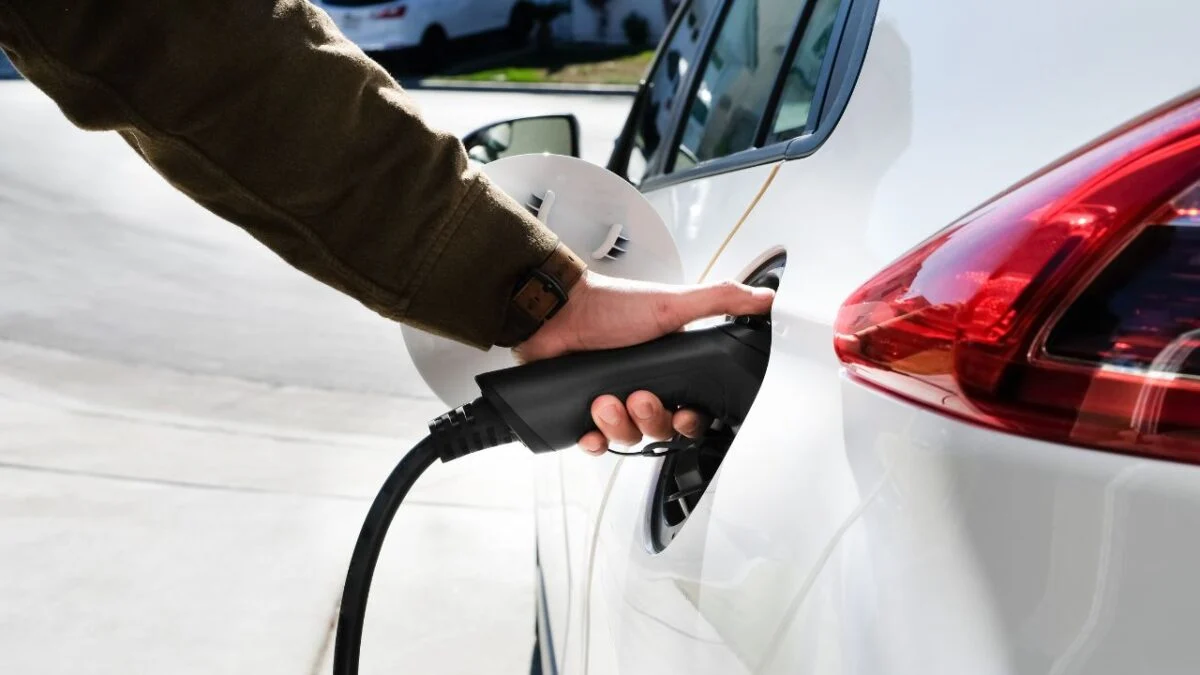
If you are planning to switch to clean transportation, knowing how long does it take to charge an electric vehicle is likely one of your biggest questions. The honest answer is that charging time varies significantly depending on the plug you use, the battery capacity of the car, and the ambient temperature. In general, fully powering up an electric car can take anywhere from twenty minutes at a public rapid station to over twenty-four hours using a basic home socket.
Understanding these time differences is essential for planning daily commutes and long-distance road trips. Charging an electric car is fundamentally different from filling up a traditional petrol or diesel tank. Instead of standing at a fuel station for five minutes, most electric car drivers top up their battery power while sleeping at home or working at the office.
How Long Does It Take to Charge an Electric Vehicle Across Different Levels?
Electric car charging equipment is split into three main categories based on voltage and power delivery. According to the official U.S. Department of Energy EV Infrastructure Guidelines, each category offers vastly different speeds and serves a specific purpose in your daily driving routine.
Level 1 Household Charging
Level 1 charging relies on a standard household wall socket using the cable that usually comes bundled in the trunk of the car. Because standard household outlets operate at low voltage, energy flows into the battery pack very slowly.
A basic household socket generally adds about three to five miles of driving range for every hour the vehicle remains plugged in. If you have a modern electric car with a medium-sized battery pack, getting a complete charge from zero to full can easily take anywhere from thirty to forty hours.
While this option is far too slow for people who drive long distances every day, it can work fine for urban drivers with short daily commutes. If you only travel fifteen miles a day, plugging into a regular wall outlet overnight will easily replace the spent battery energy before morning.
Level 2 Fast Home and Public Charging
Level 2 is the standard charging method used for home garage setups, workplace parking lots, and public destination chargers. These units operate on a higher voltage circuit, similar to the outlet used by a heavy electric laundry dryer.
A typical Level 2 charger delivers enough power to add twenty to thirty miles of range per hour. This allows most electric vehicles to go from a fully empty battery to one hundred percent capacity in about six to eight hours.
Because of this efficiency, Level 2 represents the sweet spot for daily driving. Plugging your vehicle into a home Level 2 wallbox when you return from work ensures you wake up every single morning with a fully topped-up battery.
Level 3 DC Fast Charging
Level 3 charging, commonly known as Direct Current or DC fast charging, is designed specifically for rapid power delivery along major highways and commercial routes. Unlike lower levels, these massive commercial stations bypass the internal converter of the vehicle and supply power straight into the battery cells.
High-power fast chargers can boost an electric car battery from ten percent to eighty percent in approximately fifteen to thirty minutes. Public networks allow modern electric road trips to feel almost as convenient as traditional fuel stops.
However, fast chargers are intended primarily for highway stops rather than daily home use. The high heat generated by constant rapid charging can accelerate battery wear over many years if used as the sole method of charging.
Key Real-World Factors That Control Charging Speed
Even when using the exact same plug, your actual charging duration will not always be identical. Several environmental and technical factors directly influence how fast your vehicle takes on energy.
Battery Size and Available Capacity
The physical size of your car battery pack is the single primary factor determining total charge time. Battery size is measured in kilowatt-hours, which functions similarly to the gallon size of a fuel tank.
A compact city car with a small battery pack will require far less time to reach full capacity than a heavy electric pickup truck with a massive battery pack. Even when plugged into a powerful charger, larger battery packs simply require more energy volume to fill completely.
The Battery State of Charge Curve
Electric car batteries do not draw power at a constant speed from empty to full. Instead, they follow a charging curve that slows down as the battery pack fills up with energy.
When an electric car battery is empty, it accepts high amounts of power very quickly. Once the state of charge reaches eighty percent, the onboard computer intentionally slows down the intake speed to prevent overheating and internal cell damage.
Because of this safety mechanism, the final twenty percent of a charge cycle often takes just as long as the first eighty percent. On road trips, it is usually far more time-efficient to unplug at eighty percent and continue driving rather than waiting for a full one hundred percent charge.
Weather and Battery Temperature
Lithium-ion batteries operate most efficiently in moderate temperatures between sixty and eighty degrees Fahrenheit. Extreme cold weather significantly increases internal resistance inside battery cells.
During freezing winter weather, your car battery must spend extra energy heating itself before it can accept rapid power. This pre-heating requirement can extend fast-charging stop times by fifteen to thirty extra minutes during cold months.
Conversely, extreme summer heat can also trigger the vehicle computer to reduce charging speeds to protect the battery cooling system from strain. Parking in a shaded garage during heatwaves helps maintain optimal charging efficiency.
Vehicle Onboard Charger Limitations
Every electric car contains an onboard power converter that translates alternating current from the grid into direct current for the battery pack. These technical hardware compliance rules follow the established SAE International Charging Standards.
If your home wallbox can supply eleven kilowatts of power, but your specific car model features an onboard converter capped at seven kilowatts, your charging speed will remain limited to seven kilowatts. The car will simply ignore the extra available electricity.
Real-World Charging Times for Major Electric Cars
Different vehicle manufacturers design their battery systems with different electrical setups. Comparing real-world performance across popular models illustrates how hardware choices affect time spent at chargers.
Compact and Midsize Commuter Cars
Popular midsize electric vehicles equipped with average-sized battery packs offer balanced performance for daily driving and occasional travel.
When plugged into a Level 2 home station, these midsize models routinely require around six to seven hours for a full overnight charge. On a high-powered highway fast charger, they can typically replenish eighty percent of their driving range in under twenty-five minutes.
Large Electric SUVs and Trucks
Heavy electric SUVs and full-size pickup trucks carry significantly larger battery packs to pull their heavier body weight and deliver adequate range.
Because their energy capacity is nearly double that of a standard hatchback, charging these large vehicles on a regular home outlet can take several days. Installing a dedicated Level 2 wallbox is practically mandatory for truck owners to ensure full power overnight.
At highway fast chargers, large electric trucks require high-amperage commercial stalls to complete an eighty percent charge in around forty minutes.
High-Voltage Advanced Architecture Cars
A growing number of modern electric cars use advanced high-voltage battery architecture. These vehicles are engineered to handle extreme amounts of power without generating dangerous internal heat.
Cars built on this advanced system can take full advantage of the fastest public stations available. These high-voltage setups represent some of the most impressive hardware shifts, similar to modern consumer hardware discussed in our review of the Best Tech Gadgets of 2026.
Home Charger Installation Essentials and Costs
For the vast majority of owners, installing a Level 2 charger at home provides the most convenient and affordable way to keep an electric car powered up every day.
Evaluating Your Electrical Service
Before buying a home charging unit, you must have an electrician inspect your main electrical service panel. A Level 2 charger requires its own dedicated circuit breaker, similar to an electric oven or central air conditioner.
Homes with older one-hundred-amp electrical panels may require a panel upgrade to handle the additional continuous energy load safely. Modern homes with two-hundred-amp service usually have sufficient capacity available without major utility changes.
Hardware Options and Practical Features
Home charging units are available as either plug-in models that connect to a heavy-duty wall outlet or hardwired units connected directly into your home wiring.
Hardwired units generally offer slightly faster charging rates and higher weather resistance for outdoor installation. Smart home chargers also feature wireless connectivity, allowing you to track energy usage and schedule charging times directly from your smartphone.
Managing Charging Costs Efficiently
Charging an electric car at home is almost always significantly cheaper than buying gasoline or using public commercial fast chargers. You can reduce your running costs even further by taking advantage of special utility programs.
Many electric utility providers offer off-peak power plans that drop electricity prices dramatically during late-night hours. By setting your car or smart charger to begin drawing power only after midnight, you can keep your monthly driving expenses as low as possible.
Smart Habits to Preserve Long-Term Battery Health
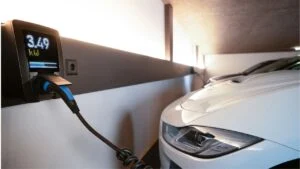
Modern electric vehicle battery packs are engineered to last for the lifetime of the car. Following a few simple daily charging habits will help preserve your battery capacity and driving range for many years.
Adopting the Eighty Percent Daily Rule
For daily city commuting, try to set your vehicle target charge limit to eighty percent instead of one hundred percent.
Keeping a lithium-ion battery fully topped up for long periods creates stress on internal materials. Saving full one hundred percent charges for morning departures on long road trips keeps the battery healthy over time.
Avoiding Deep Battery Depletion
Just as you should avoid keeping your battery at full capacity constantly, you should also avoid leaving your car sitting near zero percent.
Allowing a battery pack to sit completely empty for extended periods can cause permanent chemical damage to the internal cells. Try to plug in your car whenever the remaining range drops below twenty percent.
Using Navigation for Preconditioning
When driving toward a fast charger on a highway trip, always enter the charger location into your car built-in navigation system rather than relying solely on your phone map app.
When the vehicle knows you are heading to a fast charger, it automatically warms or cools the battery to the exact ideal temperature before you arrive. This preconditioning process allows the battery to accept maximum power immediately upon plugging in.
Frequently Asked Questions About EV Charging
Is it safe to leave an electric car plugged in every night?
Yes, it is completely safe to leave your vehicle plugged in continuously. Modern electric cars contain intelligent onboard controllers that automatically cut off power flow as soon as the battery reaches its assigned target limit.
Will frequent fast charging damage my car battery?
Occasional use of highway fast chargers during road trips causes minimal long-term degradation. However, relying exclusively on high-power fast chargers every single day can generate excessive heat that slowly reduces total battery lifespan over several years.
Why does charging slow down dramatically during winter?
Cold temperatures make the chemical liquid inside battery cells sluggish, increasing internal resistance. The car computer intentionally slows energy intake until the internal thermal system heats the battery pack to a safe operating temperature.
Conclusion
Knowing how long does it take to charge an electric vehicle ultimately comes down to matching your daily driving habits with the right equipment. While Level 1 outlets serve as a basic emergency backup, installing a Level 2 home charger transforms the ownership experience by turning overnight downtime into a full battery every single morning.
By relying on Level 2 power for daily city driving and using Level 3 fast chargers for highway travel, you can enjoy seamless transportation without wasting time waiting for your car to power up.