Understanding Every Type of Athletics in Track and Field
A type of athletics typically refers to a specific category of athletic competition found within major global sports meetings like the Olympic Games and World Championships. These sporting contests divide naturally into track running, field jumps, field throws, and combined multi-sport disciplines. Each specific discipline tests unique human capabilities such as raw speed, explosive power, or incredible cardiovascular endurance. Learning about these separate classifications helps fans appreciate the immense training required by elite competitors across the globe. You can learn more foundational definitions by exploring what is athletics in detail.
Running events on the oval track form the most visible portion of any standard athletics meeting. Athletes compete across short sprints, medium distances, and grueling long-distance races on a synthetic rubber surface. Hurdles and steeplechase races add barriers that require both jumping ability and sprinting speed. Relays test teamwork and baton-handling skills alongside pure running pace. These track disciplines have evolved over centuries into highly technical races governed by strict global rules.
Field events take place inside the central grass arena or dedicated throwing and jumping sectors. Jumpers propel their bodies over high bars or through sand pits using speed and technique. Throwers hurl heavy implements like iron balls, sharp javelins, or metal discs with maximum rotational force. Every participant must master specific biomechanical movements to achieve peak performance. These technical contests demand intense focus and years of dedicated muscle conditioning.
Combined events challenge athletes to compete across multiple disciplines over one or two days. Competitors earn cumulative points based on their performance in sprints, throws, and jumps. This format crowns the world’s most versatile athletes who excel in several entirely different movement patterns. Legendary multi-event specialists train daily across varied disciplines to maintain a competitive edge. Such grueling formats separate ordinary runners from truly exceptional all-around sportsmen.
Understanding these distinct divisions enriches the viewing experience for casual sports fans and dedicated followers alike. International governing bodies oversee standard measurements, implement strict safety guidelines, and ratify official world records. Athletes dedicate their entire lives to mastering just one narrow specialty or conquering several diverse events. Next, we will break down the exact categories that make up the global sport.

Categorizing Every Major Type of Athletics
The World of Track Sprints
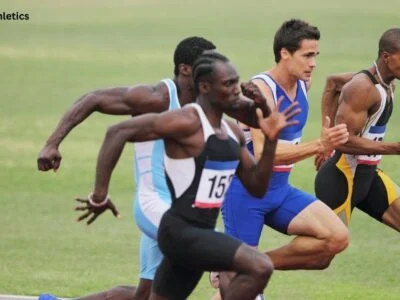
Short running races demand explosive acceleration and maximum top-end running speed. Sprinters explode out of starting blocks to cover distances ranging from sixty meters indoors up to four hundred meters outdoors. Athletes must maintain perfect running form while fighting severe muscle fatigue over the final meters. These brief contests often finish in fractions of a second. Timing systems record exact results to determine winners in tight photo finishes.
Evolution of Modern Sprinting Techniques
Coaches analyze high-speed video footage to refine every single phase of a runner’s stride. For example, the initial block clearance requires powerful leg extension against angled metal plates. Then, athletes transition smoothly into an upright running posture after the first thirty meters. While natural talent matters greatly, rigorous drills build the necessary neuromuscular pathways. In fact, modern training methods have pushed world records down to astonishing levels.
Middle and Long Distance Running
Endurance races require efficient oxygen utilization and steady pacing strategies over extended periods. Middle-distance races cover eight hundred and fifteen hundred meters, combining tactical positioning with fast finishing kicks. Long-distance events push runners through five thousand meters, ten thousand meters, and the punishing marathon. Athletes must monitor their physical exertion carefully to avoid early exhaustion. Proper hydration and nutritional preparation remain vital for success in these demanding events.
Tactical Pacing in Endurance Events
Runners rarely sprint from the starting gun in a long-distance race. Instead, they settle into a calculated rhythm to conserve vital energy stores. For instance, elite competitors draft behind leaders to reduce air resistance on windy days. While physical conditioning forms the foundation, mental toughness decides who wins the final sprint. Therefore, training camps focus heavily on simulated fatigue scenarios.
Physiological Demands of Distance Running
Aerobic capacity dictates how well an endurance runner performs over long stretches of time. Heart rates remain elevated for hours while muscles process oxygen efficiently at high speeds. Also, glycogen stores in the legs dictate whether a runner hits a wall near the end of a race. Because of this physiological stress, athletes train extensively at high altitudes to boost red blood cell counts. Finally, recovery days allow muscle fibers to repair properly before the next intense training block.
Hurdles and Steeplechase Events
Hurdling events require runners to clear a series of physical barriers while maintaining their sprinting rhythm. Athletes face high wooden or metal hurdles spaced at regulated intervals along the straight and curved track. The steeplechase adds a wide water jump alongside traditional barriers, creating a chaotic and tiring spectacle. Competitors need exceptional flexibility, timing, and fearlessness to navigate the obstacles cleanly. A fall or mistimed jump can instantly ruin months of rigorous training.
Mastering Technical Barrier Clearance
Clearing a barrier efficiently requires a fluid hurdling motion rather than a simple jump. Athletes must lean forward and snap their lead leg over the wooden beam quickly. While this action looks effortless on television, it demands years of specialized flexibility work. For example, elite hurdlers practice hundred-meter repetitions with lowered obstacles to build muscle memory. As a result, they maintain near-sprinter speeds throughout the entire race.

The History and Rules of Steeplechase
Steeplechase events originated in rural Britain where runners raced from one church steeple to another. Along the way, they leaped over stone walls and natural streams. Today, athletes face permanent wooden barriers and water pits constructed directly on the synthetic running track. Rules dictate the exact height of every barrier and the depth of the water pit to ensure fair play. Still, wet conditions make falls common during championship finals.
Jumping Disciplines in the Field
Vertical jumps challenge athletes to clear a horizontal bar suspended in the air without knocking it down. High jumpers use a specialized Fosbury flop technique, while pole vaulters use a flexible fiberglass pole to reach incredible heights. Horizontal jumps require athletes to sprint down a runway before launching themselves into a sand-filled pit. The long jump measures total distance from a takeoff board, whereas the triple jump includes a hop, a step, and a final jump. Every jump requires precise timing and explosive lower-body strength.
Biomechanics of the Pole Vault
Pole vaulting combines gymnastics, sprinting, and aerial acrobatics into a single breathtaking event. Athletes sprint down the runway carrying a long pole made of carbon fiber or fiberglass. Then, they plant the tip of the pole into a metal box embedded in the track. While the pole bends under their body weight, vaulters invert themselves smoothly. Finally, they clear a bar set high above the ground before landing on a massive foam cushion.
Detailed Mechanics of the Long Jump
Long jumpers rely on maximum horizontal velocity to carry their bodies through the air. First, they accelerate down a forty-meter runway with pinpoint accuracy. Next, they strike the takeoff board precisely without overstepping the foul line. While airborne, they perform a hitch-kick or hang technique to maintain balance and prevent forward rotation. Finally, they extend their legs forward to maximize distance before landing in the soft sand.
Throwing Disciplines in the Field
Throwing events test pure upper-body power, core strength, and rotational physics. Shot putters push a heavy metal sphere from a restricted circular ring using an overhead or rotational motion. Discus throwers spin rapidly inside a cage to launch a heavy aerodynamic plate as far as possible. Hammer throwers swing a weighted ball attached to a steel wire before releasing it into a designated landing sector. Javelin throwers rely on a running approach to whip a pointed spear into the air with maximum velocity.
Physics and Force in the Throws
Throwers generate incredible momentum by utilizing centrifugal force within a small throwing circle. For instance, discus throwers complete one and a half rotations before releasing the implement at the optimal angle. While raw strength helps, proper release velocity and aerodynamic lift determine the ultimate distance. Therefore, coaches spend countless hours analyzing the footwork and torso torque of each competitor. Still, a minor slip in technique can cause the implement to land outside the legal sector.
The Art of Javelin Throwing
Javelin throwing stands apart because it allows athletes to build forward momentum using a runway. Competitors carry the spear overhead before transitioning into a synchronized cross-step withdrawal phase. While planting their block foot firmly, they whip their torso forward like a stretched rubber band. For example, elite throwers achieve release speeds exceeding one hundred kilometers per hour. As a result, modern javelins often fly so far that stadiums must feature extended safety zones.
Multi-Event Competitions
Combined events push human limits by forcing athletes to compete across ten different disciplines in the decathlon or seven in the heptathlon. Events span two days of continuous physical exertion under varying weather conditions. Athletes collect points for their distances or times in each specific discipline rather than just winning individual races. Scoring tables convert every performance into a universal metric to crown an overall champion. You can discover more about specific running disciplines by reading what are the events in track and field to see how they fit together.
The Mental and Physical Toll of Combined Events
Competing across multiple days requires a unique blend of physical recovery and psychological resilience. Athletes must switch their mindset rapidly from explosive power events to endurance races. For example, a decathlete goes from throwing heavy metal implements to running a punishing fifteen-hundred-meter race. While exhaustion creeps in by the second day, proper nutrition helps maintain energy levels. Consequently, only the most dedicated multi-sport competitors reach the Olympic podium.

Scoring Systems in Combined Events
Complex mathematical formulas determine the winner of a decathlon or heptathlon rather than simple race positions. Each performance translates into points based on a statistical evaluation model maintained by World Athletics. Because these tables weight different events equally, athletes must develop balanced skill sets across running, jumping, and throwing. For instance, a poor performance in the pole vault can ruin an otherwise stellar weekend. Therefore, decathletes spend years practicing events where they lack natural talent.
Frequently Asked Questions
What is the most popular type of athletics event?
The one-hundred-meter sprint is widely considered the most popular and prestigious event in the sport. It crowns the fastest human on earth and attracts massive global television audiences during the Olympic Games.
Are combined events held over one or two days?
Men’s decathlons span two full days of intense competition across ten distinct track and field disciplines. Women’s heptathlons also take place over two days, featuring seven varied events.
How do field events differ from track events?
Track events take place entirely on the running oval and focus on speed and endurance over distance. Field events occur in the central arena and test jumping height or throwing distance.
Can athletes compete in multiple types of athletics?
Elite runners occasionally double up in events like the five thousand and ten thousand meters at major championships. However, specialized training usually keeps athletes focused on one specific discipline or a multi-event format.
Conclusion
Exploring every type of athletics reveals a diverse world of speed, strength, and remarkable endurance. From blistering short sprints and tactical distance races to technical field jumps and powerful throws, the sport demands varied human talents. Understanding these divisions helps viewers appreciate the dedication behind iconic performances, much like the legendary hurdles races analyzed in this Karsten Warholm profile. Take time to watch a live athletics meeting or track championship to witness these incredible disciplines in action.