
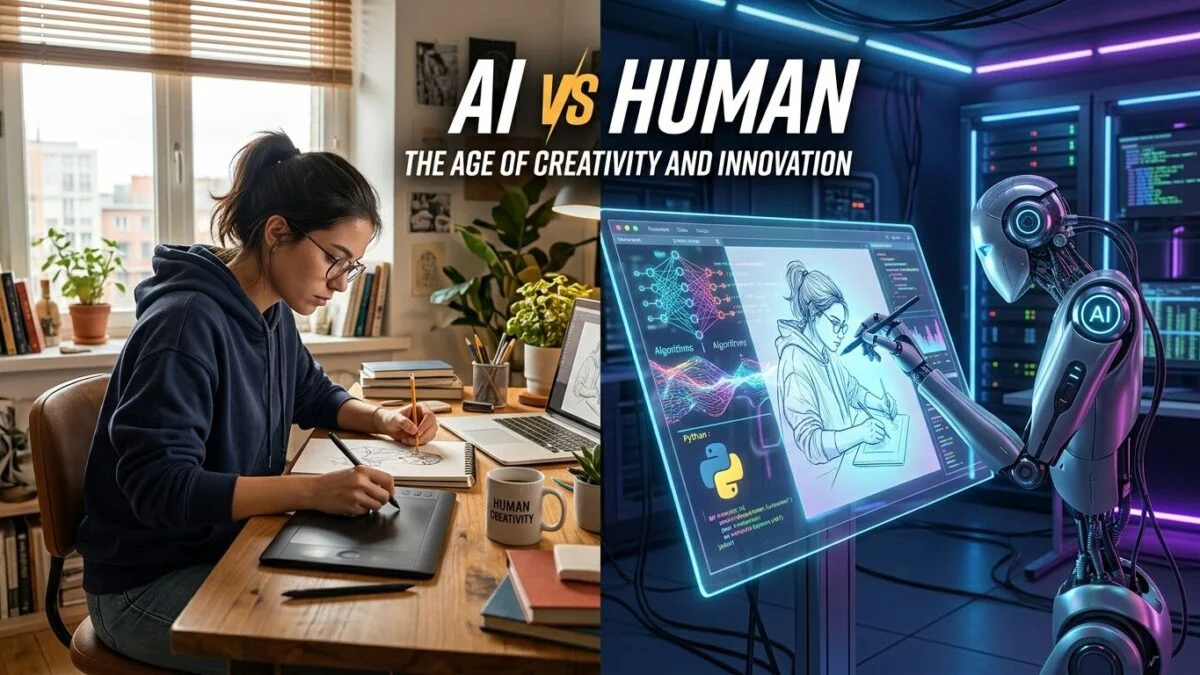
AI vs Human: Who Will Win the Future of Work, Creativity, and Intelligence?
The modern technological landscape is dominated by an escalating dialogue regarding the boundary lines that separate machine automation from human capability. Also, the question of AI vs Human: Who Will Win the Future of Work? Stands at the center of this debate across global industries today. As artificial intelligence systems evolve at an unprecedented pace, industries across the globe are forced to reevaluate traditional workflows and operational frameworks. In addition, this dynamic evolution transcends simple software updates; it challenges our fundamental understanding of labor, cognitive output, and digital existence. Balancing technological speed with human ingenuity is the key challenge of this transition. Consequently, society stands at a critical juncture where defining the relationship between artificial intelligence and human intelligence is most important for future survival.
How within works in practice
The short answer
The short answer
At the heart of this discourse is the transformation of productivity, where algorithms demonstrate unmatched speed in processing vast datasets and executing repetitive tasks. Businesses are increasingly adopting automated systems to minimize human error, reduce overhead costs, and accelerate project delivery times across multiple sectors. However, this heavy reliance on digital infrastructure exposes a distinct gap in contextual comprehension and adaptability during unpredictable market shifts. While machines excel at pattern recognition within predefined parameters, they fundamentally lack the situational awareness required for complex, ambiguous problem-solving. Therefore, the corporate sector must balance technical automation with strategic oversight to maintain long-term stability and operational resilience.
Beyond mere productivity, the debate intensifies when examining the domains of art, design, and conceptual innovation within creative industries. Advanced generative models can synthesize visual assets, draft written copy, and compose music within seconds, mimicking human output with astonishing accuracy. Despite these technological milestones, critics argue that machine-generated creations are merely statistical permutations derived from existing training data rather than true emotional experiences. Human creativity is deeply rooted in personal history, cultural nuances, emotional vulnerability, and existential reflection, which algorithms can’t genuinely replicate. This fundamental difference ensures that while tools evolve, the soul of true artistic direction remains uniquely anchored in human consciousness.
A closer look
Ethics, empathy, and moral responsibility further widen the chasm between artificial constructs and human decision-makers in high-stakes environments. Leadership, governance, and crisis management require a level of emotional intelligence and ethical accountability that code-based systems simply can’t possess. When moral dilemmas arise in legal, medical, or corporate governance, human intuition and empathy guide the ultimate resolution based on shared societal values. Machines operate on binary logic and optimization formulas, which can inadvertently lead to biased outcomes or cold, detached decisions devoid of human compassion. Preserving this ethical high ground is essential to ensure that technological progress serves humanity rather than superseding its core moral principles.
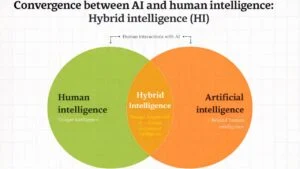
Ultimately, the trajectory of this digital revolution points away from a dystopian replacement scenario and toward a collaborative ecosystem of shared potential. Rather than viewing the landscape as a zero-sum conflict, forward-thinking organizations are embracing models where technology amplifies human strengths instead of erasing them. Professionals who master the art of integrating machine intelligence into their daily workflows are positioning themselves at the forefront of the modern economy. This synergy allows humans to focus on higher-order strategic thinking, relationship building, and visionary innovation while routine burdens are managed by algorithms. By building this harmonious coexistence, society can unlock unprecedented levels of progress while safeguarding the irreplaceable essence of human identity.
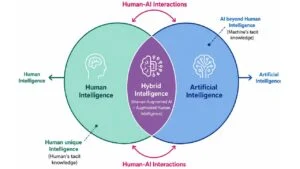
AI vs Human: Who Will Win the Future of Work? Navigating the Paradigm Across Modern Industries
The Evolution of Digital Creativity and Generative Design Systems
The creative sector is undergoing a massive transformation driven by advanced generative tools and automated layout architectures. Modern professionals use intelligent software assistants to accelerate asset prototyping and explore multiple design concepts rapidly. In fact, this shift allows creators to bypass tedious manual formatting and focus entirely on original storytelling. Integrating specialized platforms, such as an AI design agent for creative workflows, helps digital artists to simplify their foundational production phases. These smart tools handle repetitive visual iterations while keeping human intent at the core of the project.
Despite these technical milestones, core artistic direction still relies heavily on personal narrative and emotional depth. According to research published by the Stanford Human-Centered AI Index, human oversight remains essential for maintaining authenticity and conceptual nuance in digital media. Creators must continuously evaluate these automated assets to ensure they meet high standards of quality. Without this direct engagement, artistic output risks losing its unique voice.
Next-Generation Media Production and Video Generation Technologies
Media production pipelines have entered an era defined by hyper-realistic synthetic media generation and automated editing suites. Creators can now conceptualize and render complex visual sequences in a fraction of traditional production timeframes. On top of that, this technological leap significantly lowers technical barriers for independent studios and digital content creators. Examining state-of-the-art developments, such as the advanced capabilities discussed in Veo 3, highlights how machine intelligence is reshaping cinematic rendering standards.
These automated architectures allow production teams to execute heavy visual calculations effortlessly while maintaining high fidelity. Despite these breakthroughs, narrative coherence and thematic resonance still require continuous human creative oversight. According to insights shared by TechCrunch, the future of professional media production relies on hybrid workflows where human directors guide automated rendering engines. Directors balance visual effects with authentic emotional delivery during every scene, and this careful integration protects artistic integrity across complex modern projects.
Emotional Intelligence, Ethical Governance, and Strategic Decision-Making
Beyond computational speed and creative output, the definitive boundary between algorithms and human beings lies in emotional intelligence and ethical accountability. Complex governance, crisis management, and organizational leadership require empathy, moral reasoning, and situational awareness that binary code can’t replicate. When critical choices involve sensitive legal or corporate dilemmas, human intuition evaluates the broader societal impact and emotional consequences. Leaders weigh multiple perspectives before reaching final conclusions.
Integrating governance frameworks into modern operations requires strict oversight to ensure that automated tools don’t produce biased or detached outcomes. According to guidelines published by the World Economic Forum, maintaining human-in-the-loop accountability is essential for ethical decision-making in tech-driven environments. This safeguards core human values while allowing organizations to benefit from data-driven insights. Careful monitoring prevents systems from drifting into unfair operational practices.
Ultimately, the future workforce must use machine intelligence for analytical processing while retaining full ownership of strategic vision and relationship-building. By combining algorithmic efficiency with human empathy, society can navigate complex challenges without losing its moral compass. Collaboration rather than replacement remains the ultimate key to sustainable professional growth. Workers who master this dual approach thrive in changing markets.
Frequently Asked Questions
Will artificial intelligence completely replace human jobs in the near future?
Artificial intelligence is designed to automate repetitive and data-heavy tasks rather than eliminate entire professions. Human adaptability and emotional intelligence remain irreplaceable across most industries.
How does human creativity differ fundamentally from machine-generated art?
Human creativity originates from personal life experiences, emotional vulnerability, and cultural context. Generative models rely entirely on statistical pattern recognition.
What core skills should modern professionals learn to stay relevant alongside AI?
Professionals should focus on developing advanced critical thinking, emotional intelligence, and complex problem-solving. Mastering digital tool integration also enhances career resilience.
Can algorithms truly understand or replicate human emotional intelligence?
Algorithms process binary logic and simulated responses based on historical data inputs, but they lack genuine sentience. True empathy requires lived human consciousness.
How do generative design systems impact traditional creative workflows?
Generative design systems accelerate early-stage prototyping and layout variations within seconds, and this allows digital artists to focus on high-level conceptual storytelling.
What are the main ethical concerns surrounding widespread AI adoption?
Primary ethical challenges include algorithmic bias, data privacy vulnerabilities, and accountability during high-stakes decisions. Strict regulations ensure technology serves societal well-being.
Why is human oversight important in automated media and video production?
Synthetic media platforms often lack contextual nuance and thematic consistency. Human directors provide the necessary narrative depth and creative vision.
Is the relationship between humans and AI a zero-sum competition?
The modern digital landscape points toward a collaborative ecosystem where humans and machines work in synergy. Technology amplifies human capability across daily operations.
Conclusion
The ongoing discourse surrounding artificial intelligence and human capability highlights a big era rather than a terminal conflict. While algorithms continue to redefine speed, data processing, and asset generation, the core pillars of civilization remain firmly rooted in human consciousness. True progress relies on embracing a collaborative model where technology amplifies human potential instead of erasing it. By integrating digital efficiency with emotional intelligence, strategy, and moral accountability, society can successfully navigate the future. Ultimately, mastering this synergy ensures that innovation serves to raise human creativity and professional growth for generations to come. Related reading: Master Google Flow: Simplify Your Work Life.

[…] How Research and Exploration Shape Our WorldUnderstanding Todd Blanche and His Legal CareerAI vs Human: Who Will Win the Future of Work?Fantastic Animals Movie: Cast, Plot, and Streaming GuideMaster Google Flow: Simplify Your Work […]
[…] How Research and Exploration Shape Our WorldUnderstanding Todd Blanche and His Legal CareerAI vs Human: Who Will Win the Future of Work?Fantastic Animals Movie: Cast, Plot, and Streaming GuideAI Detector: A Beginner’s Guide to […]
[…] How Research and Exploration Shape Our WorldUnderstanding Todd Blanche and His Legal CareerAI vs Human: Who Will Win the Future of Work?Science Discoveries That Changed the WorldAI Detector: A Beginner’s Guide to Spotting […]