
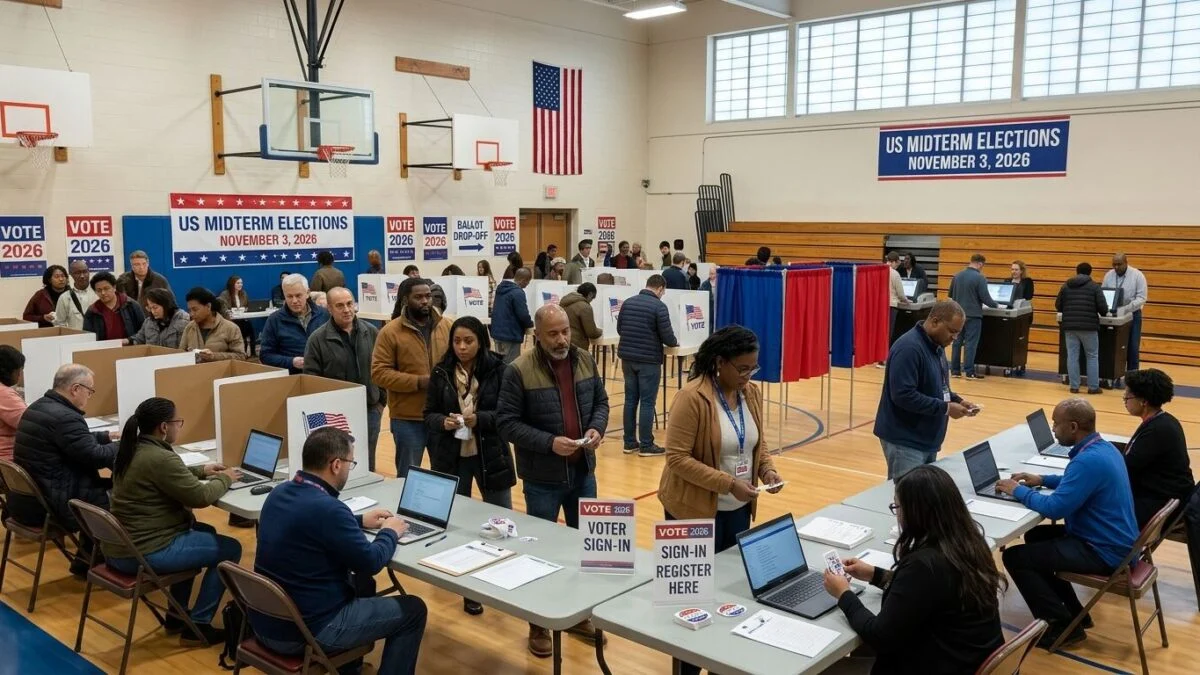
us elections 2026
The US elections 2026 will shape the next half‑decade of American policy. By the end of this article you will understand the major rule changes, why they matter to everyday life, and what actions you can take right now. First, the election calendar has been adjusted to address recent court rulings and demographic shifts. Then, new campaign finance rules and technology upgrades will alter how candidates reach voters. Finally, you will see a clear roadmap for staying engaged before, during, and after the vote.
Every federal election in the United States follows a two‑year cycle, but the 2026 midterms arrive at a moment of heightened partisan tension. Because the 2020 census data triggered a fresh round of redistricting, many districts now look very different from those of 2018. In fact, those boundary changes are already influencing early candidate filings. While incumbents scramble to adjust, newcomers see fresh opportunities in reshaped constituencies. This dynamic makes the 2026 contests especially worth watching.
The political climate leading up to 2026 is marked by debates over climate policy, economic recovery, and the role of the United States abroad. For example, recent legislation on renewable energy incentives has split both parties along regional lines. Meanwhile, the lingering effects of the pandemic continue to shape public health discussions. Although the Supreme Court has issued several rulings on voting rights, many states are still testing new registration procedures. All of these factors combine to create a uniquely complex election environment.
Key issues that voters are likely to prioritize include the cost of living, immigration reform, and the nation’s approach to emerging technologies. While some analysts predict that technology will dominate campaign strategies, others argue that local concerns will still drive turnout. Still, the rise of digital voter outreach tools cannot be ignored. As a result, campaigns are investing heavily in data analytics and social media engagement. This shift may affect how information reaches different demographic groups.
This article will walk you through four main areas: what changed for the 2026 cycle, why those changes matter, who feels the impact most, and what practical steps you can take now. First, we will break down the rule changes that were enacted after the 2020 census. Next, we will discuss the broader implications for policy and governance. Then, we will examine the groups most affected, from young voters to business owners. Finally, we will outline concrete actions you can take to ensure your voice is heard.
What the us elections 2026 changed
New voting timelines and registration rules
States have adopted staggered registration deadlines that differ from the traditional 30‑day cutoff. For instance, several swing states moved the deadline to 45 days before Election Day to accommodate mail‑in ballot processing. Because the Federal Election Commission encouraged earlier verification, many local election offices now offer online pre‑registration for eligible 16‑year‑olds. In addition, the Department of Justice released guidance clarifying that same‑day registration must be available in counties with populations over 100,000. As a result, voters have more time to confirm their eligibility, though they must still watch state‑specific dates.
Redistricting outcomes after the 2020 census
The latest redistricting cycle produced at least a dozen newly drawn congressional districts. While some districts became more competitive, others solidified partisan strongholds. For example, the Midwest saw several urban districts merged with surrounding suburbs, creating mixed‑demographic constituencies. Consequently, candidates now need to balance rural concerns with urban priorities in a single campaign. The changes also prompted legal challenges, many of which are still pending before the courts.
Changes in campaign finance limits
The Bipartisan Campaign Reform Act was amended to raise the contribution ceiling for individual donors to a higher, inflation‑adjusted amount. Super‑PACs face stricter disclosure requirements, meaning donors’ identities will appear on public filings within 48 hours of a contribution. Because the Federal Election Commission introduced real‑time reporting tools, the public can now track spending as it happens. This transparency aims to curb dark money influence, although critics argue it may not be enough. Still, campaigns are adjusting their fundraising strategies to comply with the new rules.
Impact of technology on ballot access
Several states piloted blockchain‑based voter identification systems during the 2024 primaries. While the pilot programs showed promise in reducing fraud, they also raised concerns about accessibility for older voters. In response, the Election Assistance Commission released best‑practice guidelines for integrating digital verification with traditional methods. As a result, many counties now offer both online and in‑person verification options. Voters who prefer a paper trail can still request a printed receipt of their digital check‑in.
Why the us elections 2026 matters
Shifts in congressional balance of power
The 2026 midterms will determine whether one party controls both chambers of Congress. Recent polls suggest a competitive race for several key swing districts, which could tip the balance of the House. In the Senate, a handful of seats will be up for election, and those races often decide the fate of major legislation. Because committee chairs wield significant influence over bill agendas, a shift in control could accelerate or stall policy initiatives. For further details on recent House results, see the NBC News coverage.
Policy direction on climate and economy
Legislators elected in 2026 will inherit a budget that reflects post‑pandemic recovery efforts. If the majority favors aggressive green investment, we may see new subsidies for renewable energy projects. Conversely, a more conservative Congress could prioritize tax cuts for small businesses and reduced regulation. Because climate legislation often requires bipartisan support, the composition of the Senate will be crucial. Voters who care about climate action should watch the stances of candidates in their newly drawn districts. (bbc.co.uk)
International relations and US foreign policy
The outcome of the 2026 elections will influence how the United States engages with allies and rivals. For example, a Congress that backs increased defense spending may push for a larger NATO presence in Eastern Europe. Meanwhile, trade negotiations with Asian partners could shift depending on the prevailing economic philosophy. To understand how these dynamics fit into the broader study of global politics, explore the global politics IB resource. The US foreign policy overview provides context on how election cycles shape diplomatic priorities.
Public trust in democratic institutions
Recent surveys show a decline in confidence toward the electoral process, especially among younger voters. Because the 2026 elections incorporate new transparency measures, they present an opportunity to rebuild trust. However, misinformation campaigns remain a threat, and social media platforms are under pressure to moderate false claims. While some states have introduced voter education programs, their reach varies widely. Strengthening civic education will be essential for maintaining a healthy democracy.
Who the us elections 2026 affects and how
First‑time voters and young adults
Young voters aged 18‑24 are projected to be a decisive demographic in many swing districts. Because many of them are registering for the first time, outreach programs that explain the voting process are especially important. In states that allow same‑day registration, colleges have set up pop‑up booths to assist students. Yet, a lack of clear information about ID requirements still deters some potential voters. Engaging this group early can boost turnout and shape future policy priorities.
Minority communities
Minority groups continue to face barriers such as limited polling locations and language obstacles. The new voting timelines aim to give these communities more time to gather required documents. Several jurisdictions have added multilingual ballot guides, which are available online and at community centers. Because voter suppression lawsuits are still being litigated, legal assistance hotlines have become a vital resource. For a deeper dive into the study of international relations and how they intersect with domestic politics, see what is international relations.
Business owners and investors
Corporate leaders watch the midterms closely, as legislation on taxes, regulation, and trade can affect profitability. For instance, a Senate majority that favors deregulation may ease compliance costs for small manufacturers. Conversely, a Congress that pushes for higher corporate tax rates could impact investment decisions. Because campaign contributions are now more transparent, shareholders can monitor how their companies’ political spending aligns with corporate values. Understanding these dynamics helps business owners plan for potential policy shifts.
State and local governments
State legislatures will see a cascade of changes as new federal policies require implementation at the local level. For example, updated voting technology standards will demand budget allocations for hardware upgrades. Federal grant programs tied to climate initiatives will be redistributed based on the new congressional agenda. Local officials must therefore coordinate closely with state agencies to meet compliance deadlines. This cooperation is essential for ensuring that federal initiatives translate into effective community programs.

What to do now and what may come next after the us elections 2026
How to verify your voter registration
The first step is to check the official state election website for your registration status. Many states now offer a quick lookup tool that confirms eligibility within minutes. Because the Department of Justice recommends using secure, government‑run portals, avoid third‑party services that ask for payment. If you discover an error, you can usually correct it online or by visiting a local election office. For detailed guidance on the voting process, the USA.gov voting page provides step‑by‑step instructions.
Ways to stay informed about candidates
Subscribe to non‑partisan newsletters that summarize candidate platforms and debate highlights. In addition, watch town‑hall meetings that are livestreamed by local news stations. Because social media algorithms can create echo chambers, it helps to follow a mix of sources from across the political spectrum. You can also attend community forums organized by civic groups, which often feature Q&A sessions with candidates. Staying diversified in your information sources reduces the risk of misinformation.
Participating in post‑election civic actions
After the polls close, many organizations launch volunteer drives to monitor ballot counting and report irregularities. If you live in a contested district, consider joining a local election observer team. Contacting your newly elected representatives to express your priorities can influence future legislation. While some citizens feel disengaged after an election, ongoing advocacy keeps elected officials accountable. Remember that civic participation does not end on Election Day.
Looking ahead to the 2028 cycle
The outcomes of the 2026 elections will set the stage for the 2028 presidential race. For example, newly elected senators may become key endorsers for presidential hopefuls. The redistricting maps approved after 2026 will affect House races for the next decade. Because political momentum often carries forward, the strategies that succeed in 2026 will likely be refined for 2028. Keeping an eye on early primary contests can give you a head start on understanding the evolving landscape.

Frequently Asked Questions
When is the deadline to register to vote for the 2026 elections?
Registration deadlines vary by state, but most require you to register at least 30 days before Election Day; some states have extended the deadline to 45 days.
Can I vote early or by mail in 2026?
Yes, many states offer early voting periods and absentee‑by‑mail options, though the exact dates and eligibility rules differ across jurisdictions.
How will the 2026 results affect my taxes?
Legislative changes made after the election could alter tax brackets or credits; consult a qualified tax professional to understand how any new laws might impact you.
Conclusion
The US elections 2026 bring new timelines, updated district maps, and tighter campaign finance rules that together reshape how Americans participate in democracy. Because these changes affect voters, businesses, and even foreign policy, staying informed and proactive is essential. A simple rule of thumb: verify your registration early, follow multiple news sources, and engage with your elected officials after the vote. By doing so, you help ensure that the election outcomes reflect the will of the people.
