
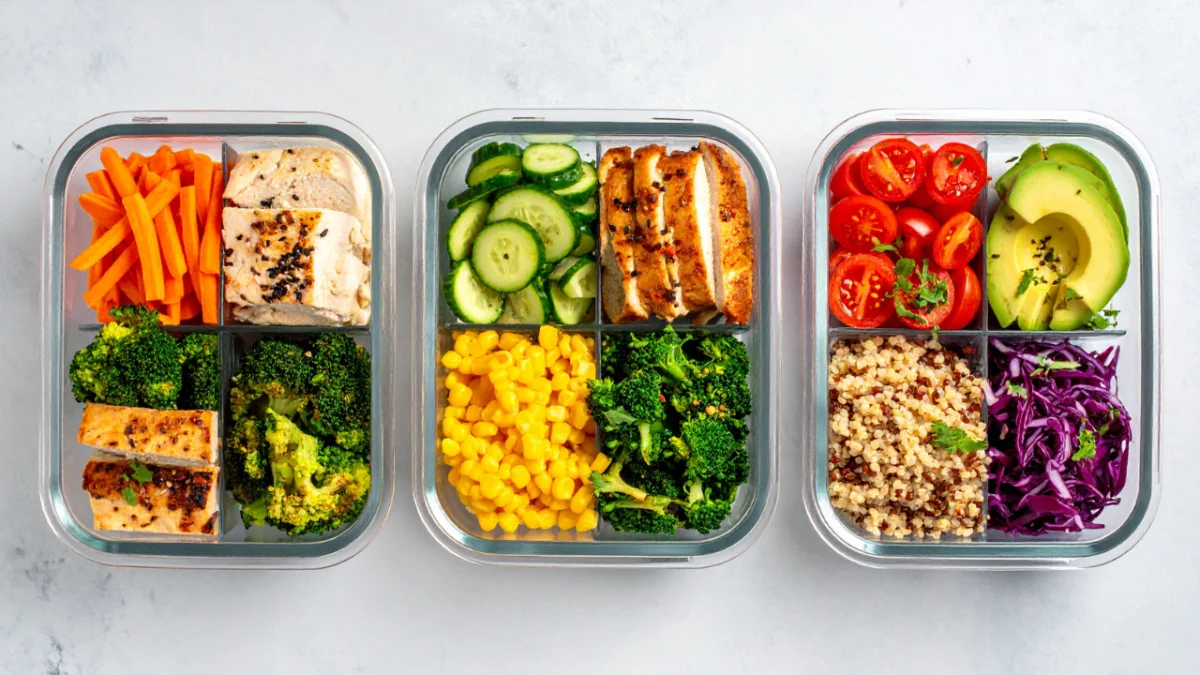
Meal Prep for Beginners: The Smart Way to Eat Healthy Without Feeling Overwhelmed
Meal prep for beginners is not just about cooking food before the week starts. It is about making healthy eating easier when life gets busy. Most people do not stop eating healthy because they lack motivation. They stop because making good food choices every day takes time and mental effort. A simple meal prep system removes that daily pressure and helps you stay consistent without following a strict diet.
If you are new to meal prep, you do not need expensive containers, complicated recipes, or hours in the kitchen. You only need a simple plan that fits your lifestyle. This guide will show you how beginners can build a meal prep routine that saves time, reduces food waste, cuts grocery costs, and makes healthy eating feel natural instead of stressful.
Unlike many beginner guides, this article also explains the hidden reasons why meal prep often fails and how you can avoid those mistakes from day one.
What Is Meal prep for beginners?
Meal prep means preparing meals or meal ingredients before you need them. Instead of deciding what to cook every day, you make those decisions once and enjoy the benefits throughout the week.
Some people prepare complete breakfasts, lunches, and dinners. Others cook only the main ingredients, such as grilled chicken, roasted vegetables, cooked rice, or homemade sauces, and mix them into different meals during the week.
There is no single “correct” way to meal prep. The best method is the one you can follow consistently.
Think of meal prep as creating a personal food system instead of simply cooking in advance. When healthy meals are already waiting for you, making better choices becomes much easier.
Why Most Beginners Quit Meal Prep
Many articles say meal prep is easy, but they rarely explain why so many people give up after a few weeks.
The biggest reason is not cooking skills.
It is unrealistic expectations.
Many beginners spend five or six hours preparing dozens of meals on their first weekend. By the following week, they feel exhausted, bored with eating the same food, and unwilling to repeat the process.
Another common mistake is trying to copy fitness influencers. Their meal plans are designed for their goals, schedules, and calorie needs—not yours.
Successful meal prep starts small.
Preparing just three lunches or two dinners for the week is already a success. Small wins create habits that last much longer than trying to change everything overnight.
The Hidden Benefit: Meal Prep Reduces Decision Fatigue
One benefit that many people overlook is how meal prep protects your mental energy.
Every day you make hundreds of decisions. By evening, your brain becomes tired. This is known as decision fatigue.
When that happens, ordering fast food or grabbing unhealthy snacks feels much easier than cooking from scratch.
Meal prep removes many of those daily decisions.
Instead of asking yourself what to eat, your meal is already prepared. That simple change reduces stress, saves time, and helps you stay consistent with healthy eating habits.
In other words, meal prep is not just about food. It is about making healthy choices automatic.
Why Meal Prep Is Worth It for Beginners
The benefits of meal prep go far beyond convenience.
Preparing meals in advance helps you eat more balanced foods because you are less likely to rely on processed meals or takeout. It also helps you control portion sizes without constantly counting calories.
Meal prep can also reduce grocery spending. Shopping with a plan means you buy only what you need, which lowers food waste and saves money over time.
Many beginners notice another unexpected benefit. They spend less time thinking about food and more time focusing on work, family, studies, or hobbies.
Even preparing meals for only three days each week can make your routine feel more organized.
Choose a Meal Prep Style That Matches Your Lifestyle
One reason meal prep feels difficult is that people think there is only one way to do it.
In reality, different lifestyles need different systems.
A college student may prepare affordable lunches for classes.
An office worker may focus on quick breakfasts and packed lunches.
A busy parent may cook larger family meals and freeze extra portions.
Someone working from home may prepare healthy snacks to avoid unnecessary eating during the day.
Instead of copying someone else’s routine, build a system around your own schedule.
Meal prep works best when it fits your life—not when your life has to fit meal prep.
Start Small Instead of Preparing an Entire Week
The biggest mistake beginners make is preparing seven days of meals immediately.
A better approach is to prepare food for just two or three days.
This gives you time to learn which recipes stay fresh, which portions satisfy your hunger, and how much food your household actually eats.
Once you become comfortable, you can gradually prepare more meals.
Remember, consistency is more important than perfection.
A simple plan that you follow every week is far more valuable than a complicated plan you abandon after one weekend.
The 80/20 Meal Prep Rule That Makes Success Easier
One of the smartest strategies for beginners is the 80/20 Meal Prep Rule.
Instead of preparing every meal for the entire week, prepare about 80% of your meals and leave the remaining 20% flexible.
Why?
Life is unpredictable. You may get invited to dinner, order food with friends, travel unexpectedly, or simply crave something different.
If every meal is already planned, you may feel trapped. That feeling often causes people to quit meal prep completely.
Leaving room for flexibility makes the habit easier to maintain. Healthy eating should support your lifestyle, not control it.
For example, you could prepare weekday breakfasts and lunches while leaving weekend dinners open. This approach reduces stress and keeps meal prep enjoyable.
Essential Foods That Make Meal Prep Easy
Beginners often think they need complicated recipes.
In reality, the easiest meal prep starts with versatile ingredients that can be used in different meals.
Lean proteins such as chicken breast, turkey, eggs, tuna, tofu, and beans work well because they can be paired with many side dishes.
Whole grains like brown rice, quinoa, oats, and whole-wheat pasta provide lasting energy and store well in the refrigerator.
Vegetables such as broccoli, carrots, cucumbers, bell peppers, spinach, green beans, and zucchini stay fresh for several days when stored properly.
Healthy fats, including avocados, nuts, seeds, olive oil, and natural peanut butter, help create balanced meals that keep you full longer.
Fresh fruits like apples, oranges, berries, bananas, and grapes are excellent grab-and-go snacks that require little preparation.
Instead of buying dozens of ingredients, choose a small group of foods that you genuinely enjoy eating.
Build Meals Instead of Following Recipes
One mistake many beginners make is relying on complicated recipes for every meal.
A better strategy is to build meals using simple combinations.
Think of every meal as four building blocks.
Start with a protein source.
Add a whole grain or another healthy carbohydrate.
Include colorful vegetables.
Finish with a healthy fat or flavorful sauce.
Using this method, the same cooked chicken can become a rice bowl one day, a salad the next, and a wrap the day after.
This keeps meals interesting without requiring extra cooking.
The Two-Hour Meal Prep Method
Many people avoid meal prep because they believe it takes an entire day.
It doesn’t.
A well-planned session can often be completed in about two hours.
Begin by washing and cutting vegetables while the oven is preheating.
Cook proteins and grains at the same time instead of one after another.
As food finishes cooking, allow it to cool before placing it into storage containers.
Finally, organize meals by the days you plan to eat them.
Working in parallel instead of one task at a time saves a surprising amount of time.
Meal Prep Without Expensive Equipment
Social media often makes meal prep look expensive.
You do not need designer containers or high-end kitchen gadgets to get started.
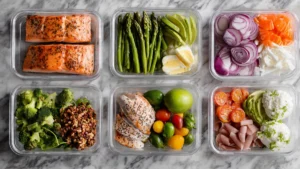
Simple reusable containers with tight-fitting lids work perfectly.
Regular measuring cups help with portion sizes.
A sharp knife, a cutting board, baking trays, and a few cooking pots are enough for most beginners.
If your budget is limited, start with what you already have.
Developing the habit matters much more than buying new equipment.
How to Keep Meal Prep Interesting
Eating the exact same meal every day is one of the fastest ways to lose motivation.
Instead of preparing seven identical meals, prepare ingredients that can be mixed into different combinations.
Grilled chicken can become tacos, wraps, salads, grain bowls, or pasta dishes.
Roasted vegetables can be added to soups, sandwiches, omelets, or rice bowls.
Changing sauces and seasonings also creates variety without additional cooking.
A simple change from lemon herbs to garlic, barbecue, curry, or Mediterranean spices can make the same ingredients taste completely different.
Small changes help prevent meal boredom while keeping preparation simple.
Save Money Without Sacrificing Nutrition
Meal prep is one of the easiest ways to reduce food expenses.
Planning meals before grocery shopping helps prevent impulse purchases.
Buying seasonal produce is often cheaper and fresher.
Frozen vegetables are another smart option because they last longer and contain valuable nutrients.
Cooking larger portions of affordable foods like beans, lentils, oats, rice, and eggs can lower weekly grocery bills while providing balanced nutrition.
Most importantly, avoid buying ingredients without a plan.
Food that ends up in the trash is money wasted.
Smart meal prep begins before you even enter the grocery store.
Common Meal Prep Mistakes Beginners Should Avoid
Every beginner makes mistakes, but learning from them early can save time, money, and frustration.
One of the biggest mistakes is preparing too much food. It may seem productive, but cooking seven days’ worth of meals can lead to wasted food if you get tired of eating the same dishes. Start with two or three days of meals and adjust as you learn what works for you.
Another common mistake is choosing recipes that are too complicated. If a meal takes an hour to prepare, you are less likely to make it every week. Simple recipes are easier to repeat, and consistency is what creates results.
Many beginners also forget to check what is already in their kitchen before shopping. This often leads to buying duplicate ingredients and increasing food waste.
Skipping labels is another problem. If you prepare several meals, write the date on each container. This helps you eat older meals first and reduces the chance of food going bad.
Finally, do not expect perfection. Missing one meal or one week does not mean you have failed. Meal prep is a long-term habit, not a short-term challenge.
Food Safety and Storage Tips
Preparing meals is only useful if they stay safe to eat.
Allow hot food to cool slightly before placing it in airtight containers, but do not leave cooked food at room temperature for more than two hours.
Store meals in the refrigerator if you plan to eat them within three to four days. If you are preparing food for later in the week, freezing is usually the better option.
Keep raw meat separate from cooked food to prevent cross-contamination. Wash cutting boards, knives, and your hands after handling raw meat, poultry, or seafood.
When reheating meals, make sure they are heated all the way through. If a meal smells unusual or looks different than expected, it is safer to throw it away.
Good meal prep is not only about convenience—it is also about food safety.
How to Turn Meal Prep Into a Lasting Habit
The goal is not to meal prep once.
The goal is to make it part of your routine.
Choose one consistent day each week for grocery shopping and meal preparation. Keeping the same schedule helps build a habit over time.
Avoid trying to improve everything at once. Instead, make one small improvement each week. You might start by preparing breakfasts, then add lunches, and later prepare healthy snacks.
Celebrate progress instead of perfection.
Even preparing a few healthy meals each week is better than doing nothing.
Remember that successful meal prep is not measured by perfectly organized containers. It is measured by how much easier it makes your daily life.
Frequently Asked Questions
Is meal prep good for beginners?
Yes. Meal prep is one of the easiest ways for beginners to eat healthier, save time, reduce stress, and avoid last-minute unhealthy food choices.
How many days should beginners meal prep for?
Most beginners should prepare meals for two to four days. This keeps food fresh while allowing you to learn what meals you enjoy.
Do I need expensive containers for meal prep?
No. Simple airtight reusable containers work well. The quality of your planning is much more important than the price of your containers.
Can meal prep help save money?
Yes. Planning meals before shopping reduces impulse buying, helps you use ingredients efficiently, and lowers food waste, which can significantly reduce grocery costs.
What foods are best for beginner meal prep?
Easy options include chicken, eggs, beans, rice, oats, pasta, potatoes, fresh vegetables, frozen vegetables, fruits, yogurt, and nuts. These foods are affordable, versatile, and easy to prepare.
Conclusion
Meal prep for beginners is not about creating a perfect kitchen routine. It is about making healthy eating easier than unhealthy eating.
The most successful people are not the ones who spend an entire Sunday cooking dozens of meals. They are the ones who build a simple system they can repeat every week.
Start with a few meals, keep your recipes simple, and focus on consistency rather than perfection. As your confidence grows, your meal prep routine will naturally become more efficient.
Over time, this small weekly habit can save hours of cooking, reduce grocery expenses, improve your nutrition, and remove the daily stress of deciding what to eat.
The best meal prep plan is not the most complicated one. It is the one you will actually follow.
| URL | |
|---|---|
| USDA MyPlate | https://www.myplate.gov/ |
| USDA MyPlate Kitchen | https://www.myplate.gov/myplate-kitchen |
| USDA FoodKeeper | https://www.foodsafety.gov/keep-food-safe/foodkeeper-app |
| U.S. Food & Drug Administration (FDA) Food Safety | https://www.fda.gov/food |
| FDA Safe Food Handling | https://www.fda.gov/food/buy-store-serve-safe-food |
| Foodsafety.gov | https://www.foodsafety.gov/ |
| Centers for Disease Control and Prevention (CDC) Nutrition | https://www.cdc.gov/nutrition/ |
| CDC Healthy Weight | https://www.cdc.gov/healthy-weight-growth/ |
| Academy of Nutrition and Dietetics | https://www.eatright.org/ |
| Harvard T.H. Chan School of Public Health – The Nutrition Source | https://nutritionsource.hsph.harvard.edu/ |

[…] reading: How Is Cricket Played: Ultimate Rules & Beginner’s · Meal Prep for Beginners: Easy Plans to Save Time & Money · AI Agent vs Chatbot: 7 Key Differences […]