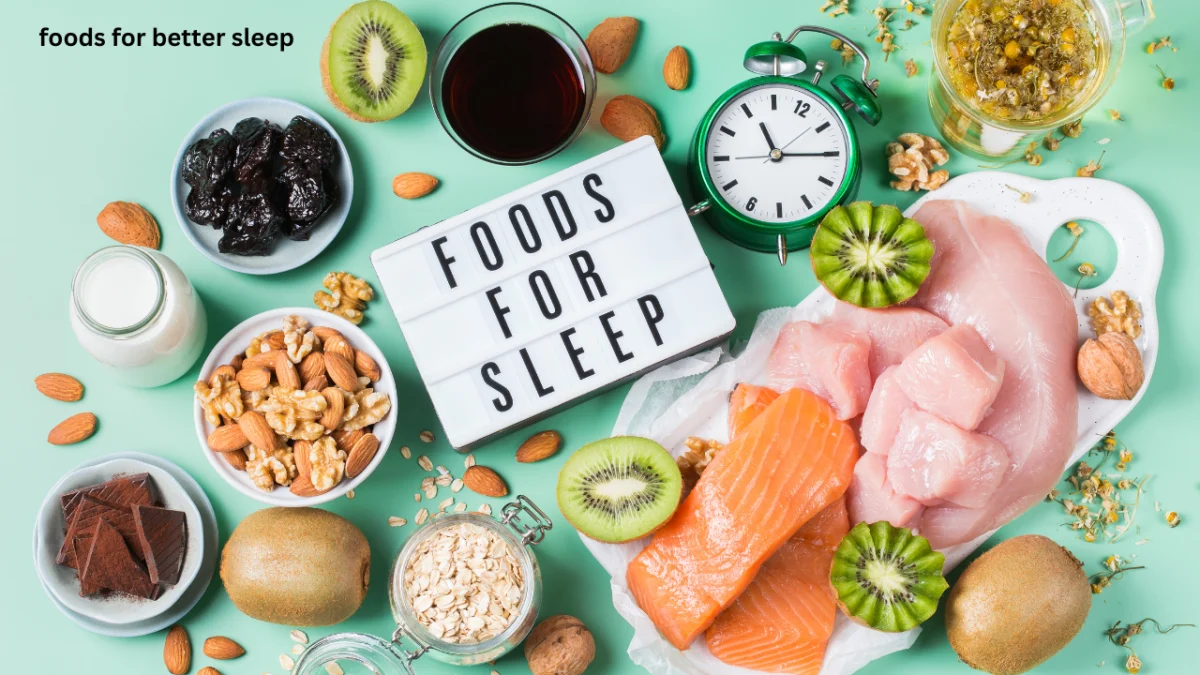
Foods for Better Sleep: Science-Backed Foods That Help You Sleep Naturally
Getting enough sleep is one of the most important parts of a healthy life. Many people look for foods for better sleep because what you eat can affect how quickly you fall asleep and how well you rest during the night. A balanced diet with the right nutrients may help your body relax, support natural sleep hormones, and improve overall sleep quality.
Sleep is not only about feeling rested in the morning. It also supports your brain, heart, immune system, and mental health. Poor sleep can lead to tiredness, trouble focusing, mood changes, and a higher risk of long-term health problems. While stress, screen time, and lifestyle all play a role, healthy eating habits can also make a real difference.
Some foods contain nutrients that support your body’s natural sleep cycle. These include magnesium, tryptophan, melatonin, calcium, and vitamin B6. Together, these nutrients help your body produce hormones that promote relaxation and healthy sleep. Choosing the right evening meal or bedtime snack may improve your chances of getting a deeper and more refreshing night’s sleep.

Why Food Can Affect Your Sleep
The food you eat provides more than energy. It also supplies nutrients that help your brain and nervous system work properly. Certain vitamins, minerals, and amino acids help control the chemicals that regulate your sleep and wake cycle.
Your body follows a natural internal clock called the circadian rhythm. This clock tells you when to feel awake and when to feel sleepy. Healthy eating patterns can support this rhythm, while poor food choices may disturb it.
Heavy meals late at night, sugary snacks, and too much caffeine may keep your body active when it should be preparing for rest. On the other hand, nutrient-rich foods may help calm the nervous system and prepare the body for sleep naturally.
Research also shows that people who regularly eat fruits, vegetables, whole grains, lean protein, and healthy fats often report better sleep quality than those who eat highly processed foods. A healthy diet supports both physical health and healthy sleep patterns.
How Your Body Controls Sleep
Your brain uses several natural chemicals to manage sleep. These chemicals work together to help you fall asleep, stay asleep, and wake up feeling refreshed.
Melatonin is one of the most important sleep hormones. Your brain releases melatonin when it becomes dark outside. This hormone tells your body that it is time to sleep. Some foods naturally contain melatonin or support its production.
Another important compound is serotonin. It helps regulate mood and also serves as a building block for melatonin. Your body makes serotonin from an amino acid called tryptophan, which comes from protein-rich foods.
Magnesium also plays a major role in healthy sleep. It helps relax muscles, supports nerve function, and may reduce stress before bedtime. Calcium works with magnesium to help your brain use tryptophan more effectively.
Vitamin B6 is another valuable nutrient because it helps your body convert tryptophan into serotonin. When these nutrients work together, they support a healthy sleep cycle and may improve sleep quality over time.
Nutrients That Support Better Sleep
A healthy sleep-friendly diet is not based on one single food. Instead, it combines different nutrients that work together inside the body.
Magnesium helps relax muscles and supports hundreds of body functions. Foods such as pumpkin seeds, almonds, spinach, and black beans are excellent natural sources of magnesium.
Tryptophan is found in foods like turkey, chicken, eggs, dairy products, and seeds. This amino acid supports the production of serotonin and melatonin.
Melatonin is naturally present in foods such as tart cherries, walnuts, tomatoes, and pistachios. While food contains much smaller amounts than supplements, regular intake may still support healthy sleep.
Calcium is important for muscle function and healthy nerve signaling. Dairy products, yogurt, cheese, leafy greens, and fortified foods provide this essential mineral.
Vitamin B6 helps support normal brain function and healthy sleep hormone production. Bananas, potatoes, salmon, and chickpeas are good dietary sources.
When these nutrients become part of a balanced diet, they may help improve both sleep duration and sleep quality.
Best Foods for Better Sleep
Many everyday foods contain nutrients that support healthy sleep. Eating these foods regularly may help your body relax before bedtime.
Kiwi is one of the most researched fruits for sleep. It contains antioxidants, vitamin C, and serotonin. Some studies suggest that eating kiwi before bed may help people fall asleep faster and sleep longer.
Tart cherries are another excellent choice. They naturally contain melatonin and antioxidants. Drinking a small serving of tart cherry juice in the evening may support healthy sleep in some adults.
Almonds are rich in magnesium and healthy fats. They may help reduce muscle tension and support relaxation before bedtime. A small handful of almonds can be a healthy evening snack.
Walnuts provide melatonin, omega-3 fatty acids, and magnesium. These nutrients work together to support brain health and may help improve sleep quality.
Bananas are known for their potassium and vitamin B6 content. They also contain magnesium and natural carbohydrates that may help the body relax after a busy day.
Kiwi: A Small Fruit with Big Sleep Benefits
Kiwi is often considered one of the best fruits for healthy sleep. It is rich in vitamin C, vitamin E, folate, potassium, and antioxidants. These nutrients support overall health while also helping the body prepare for rest.
Kiwi also contains serotonin, which plays an important role in regulating sleep. Healthy serotonin levels help the brain produce melatonin at night. This natural process supports a healthy sleep cycle without relying on medication.
Many people choose to eat one or two kiwis about an hour before bedtime. Combined with a balanced diet and healthy sleep habits, kiwi may become part of a natural bedtime routine.

Tart Cherries: A Natural Source of Melatonin
Tart cherries are widely known for their natural melatonin content. Unlike sweet cherries, tart cherries have been studied more often for their potential sleep benefits.
Melatonin helps your body recognize when it is time to sleep. Increasing melatonin naturally through food may support better sleep quality for some people.
Tart cherries also contain plant compounds with antioxidant and anti-inflammatory properties. These nutrients support overall health while helping the body recover during sleep.
Whether eaten fresh, frozen, or as unsweetened tart cherry juice, they can be a healthy addition to an evening diet when consumed in moderation.
Almonds: A Magnesium-Rich Snack for Better Sleep
Almonds are one of the best foods for better sleep because they are packed with magnesium. This mineral helps relax muscles and supports the nervous system. It also plays a role in reducing stress, which may make it easier to fall asleep.
Almonds also provide healthy fats, protein, and vitamin E. These nutrients support heart health and help keep you full during the night. Eating a small handful of unsalted almonds about one hour before bed can be a healthy bedtime snack.
Regularly including almonds in a balanced diet may support better sleep quality over time. They work best when combined with healthy sleep habits and a consistent bedtime routine.
Walnuts Support Natural Sleep Hormones
Walnuts are another excellent choice for people who want to sleep better naturally. They contain melatonin, magnesium, and omega-3 fatty acids. These nutrients support brain function and healthy sleep patterns.
Omega-3 fats may also help regulate serotonin levels. Since serotonin is needed to produce melatonin, walnuts may indirectly support your body’s natural sleep cycle.
Walnuts are easy to add to yogurt, oatmeal, or salads. A small serving in the evening can provide valuable nutrients without feeling too heavy before bedtime.
Bananas Help Relax the Body
Bananas are often recommended as a natural evening snack. They contain magnesium, potassium, and vitamin B6. These nutrients help relax muscles and support healthy nerve function.
Vitamin B6 helps the body produce serotonin. Serotonin later converts into melatonin, which signals your body that it is time to sleep.
Bananas also contain natural carbohydrates. These carbohydrates help tryptophan enter the brain more efficiently. This process supports relaxation and may improve sleep quality.
Oatmeal Is More Than a Breakfast Food
Many people think oatmeal is only for breakfast. However, it can also be a healthy evening meal. Oats provide complex carbohydrates that support steady energy levels without causing a rapid rise in blood sugar.
Oatmeal also contains magnesium, iron, and small amounts of melatonin. Warm oatmeal may help create a comforting bedtime routine while providing nutrients that support healthy sleep.
Adding sliced bananas, walnuts, or a small amount of milk can make oatmeal an even better bedtime option.
Fatty Fish May Improve Sleep Quality
Fatty fish such as salmon, tuna, sardines, and mackerel provide vitamin D and omega-3 fatty acids. These nutrients are important for overall health and may also support better sleep.
Some research suggests that vitamin D deficiency is linked to poor sleep quality. Omega-3 fats may also help regulate serotonin production, supporting a healthy sleep cycle.
Eating fatty fish a few times each week can benefit both heart health and sleep health.
Turkey Is Rich in Tryptophan
Turkey is well known for containing tryptophan. This essential amino acid helps your body produce serotonin and melatonin.
Turkey is also high in lean protein. Protein helps keep you satisfied throughout the evening without causing major spikes in blood sugar.
A moderate serving of turkey during dinner may support relaxation before bedtime, especially when paired with whole grains and vegetables.
Pumpkin Seeds Provide Sleep-Friendly Nutrients
Pumpkin seeds are one of the richest natural sources of magnesium. They also contain zinc, healthy fats, and tryptophan.
These nutrients work together to support muscle relaxation, brain function, and healthy hormone production.
A small serving of pumpkin seeds after dinner can be an easy way to increase magnesium intake naturally.
Dairy Foods May Support Better Sleep
Milk, yogurt, and cheese contain calcium and protein. Calcium helps the brain use tryptophan to produce melatonin.
Warm milk has long been considered a comforting bedtime drink. While it is not a cure for insomnia, it may help some people relax before sleep.
Plain yogurt is another healthy option. It provides calcium, protein, and probiotics that support digestive health. A healthy digestive system may also contribute to better sleep.
Chamomile Tea for Evening Relaxation
Chamomile tea is one of the most popular herbal drinks before bedtime. It naturally contains plant compounds that may promote relaxation.
Unlike coffee or black tea, chamomile tea is naturally caffeine-free. This makes it a better choice during the evening.
Many people enjoy drinking a warm cup of chamomile tea about 30 to 60 minutes before bed as part of their nightly routine.
Best Drinks for Better Sleep
The drinks you choose in the evening can affect how well you sleep. Some beverages support relaxation, while others may keep you awake.
Warm milk remains one of the most common bedtime drinks because it contains calcium and tryptophan. Herbal teas such as chamomile, lemon balm, and passionflower are also popular choices.
Unsweetened tart cherry juice may help increase natural melatonin levels. Drinking a small glass in the evening may support a healthier sleep cycle.
Water is also important. Staying hydrated supports overall health, but drinking too much water immediately before bed may increase nighttime bathroom trips and interrupt sleep.

Foods to Avoid Before Bed
Just as some foods promote sleep, others may reduce sleep quality.
Caffeinated drinks such as coffee, energy drinks, and some soft drinks can keep the brain alert for several hours. Many people are sensitive to caffeine even if they drink it in the afternoon.
Sugary desserts may cause blood sugar levels to rise and fall quickly. This can lead to restlessness during the night.
Spicy foods may trigger heartburn or acid reflux. These symptoms often become worse when lying down after eating.
Large, heavy meals close to bedtime may slow digestion and make it harder to fall asleep comfortably.
Alcohol may make you feel sleepy at first, but it often reduces deep sleep and causes more nighttime awakenings.
The Importance of Meal Timing
When you eat can be just as important as what you eat.
Experts generally recommend finishing large meals two to three hours before bedtime. This gives your digestive system enough time to process food.
If you feel hungry later in the evening, choose a light snack instead of a heavy meal. Foods such as yogurt, a banana, a few almonds, or oatmeal can satisfy hunger without putting extra stress on digestion.
Eating at regular times each day also supports your body’s internal clock. Consistent meal timing works alongside a consistent sleep schedule to improve overall sleep quality.
Healthy Habits That Work with Sleep-Friendly Foods
Eating the right foods is only one part of getting better sleep. Healthy daily habits also help your body follow a regular sleep schedule. When good nutrition and healthy routines work together, the results are often better than relying on food alone.
Try to go to bed and wake up at the same time every day. A consistent sleep schedule helps your body maintain a healthy circadian rhythm. Over time, your body naturally learns when it is time to sleep and when it is time to wake up.
Reduce screen time before bed whenever possible. The blue light from phones, tablets, and computers can reduce melatonin production. Reading a book, listening to calm music, or practicing deep breathing may help your body relax before bedtime.
Regular physical activity also supports better sleep. Even a 30-minute walk during the day can improve sleep quality. However, intense exercise right before bed may make it harder for some people to fall asleep.
Managing stress is another important step. Meditation, gentle stretching, and relaxation exercises may reduce anxiety and prepare your body for a restful night.
Common Mistakes That Can Hurt Your Sleep
Many people eat healthy foods but still struggle with poor sleep because of everyday habits.
One common mistake is eating a large meal just before bedtime. Heavy meals can slow digestion and make it uncomfortable to lie down.
Another mistake is drinking too much caffeine during the afternoon or evening. Caffeine stays in the body for several hours and may delay sleep even if you do not feel alert.
Many people also rely on sugary snacks late at night. While these foods may provide quick energy, they often lead to blood sugar changes that disturb sleep.
Using alcohol as a sleep aid is another mistake. Although alcohol may help you fall asleep faster, it often reduces deep sleep and increases nighttime awakenings.
Ignoring a regular bedtime schedule can also affect sleep quality. Your body performs best when it follows a consistent daily routine.
Can Foods Alone Cure Insomnia?
Many people search for natural ways to sleep better. Healthy foods can certainly support better sleep, but they are not a cure for chronic insomnia.
Sleep problems may be caused by stress, anxiety, depression, sleep apnea, certain medications, or other medical conditions. In these situations, improving your diet alone may not completely solve the problem.
If you have difficulty sleeping for several weeks, wake up frequently during the night, or feel tired every day despite getting enough time in bed, it is important to speak with a qualified healthcare professional. Early evaluation can help identify the underlying cause and provide the right treatment.
Healthy eating should be viewed as one part of an overall sleep improvement plan rather than a replacement for medical care.
What Science Says About Foods for Better Sleep
Researchers continue to study how nutrition affects sleep quality. Current evidence suggests that diets rich in fruits, vegetables, whole grains, nuts, seeds, lean proteins, and healthy fats are associated with better sleep health.
Several studies have found that foods containing melatonin, magnesium, and tryptophan may support healthy sleep patterns in some people. However, researchers also agree that no single food guarantees perfect sleep.
Experts recommend focusing on an overall healthy dietary pattern instead of searching for one “superfood.” A balanced lifestyle that includes nutritious meals, regular exercise, stress management, and consistent sleep habits offers the greatest long-term benefits.
Frequently Asked Questions
What are the best foods for better sleep?
Some of the best foods for better sleep include kiwi, tart cherries, almonds, walnuts, bananas, oatmeal, turkey, pumpkin seeds, yogurt, and fatty fish. These foods contain nutrients such as magnesium, melatonin, calcium, and tryptophan that support healthy sleep.
Which fruit helps you sleep faster?
Kiwi and tart cherries are among the most researched fruits for improving sleep. They contain natural compounds that may support melatonin production and promote better sleep quality.
Is it okay to eat before bed?
Yes. A light, healthy snack about one to two hours before bedtime may help some people sleep better. Avoid large meals, spicy foods, and high-sugar snacks close to bedtime.
What foods should I avoid before sleeping?
Avoid caffeine, energy drinks, alcohol, sugary desserts, spicy meals, and heavy fried foods before bedtime because they may interfere with healthy sleep.
Does magnesium help with sleep?
Magnesium supports muscle relaxation and healthy nerve function. Foods rich in magnesium, such as almonds, pumpkin seeds, spinach, and whole grains, may contribute to better sleep as part of a balanced diet.
Can drinking milk help you sleep?
Warm milk contains calcium and tryptophan, which support the body’s natural production of melatonin. While it is not a treatment for insomnia, it may help some people relax before bedtime.
How long does it take for diet changes to improve sleep?
Some people notice improvements within a few days, while others may need several weeks of consistent healthy eating and good sleep habits before experiencing better sleep quality.

Final Thoughts
Choosing the right foods for better sleep can be a simple and natural way to support your overall health. Foods such as kiwi, tart cherries, almonds, walnuts, bananas, oatmeal, turkey, pumpkin seeds, yogurt, and fatty fish provide nutrients that help your body relax and support its natural sleep cycle.
Healthy sleep does not depend on one food alone. It is the result of consistent healthy habits, balanced nutrition, regular physical activity, and a stable bedtime routine. Small changes made every day often lead to lasting improvements over time.
If sleep problems continue despite making healthy lifestyle changes, consult a healthcare professional for a proper evaluation. Addressing the root cause is the best way to improve both your sleep quality and your long-term health.
Research Sources
- National Institutes of Health (NIH): https://www.nih.gov/
- National Center for Biotechnology Information (NCBI): https://www.ncbi.nlm.nih.gov/
- Sleep Foundation: https://www.sleepfoundation.org/
- Harvard Health Publishing: https://www.health.harvard.edu/
- Mayo Clinic: https://www.mayoclinic.org/
- Centers for Disease Control and Prevention (CDC): https://www.cdc.gov/sleep/
- American Academy of Sleep Medicine (AASM): https://aasm.org/