

What Is a Startup? A Complete Guide to Startups
Maybe someone notices a problem that people face every day. Maybe they discover a faster way to do something. Or perhaps they create a product that does not exist yet. When that idea is turned into a business designed for rapid growth, it may become a startup. But what is a startup, exactly? A startup is more than a new company. It is usually a young business built around an idea, product, service, or technology that aims to solve a specific problem and grow quickly. Startups often operate with limited resources while testing their ideas, finding customers, improving their products, and searching for a business model that can scale.
This guide explains how startups work, what makes them different from traditional businesses, how they are funded, why some succeed while others fail, and what entrepreneurs should know before starting one.

What Is a Startup?
A startup is a newly established business created to develop and test a product or service while searching for a repeatable and scalable business model.
The word “startup” does not simply mean a business that has recently opened. A new local restaurant, for example, is a new business, but it may not be considered a startup in the traditional sense. A technology company developing an online platform that could serve millions of customers is much closer to the typical startup model.
The biggest difference is often growth potential.
Startups usually aim to build something that can expand beyond a small local market. They may use technology, innovative products, new business models, or unique services to reach a large number of customers.
For example, imagine a team creates an online platform that helps small businesses manage their invoices. The company may start with only a few customers. If the platform works well, the same product could potentially serve thousands or even millions of businesses.
That ability to grow without increasing costs at the same rate is one of the key ideas behind the startup model.
How Does a Startup Work?
A startup generally begins with a problem or opportunity.
Founders identify something that could be improved and then develop an idea to address it. At this stage, there may be many unanswered questions.
Will customers want the product?
Will they pay for it?
Can the company make money?
Can the product compete with existing alternatives?
A startup has to find answers to these questions while operating under uncertainty.
The process often begins with market research. Founders study potential customers, competitors, industry trends, and existing solutions. They then create an initial version of their product or service.
This early version is often called a minimum viable product, or MVP.
The goal of an MVP is not to create a perfect product. Instead, it allows founders to test their main idea with real users and collect feedback.
For instance, a startup planning to build a complicated mobile application might first create a simple version with only its most important feature. If users find it useful, the company can continue improving it. If users do not want it, the founders can change direction before spending too much money.
This process of testing, learning, and improving is central to many startups.
What Makes a Business a Startup?
Several characteristics can help distinguish startups from other new businesses.
1. A Focus on Growth
Growth is one of the strongest characteristics of a startup.
Traditional small businesses may focus on serving a specific community or geographic area. A startup often seeks a much larger market.
For example, a local bakery might successfully serve customers in one city. A food delivery platform, however, may be designed from the beginning to expand into many cities or countries.
The growth strategy depends on the industry, product, available resources, and business model.
2. Innovation
Many startups are built around innovation.
Innovation does not always mean inventing completely new technology. It can also involve finding a better, cheaper, faster, or easier way to solve an existing problem.
A startup might improve an old process rather than create something completely new.
For example, online banking did not create the concept of banking. Instead, it changed how many people access financial services.
3. Scalability
Scalability means a business can grow without its costs increasing at the same rate.
This is particularly important for startups.
Consider two businesses.
The first provides a service that requires one employee for every customer. If the company wants to double its customers, it may need almost twice as many employees.
The second provides software that can serve thousands of additional customers without requiring the same increase in staff.
The second model may have stronger scalability.
Technology often makes scalability easier, which is why many well-known startups have been technology companies.
4. Uncertainty
Startups usually operate with a high level of uncertainty.
Founders may not know exactly who their best customers will be, which pricing strategy will work, or whether their product will gain enough demand.
This uncertainty creates risk, but it can also create opportunities.
Successful founders typically use customer feedback, market research, experiments, and financial data to reduce uncertainty over time.
5. A Strong Problem-Solving Focus
Many successful startups begin with a clear problem.
Instead of asking only, “What product can we create?” founders often ask:
“What problem do people need solved?”
This difference can have a major impact.
A product may be technically impressive but still fail if customers do not need it. On the other hand, a simple solution to a serious problem can become a strong business opportunity.
Startup vs Small Business
People often use the terms startup and small business interchangeably, but they are not always the same.
Both can begin with one person or a small team. Both can have limited capital. Both can face competition and financial risks.
The major difference is usually the intended growth model.
A small business may be created to generate stable income for its owners. It may serve a specific location and grow gradually.
A startup is more likely to pursue rapid growth and a large market opportunity.
| Feature | Startup | Small Business |
|---|---|---|
| Main goal | Rapid growth and scalability | Sustainable income and stability |
| Market | Often large or global | Often local or regional |
| Innovation | Frequently important | Not always required |
| Funding | May seek outside investment | Often self-funded or traditionally financed |
| Growth speed | Usually ambitious | Often gradual |
| Business model | Designed for scalability | Designed around sustainable operations |
However, this does not mean one type of business is better than the other.
A profitable small business can be highly successful without becoming a startup. Likewise, a startup can pursue aggressive growth but still fail to build a sustainable company.
The right model depends on the founder’s goals, market, resources, and opportunity.
Why Do People Start Startups?
People create startups for many different reasons.
Some founders want to solve a problem they personally experienced. Others identify an opportunity in a growing industry.
Some are motivated by independence and want to build their own company. Others want to introduce a new technology or product to the market.
Financial opportunity can also be a motivation.
However, starting a startup is rarely an easy path to making money. Founders often work long hours, deal with uncertainty, compete for customers, and make decisions without having complete information.
The motivation behind a startup matters because building a company can take years.
A strong purpose can help founders remain focused when early results are disappointing.
The Role of the Founder
The founder is the person who starts and leads a startup, either alone or with one or more co-founders.
Founders often begin by developing the original idea, researching the market, creating the first product, and finding early customers.
As the startup grows, their responsibilities may change.
A founder who initially handles product development, marketing, sales, and customer support may eventually build separate teams for each area.
Good founders do not necessarily need to be experts at everything.
Instead, they need to recognize their weaknesses and bring in people with the skills required to fill important gaps.
A strong founding team may combine different abilities, such as technology, product development, finance, marketing, sales, and operations.
What Is a Startup Business Model?
A startup business model explains how a company creates value, delivers that value to customers, and makes money from it.
Having a great product is not enough. A startup also needs a practical way to generate revenue and eventually become financially sustainable.
For example, a software startup might charge customers a monthly subscription. An online marketplace might take a small fee from every transaction. An advertising platform may offer its service for free while earning money from advertisers.
Different startups can use completely different business models.
Some common models include subscription services, advertising, transaction fees, direct sales, licensing, commissions, and freemium products.
The right model depends on the target audience, product, competition, operating costs, and market size.
Subscription Model
In a subscription model, customers pay regularly to continue using a product or service.
Payments may be monthly or annually.
Software companies commonly use this approach because recurring revenue can make it easier to forecast future income.
Freemium Model
A freemium startup provides a basic version of its product for free while charging for advanced features.
The free product attracts users, while premium features create revenue.
This model can work well for digital products because adding another user may cost relatively little compared with traditional physical businesses.
Marketplace Model
A marketplace connects buyers and sellers.
The startup may earn money by charging a percentage of each transaction.
Online marketplaces can become highly scalable because the platform does not necessarily need to own every product being sold.
Advertising Model
Some startups offer free content, tools, or platforms and generate revenue through advertising.
The company may earn money based on advertising impressions, clicks, conversions, or other arrangements.
The challenge is building a sufficiently large and engaged audience to make the model financially viable.
What Is a Startup MVP?
A minimum viable product (MVP) is an early version of a product that contains enough functionality to test a startup’s core idea with real users.
An MVP is not supposed to be the final product.
Its purpose is learning.
Imagine a founder wants to build a complete online learning platform with hundreds of courses, advanced analytics, certificates, and community features.
Instead of spending months building everything, the founder might launch a basic platform with a small number of courses and a simple payment system.
The early users can then provide feedback.
If customers love the concept, the startup can invest more resources into development.
If users struggle with the product or do not see enough value, the founders can make changes before committing significant resources.
Why Is an MVP Important?
An MVP can help a startup:
- Test an idea
- Understand customer needs
- Collect real-world feedback
- Identify product problems
- Reduce unnecessary development costs
- Measure early demand
- Improve the product before scaling
The key principle is simple: learn before you scale.
Building a large product before confirming that customers actually want it can be expensive.
How Do Startups Validate an Idea?
Startup idea validation means testing whether a business idea has genuine market potential.
Founders should not rely only on personal opinions.
A product may seem brilliant to its creator but fail to solve a problem customers care enough about.
Validation can involve interviews, surveys, landing pages, prototypes, preorders, beta programs, or an MVP.
Customer conversations can be particularly useful.
Suppose a founder believes small businesses need a new accounting tool. Before building the complete software, they could speak with business owners and ask how they currently manage accounting.
These conversations may reveal that the actual problem is different from what the founder initially assumed.
That information can save significant time and money.
Signs of Potential Product-Market Fit
One important milestone for a startup is product-market fit.
Product-market fit generally means that a product is meeting a strong and meaningful customer need.
There is no single number that proves product-market fit.
Instead, founders may look for signals such as:
- Customers repeatedly using the product
- Positive customer feedback
- Organic referrals
- Strong retention
- Increasing demand
- Customers willing to pay
- Growing sales without excessive marketing costs
When customers continue using a product because it genuinely helps them, the startup may have found a stronger foundation for growth.
Why Is Market Research Important for Startups?
Market research helps founders understand the environment in which their startup will operate.
Before launching a product, founders should understand their potential customers, competitors, market size, pricing, trends, and possible barriers.
A startup can have a useful product and still struggle if the market is too small or extremely competitive.
Market research can answer questions such as:
Who are the target customers?
What problem are they trying to solve?
What alternatives do they already use?
How much are they willing to pay?
Who are the main competitors?
What makes this startup different?
The answers can influence the product, pricing, marketing strategy, and overall business model.
What Are the Different Types of Startups?
Not every startup follows the same path.
Different types of startups have different goals, markets, funding needs, and growth strategies.
Technology Startups
Technology startups use software, hardware, artificial intelligence, cloud computing, or other technologies to create products and services.
Examples can include software platforms, mobile applications, cybersecurity companies, and technology infrastructure businesses.
Technology is often attractive for startups because digital products can potentially reach large audiences.
Lifestyle Startups
Lifestyle startups are often built around the founder’s interests, skills, or preferred way of working.
The goal may be financial independence and flexibility rather than building a company worth billions of dollars.
These businesses can still be highly successful.
Small-Business Startups
Some startups begin with a traditional business concept but use modern technology or innovative methods to compete.
Examples could include specialized services, local platforms, or technology-enabled businesses.
Their growth goals may be more moderate than those of venture-backed technology companies.
Scalable Startups
Scalable startups are designed to grow significantly.
Founders may target large markets and seek external investment to accelerate expansion.
Technology companies often fall into this category.
Social Startups
Social startups focus on solving social or environmental problems while maintaining a sustainable business model.
Their goals may combine financial sustainability with measurable social impact.
Corporate Startups
Large companies sometimes create new products, platforms, or internal ventures that operate similarly to startups.
These initiatives can allow established companies to explore new markets without changing their entire existing business.
What Is a Startup Lifecycle?
A startup usually passes through several stages as it develops.
The exact stages can vary, but the general journey often looks like this:
Idea → Validation → MVP → Early Customers → Product-Market Fit → Growth → Scaling → Maturity
Idea Stage
The process begins with an idea or problem.
At this point, the founder may have little more than a concept.
The priority is determining whether the opportunity deserves further investment.
Validation Stage
The founder researches the market and talks with potential customers.
The purpose is to determine whether the problem is real and whether people are interested in a solution.
MVP Stage
The startup creates an early version of its product.
The founders begin collecting actual user data rather than relying entirely on assumptions.
Early Customer Stage
The startup begins acquiring customers.
This stage can reveal problems that were impossible to identify during development.
Customer feedback becomes extremely valuable.
Product-Market Fit Stage
The startup starts seeing stronger evidence that customers genuinely value the product.
Retention, referrals, revenue, and customer demand may begin improving.
Growth Stage
Once the business model becomes more reliable, the company can focus on acquiring more customers.
Marketing, sales, hiring, technology, and operations may all expand.
Scaling Stage
Scaling means increasing the size of the business while maintaining operational efficiency.
This can involve entering new markets, hiring larger teams, expanding infrastructure, and developing new products.
Scaling too early, however, can create serious problems.
If the underlying product or business model has not been properly tested, spending heavily on growth can increase losses instead of creating sustainable success.
When Should a Startup Start Scaling?
A startup should generally focus on proving its product and business model before aggressively scaling.
Imagine a company spends $100,000 on marketing but has a product that customers rarely use after the first month.
More marketing will not necessarily solve the problem.
The company may simply acquire more customers who leave quickly.
This is why startups often need to understand customer retention, unit economics, product quality, and demand before making major expansion decisions.
Growth should amplify a working business model, not hide a broken one.
What Are Unit Economics in a Startup?
Unit economics refers to the revenue and costs associated with producing or serving one customer or unit.
This helps founders understand whether acquiring customers can eventually be profitable.
Two important concepts are:
Customer Acquisition Cost (CAC): how much the company spends, on average, to acquire a customer.
Customer Lifetime Value (LTV): the estimated amount of revenue or profit a customer generates during their relationship with the company.
If a startup spends far more to acquire customers than those customers are expected to generate, the business model may have a serious problem.
However, these numbers should always be considered alongside other factors, such as retention, gross margins, cash flow, and the company’s growth stage.
Why Do Startups Need a Business Plan?
A business plan provides a structured view of the startup’s goals and strategy.
It can explain:
- What the company sells
- Who the customers are
- What problem it solves
- How it makes money
- Who its competitors are
- How it plans to reach customers
- What resources it needs
- What financial expectations it has
Not every startup follows a traditional, lengthy business plan.
Some founders use shorter planning documents and update their strategy as they learn more.
The important thing is not the document itself.
The important thing is understanding the business.

How Do Startups Build Their First Customer Base?
Getting the first customers is one of the biggest challenges for a new startup.
Founders may use direct outreach, content marketing, search engine optimization, social media, partnerships, communities, referrals, paid advertising, or sales teams.
Early customers can be particularly valuable because they provide more than revenue.
They can provide feedback.
They can identify problems.
They can explain why they chose the product.
And if they are satisfied, they may recommend it to others.
For this reason, early customer relationships can help shape the future direction of the startup.
How Do Startups Get Funding?
Funding is one of the biggest challenges for many startups. A founder may have a strong idea, but turning that idea into a real company often requires money.
A startup may need funding for product development, employees, technology, marketing, legal services, office space, research, and daily operating costs.
The amount of money required depends heavily on the type of startup.
A software company may be able to launch with a small team and limited infrastructure. A manufacturing startup, on the other hand, may need significant capital before it can produce and sell its first product.
Startups can obtain funding from several sources. Some founders use their own money, while others raise money from investors, banks, crowdfunding platforms, or strategic partners.
The best funding option depends on the startup’s stage, business model, risk level, growth plans, and financial requirements.
What Is Bootstrapping?
Bootstrapping means building a startup primarily with the founder’s own resources and revenue generated by the business.
Instead of immediately asking investors for money, founders may start small and reinvest their earnings into the company.
For example, a founder might use personal savings to build an MVP. Once customers begin paying, the company could use that revenue to improve the product and acquire more customers.
Bootstrapping gives founders greater control because they do not have to give ownership to outside investors.
However, it can also limit growth.
If a startup needs significant capital to develop its product or enter a large market, relying only on personal funds may not be practical.
Advantages of Bootstrapping
Bootstrapping can provide:
- Greater founder control
- Less dependence on investors
- No immediate equity dilution
- Freedom to make independent decisions
- Strong pressure to manage cash carefully
Disadvantages of Bootstrapping
The challenges can include:
- Limited resources
- Slower growth
- Greater personal financial risk
- Difficulty funding expensive development
- Less access to investor networks
Bootstrapping is not necessarily better or worse than raising investment. It is simply a different approach.
What Are Angel Investors?
Angel investors are individuals who invest their own money in startups.
They often invest during the early stages when a company may not yet have a long financial history.
In exchange for their investment, an angel investor may receive equity or another form of financial interest in the company.
Some angel investors also bring valuable experience.
A former entrepreneur, for example, may help a startup with hiring, marketing, partnerships, product strategy, or introductions to other investors.
This can make an angel investor valuable beyond the money they provide.
However, founders should carefully evaluate potential investors.
Money is important, but the right investor can also provide expertise and useful connections. The wrong investor may create conflicts over strategy, ownership, or decision-making.
What Is Venture Capital?
Venture capital (VC) is funding provided by specialized investment firms to startups and other high-growth companies.
Venture capital firms typically invest in businesses they believe have the potential to grow significantly and eventually generate substantial returns.
VC investment can provide startups with much larger amounts of capital than many individual investors can offer.
The money may be used to hire employees, expand into new markets, develop products, build infrastructure, and accelerate customer acquisition.
However, venture capital is not free money.
Founders generally give investors an ownership stake in exchange for the investment.
Investors may also expect rapid growth and strong financial performance.
This means venture capital can be powerful for the right startup but may not be suitable for every business.
Should Every Startup Raise Venture Capital?
No.
This is an important point for new entrepreneurs.
A startup does not automatically need venture capital simply because it is called a startup.
If a company can grow through customer revenue, bootstrapping, or smaller investments, founders may prefer to maintain greater control.
Venture capital tends to make more sense when a startup has a large market opportunity and needs substantial capital to grow quickly.
For example, a company developing expensive technology may require millions of dollars before it can reach a large customer base.
In contrast, a small software business may be able to grow profitably using customer revenue.
The funding strategy should match the business model.
What Is a Startup Pitch Deck?
A startup pitch deck is a presentation used by founders to explain their business to potential investors.
A strong pitch deck should communicate the company’s opportunity clearly and quickly.
A typical pitch deck may include:
Problem
What problem does the startup solve?
Solution
How does the product or service solve that problem?
Market
How large is the potential market?
Product
What has the company built?
Business Model
How does the startup make money?
Competition
Who else is solving the problem, and how is the startup different?
Traction
What evidence shows that customers want the product?
Traction may include revenue, users, partnerships, customer growth, retention, or other meaningful metrics.
Marketing and Growth Strategy
How does the company plan to acquire customers?
Team
Who are the founders and key employees, and why are they qualified to build the company?
Financial Information
The pitch may include revenue projections, expenses, cash requirements, and other relevant financial information.
Funding Request
Finally, founders explain how much money they are seeking and how they expect to use it.
A pitch deck should not simply contain impressive claims.
Investors usually want evidence that supports the startup’s opportunity and assumptions.
What Is Startup Valuation?
Startup valuation is an estimate of how much a startup is worth.
Valuing an early-stage company can be difficult because many startups have limited revenue, uncertain future performance, or no long operating history.
A startup’s valuation may be influenced by factors such as:
- Revenue
- Growth rate
- Market size
- Customer numbers
- Product development
- Intellectual property
- Competitive position
- Founding team
- Industry conditions
- Investor demand
- Future growth potential
For early-stage startups, valuation can involve significant assumptions.
This is one reason negotiations between founders and investors can become complicated.
What Is Equity in a Startup?
Equity represents ownership in a company.
When an investor provides money in exchange for equity, the investor receives a percentage ownership of the business.
For example, imagine a founder owns 100% of a startup before investment.
If the company sells part of its ownership to an investor, the founder’s percentage ownership decreases.
This process is commonly called equity dilution.
Dilution is not necessarily negative.
A founder might own a smaller percentage of a much more valuable company after raising investment.
For example, owning 50% of a company worth $10 million may represent more value than owning 100% of a company worth $1 million.
The key issue is whether the capital raised helps create enough additional value.
What Is Startup Dilution?
Startup dilution occurs when new shares are issued and existing owners’ percentage ownership decreases.
Suppose two founders each own 50% of a company.
If the company later issues new shares to an investor, the founders may each own less than 50%.
Their percentage ownership has decreased, but the company’s total capital and potentially its value may have increased.
Founders should understand dilution before accepting investment.
They should also consider voting rights, investor rights, board control, future funding rounds, and other terms rather than looking only at the investment amount.
What Is a Term Sheet?
A term sheet is a document that outlines the major proposed terms of an investment deal.
It can cover areas such as:
- Proposed investment amount
- Company valuation
- Ownership
- Investor rights
- Board representation
- Voting rights
- Liquidation preferences
- Future financing conditions
A term sheet is an important stage in the investment process because it establishes the basic framework for negotiations.
Founders should understand the terms carefully and obtain appropriate professional legal and financial advice before entering into binding agreements.
What Are Startup Accelerators and Incubators?
Startups can also receive support through accelerators and incubators.
These programs may provide mentorship, education, networking, workspace, technical support, or funding.
Startup Accelerators
Accelerators generally work with startups for a defined period.
The program may provide intensive mentorship and business development support.
Some accelerators also invest money in participating companies in exchange for equity.
Startup Incubators
Incubators typically help entrepreneurs develop early-stage ideas.
They may provide resources and guidance without following the same fixed program structure as an accelerator.
Both can help founders learn from experienced entrepreneurs and connect with potential partners or investors.
How Should a Startup Use Its Funding?
Raising money is only the beginning.
A startup must use its capital carefully.
Funding may be allocated toward product development, hiring, marketing, infrastructure, research, sales, customer support, and other operational needs.
Founders should understand their cash runway.
Cash runway refers to how long a company can continue operating before it runs out of available cash, assuming its spending and income remain at certain levels.
A startup with $500,000 in available cash and monthly net spending of $50,000 would have a simplified runway of approximately 10 months, assuming no additional income or changes in expenses.
In reality, startup finances are more complicated because revenue, expenses, hiring, and fundraising can change over time.
Still, monitoring cash runway helps founders avoid unpleasant surprises.
Common Startup Funding Mistakes
Some funding mistakes can create long-term problems.
One common mistake is raising too much money before the business model is proven.
Large amounts of capital can encourage unnecessary spending.
Another mistake is focusing entirely on valuation.
A higher valuation may sound attractive, but the details of the investment agreement also matter.
Founders should also avoid choosing investors based only on the size of their check.
An investor who understands the industry and supports the company’s long-term strategy may be more valuable than someone who simply offers more money.
Finally, founders should avoid ignoring cash flow.
A startup can show strong customer growth and still fail if it cannot manage its expenses and available cash.
Why Is Startup Funding Important?
Funding can help a startup move faster.
It can allow founders to hire skilled employees, build better products, conduct research, reach customers, and enter new markets.
But funding does not guarantee success.
Money can accelerate a good business model, but it can also accelerate a bad one.
A startup that has not validated its product may simply lose money faster after receiving a large investment.
This is why funding should support a clear strategy rather than replace one.
The Relationship Between Growth and Funding
Funding and growth are closely connected in many startups.
A company may raise money to accelerate growth, then use its growth metrics to attract additional investment.
This can create a cycle:
Funding → Product Development → Customer Growth → Revenue/Traction → New Funding → Expansion
However, not every startup follows this path.
Some companies grow through revenue instead of external investment.
Others raise only one funding round.
Some become profitable without ever raising venture capital.
There is no single correct path.
The best strategy depends on the company’s goals and circumstances.
What Makes Investors Interested in a Startup?
Investors generally look for evidence that a startup has a meaningful opportunity.
The exact factors vary, but investors may examine the market, product, team, competition, customer traction, financial performance, growth rate, and potential return.
A strong idea alone may not be enough.
Investors often want to understand whether the founders can execute the plan.
A small startup with strong customer retention and rapid organic growth may attract attention even if its revenue is still relatively modest.
Likewise, a company operating in a huge market may struggle to raise funding if customers show little interest in its product.
Ultimately, investors are evaluating both opportunity and execution.
How Do Startups Grow?
Startup growth happens when a company successfully increases its customers, revenue, market presence, or overall business value.
However, growth is not simply about getting more customers.
A startup needs to grow in a way that its operations, finances, technology, and team can support.
For example, a company that suddenly gains 100,000 new customers may appear successful. But if its servers cannot handle the traffic or its customer support team cannot respond to users, rapid growth can create serious problems.
Successful startups usually build systems that can handle increasing demand.
Growth can come from several sources, including new customers, existing customers buying more, new products, higher prices, new geographic markets, partnerships, and improved marketing.
What Is Startup Marketing?
Startup marketing is the process of attracting attention, acquiring customers, building trust, and creating demand for a new business.
Startups often have limited marketing budgets, so they need to focus on channels that provide measurable results.
Some common startup marketing strategies include:
Content Marketing
A startup can publish useful articles, guides, videos, research, and other resources to attract people who are searching for solutions.
Content marketing can also help establish authority within a particular industry.
Search Engine Optimization
SEO helps startups improve their visibility in search engines.
A company can create useful pages around questions and topics its potential customers are searching for.
Over time, strong SEO can become a consistent source of organic traffic.
Social Media Marketing
Social platforms can help startups build communities, share content, communicate with customers, and increase brand awareness.
However, simply posting frequently does not guarantee results.
The content should provide value and reach the right audience.
Referral Marketing
Satisfied customers can become a powerful source of new customers.
A startup may encourage referrals by creating referral programs or simply by delivering a product that customers naturally recommend.
Partnerships
Partnerships can help startups reach audiences they would struggle to access independently.
A startup might work with another company, creator, organization, or distribution partner to expand its reach.

How Do Startups Acquire Customers?
Customer acquisition is one of the most important parts of startup growth.
A startup must determine where potential customers spend time and how they make purchasing decisions.
For some businesses, search engines may be the best acquisition channel.
For others, direct sales, social media, partnerships, communities, or paid advertising may work better.
The key is testing.
A startup should measure the performance of different acquisition channels instead of assuming that every marketing method will work equally well.
Important metrics can include customer acquisition cost, conversion rate, retention rate, revenue per customer, and customer lifetime value.
Why Do Startups Fail?
Not every startup succeeds.
Some companies fail because there is not enough demand for their product. Others run out of money, face strong competition, experience poor management, or fail to adapt to changing market conditions.
Lack of Market Demand
One of the biggest problems is building something people do not actually need.
Founders may become emotionally attached to an idea and ignore evidence showing that customers are not interested.
Customer research and early testing can reduce this risk.
Running Out of Money
A startup needs enough capital to survive while it develops its product and builds its customer base.
Poor financial planning can cause a company to run out of cash before reaching important milestones.
Weak Business Model
A startup may attract users but still struggle to make money.
High customer acquisition costs, low margins, poor pricing, or excessive operating expenses can make growth financially unsustainable.
Strong Competition
A startup may enter a market with established companies that have more money, employees, customers, and brand recognition.
This does not automatically mean the startup will fail.
However, it needs a meaningful competitive advantage.
Poor Management
A promising idea can be damaged by poor leadership.
Problems with hiring, communication, financial management, decision-making, or company culture can affect the entire organization.
Scaling Too Early
Growing before the business model is ready can be dangerous.
A startup may hire too many employees, spend heavily on advertising, or enter new markets before proving that customers truly value its product.
Failure to Adapt
Markets change.
Customer preferences change.
Technology changes.
Competitors introduce new products.
A startup that refuses to learn and adapt can lose its position quickly.
How Can Startups Reduce the Risk of Failure?
No strategy can guarantee that a startup will succeed.
However, founders can reduce unnecessary risks by making decisions based on evidence.
Start with a real customer problem.
Research the market.
Build an MVP.
Talk to customers.
Track important financial metrics.
Control unnecessary expenses.
Hire carefully.
Test marketing channels.
Improve the product based on feedback.
Most importantly, founders should be willing to change their assumptions when evidence shows that something is not working.
A startup does not need to get everything right on the first attempt.
It needs to learn quickly enough to improve.
Advantages of Starting a Startup
Building a startup can provide several opportunities.
Independence
Founders can create their own vision and make important business decisions.
Innovation
Startups provide an opportunity to experiment with new products, technologies, and business models.
Growth Potential
A successful startup can potentially reach customers across cities, countries, or even the world.
Financial Opportunity
If the company becomes highly successful, founders and early employees may benefit financially from ownership.
Personal Development
Running a startup can develop skills in leadership, communication, sales, finance, product development, and problem-solving.
Disadvantages of Starting a Startup
The startup journey also has significant challenges.
Financial Risk
Founders may invest personal money or spend years working without guaranteed financial returns.
Uncertainty
Revenue, customer demand, competition, and future funding can all be unpredictable.
High Workload
Early-stage founders often manage many responsibilities at once.
Competition
Startups may compete against companies with significantly larger resources.
Emotional Pressure
Making important decisions with limited information can be stressful.
For these reasons, entrepreneurship requires realistic expectations.
A startup should not be presented as an easy shortcut to wealth.
What Makes a Startup Successful?
There is no single formula for startup success.
However, several factors frequently matter.
A startup needs a meaningful customer problem, a useful solution, a capable team, a workable business model, and enough resources to execute its strategy.
Timing can also matter.
A product may fail because the market is not ready, even if the technology is good.
Customer understanding is equally important.
The founders need to know who they are serving and why those customers should choose their product.
Execution is another critical factor.
Many people can have good ideas. Fewer can turn those ideas into reliable products, acquire customers, manage finances, and build effective teams.
How Important Is the Startup Team?
A startup team can have a major impact on the company’s future.
Early employees often have responsibilities far beyond a traditional job description.
The team needs people who can work in uncertain conditions, solve problems, communicate effectively, and adapt as the company changes.
Founders should also avoid hiring too quickly.
Every new employee increases costs and adds management responsibilities.
Hiring should be connected to a real business need.
What Is a Startup Culture?
Startup culture refers to the values, working habits, communication style, and environment within a startup.
Some startups emphasize experimentation, flexibility, speed, and open communication.
A healthy startup culture can help employees collaborate and respond quickly to problems.
However, a fast-moving culture should not become an excuse for poor planning, unreasonable workloads, or weak management.
As a startup grows, maintaining a positive culture can become more difficult.
The systems that work for a five-person team may not work for a company with hundreds of employees.
What Happens When a Startup Becomes Successful?
A startup does not remain a startup forever.
As the company grows, it may become a mature business with established systems, larger teams, predictable revenue, and a broader customer base.
Some successful startups continue operating independently.
Others may be acquired by larger companies.
Some eventually become publicly traded companies through an initial public offering (IPO).
The path depends on the company’s goals, market conditions, financial performance, and investor expectations.
What Is a Startup Exit?
A startup exit is an event in which founders and investors realize some or all of the value of their ownership.
One common exit is an acquisition.
In an acquisition, another company purchases the startup.
Another possible path is an IPO, where shares of the company become publicly traded.
Not every startup needs an exit strategy.
Some founders want to build profitable companies that remain privately owned for many years.
The appropriate strategy depends on the founders and the business.
What Is a Startup? Frequently Asked Questions
What is a startup in simple words?
A startup is a new business created to solve a problem with a product or service and designed with the potential to grow significantly. Many startups focus on innovation, scalability, and finding a repeatable business model.
Is every new business a startup?
No. A new business is not automatically a startup. Startups generally focus on developing a scalable business model and pursuing significant growth, while many traditional small businesses focus on stable operations and sustainable local or regional income.
What is the difference between a startup and a small business?
The main difference is usually the growth strategy. Startups often aim for rapid and scalable growth, while small businesses may focus on stable income, profitability, and serving a specific market.
How does a startup make money?
A startup can make money through subscriptions, product sales, advertising, transaction fees, commissions, licensing, memberships, or other business models. The best model depends on the product and target market.
What is an MVP in a startup?
An MVP, or minimum viable product, is an early version of a product containing enough features to test its main idea with real customers. It helps founders learn before investing heavily in a complete product.
Do startups need investors?
No. Some startups are completely bootstrapped using founder savings and customer revenue. Others raise money from angel investors, venture capital firms, crowdfunding, banks, or other sources.
What is startup funding?
Startup funding is capital used to launch, operate, develop, and grow a startup. Funding can come from founders, investors, loans, crowdfunding, grants, or business revenue.
Why do startups fail?
Startups can fail because of insufficient market demand, poor financial management, weak business models, strong competition, leadership problems, premature scaling, or failure to adapt.
Can a startup become a large company?
Yes. Some startups grow into large companies serving millions of customers. However, growth depends on factors such as market demand, execution, funding, competition, product quality, and business strategy.
Is starting a startup risky?
Yes. Startups typically involve significant uncertainty. Founders may face financial risk, competition, unpredictable demand, and operational challenges. Careful research and financial planning can reduce some risks but cannot eliminate them.
Do startups always use technology?
No. Technology is common among startups, but a startup does not have to be a technology company. Startups can operate in areas such as healthcare, education, finance, food, retail, manufacturing, transportation, and many other industries.

Final Thoughts: What Is a Startup?
So, what is a startup?
A startup is more than a new company with a fresh idea. It is typically an early-stage business searching for a scalable and repeatable way to solve a meaningful customer problem and achieve sustainable growth.
The journey often starts with an idea.
Then comes research.
The founders test the problem, build an MVP, collect customer feedback, improve the product, search for product-market fit, and develop a business model that can support growth.
Some startups bootstrap their way forward. Others raise money from angel investors or venture capital firms. Some remain relatively small and profitable, while others grow into major companies or eventually pursue an acquisition or IPO.
The important lesson is that startup success is not based on an idea alone.
Execution matters.
Customer demand matters.
Financial discipline matters.
The team matters.
And the ability to learn and adapt may matter most of all.
For an entrepreneur considering a startup, the best place to begin is not with funding or rapid expansion. Start with a real problem, understand the people experiencing it, and determine whether your proposed solution provides genuine value.
Once that foundation is strong, growth becomes much more than a goal—it becomes a realistic possibility.
| Source | Best Use in Article | Link |
|---|---|---|
| U.S. Small Business Administration (SBA) | Startup/business planning, launching a business | SBA — Start Your Business |
| U.S. Securities and Exchange Commission (SEC) | Startup funding, securities, investors | SEC — Small Business Capital Raising |
| Investopedia | Startup terminology, bootstrapping, venture capital | Investopedia — Startup Definition |
| Y Combinator | MVP, startup fundamentals, founders | Y Combinator — Startup Library |
| U.S. Census Bureau | Business and entrepreneurship data | U.S. Census Bureau — Business Dynamics Statistics |
| OECD | Entrepreneurship and startup ecosystem research | OECD — Entrepreneurship |

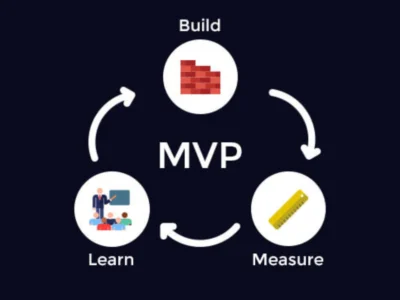

[…] Before investing heavy capital into software or physical operations, you must thoroughly understand what is a startup and how early testing protects your initial investment capital. Having a grounded perspective […]