

Cricket Formats Explained: Ultimate Guide to Test, ODI & T20
Cricket Formats Explained: Ultimate Guide to Test, ODI & T20 gives fans a clear look at how different match types operate. Cricket is a diverse sport played across many countries today. Different styles of play exist to entertain fans around the world. Understanding these playing styles makes watching matches much more enjoyable.
This full guide covers the different cricket formats for every passionate fan. You will learn how each match type operates on the pitch. You will also understand why teams change their overall strategies.
Every match style follows standard underlying concepts of cricket. Two teams compete using a leather ball and wooden bats. However, match durations and overs differ significantly between formats.
Understanding these differences helps new followers appreciate the modern game. Each version brings unique excitement and tactical challenges to players. Let us examine how these match structures function step by step.

Cricket Formats Explained: Ultimate Guide to Test, ODI & T20 Match Evolution
Cricket began centuries ago as a simple rural pastime in countryside villages. It gradually transformed into a structured professional sport with strict rules established. Early international matches consisted exclusively of multi-day Test encounters between nations.
Over time, fans demanded faster action and shorter match durations. Cricket boards introduced limited overs games to attract larger audiences. This change change how teams prepared for major international series.
Today, three primary styles dominate the international calendar worldwide. These include Test matches, One Day Internationals, and Twenty20 games. Each style caters to different audience preferences and scheduling needs.
Players must adapt their skill sets to survive in modern cricket. A player who excels in short games might struggle in long formats. Versatility is highly valued by selectors in modern team composition.
Understanding the Test Match Format
Test cricket represents the traditional and purest form of the sport. It tests the mental strength and physical stamina of every athlete. National teams compete over five consecutive days in a single match.
Each team gets two separate opportunities to bat and bowl. These individual periods of play are known as match innings. There is no limit on the number of overs thrown per innings.
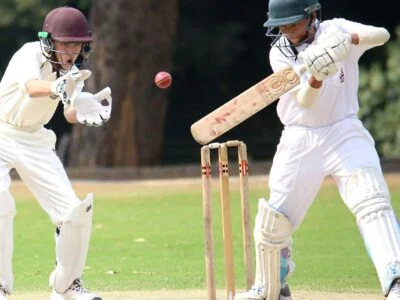
Teams wear traditional white clothing during official red ball Test matches. A red leather ball is used because it moves well in daylight. Day-night Test matches use a pink ball under bright stadium lights.
Patience is the most vital quality for players in Test cricket. Batsmen aim to stay at the crease for many hours without making errors. Bowlers work tirelessly to set clever traps and dismiss skilled batsmen.
Daily Structure in Five Day Matches
A standard day of Test cricket features ninety full overs of play. The total playing time is divided into three distinct sessions daily. Short breaks are taken for lunch and afternoon tea between sessions.
The first session usually lasts two hours after play officially begins. Players then take a forty-minute break to eat lunch together. The second session continues for another two full hours of action.
After a short tea break, the final session of the day starts. Teams play until ninety overs are completed or light conditions fade. This structured schedule continues for five straight days until a result occurs.
Pitch conditions change dramatically over the course of five long days. The grass wears down, and cracks open up on the surface. These physical changes make batting harder as the match progresses toward completion.
How Results Are Decided in Tests
To win a Test match, a team must score more total runs. They must also bowl out the opposing team twice during the game. Dismissing twenty opponent batsmen is necessary for a full victory.
If a team scores many runs quickly, they can declare their innings closed. The captain voluntarily ends the innings to force a result before time expires. Strategic declarations add high tactical drama to five-day matches.
A match ends in a draw if five days pass without a clear winner. Weather delays like rain often cause games to end in draws. A draw is different from a tie, which happens when scores are identical.
You can check official schedule details on the International Cricket Council main platform. Following official updates helps fans track major ongoing international Test series easily.
Understanding One Day International Matches
One Day International matches are commonly known by the acronym ODI. This format balances the patience of Tests with the speed of short games. An entire ODI match finishes within a single day of active play.
Each team gets fifty overs to score as many runs as possible. Unlike Test matches, each team bats for only one single innings. The team with higher total runs after fifty overs wins the match.
Teams wear colorful jerseys instead of traditional white clothing in ODIs. A white leather ball is used instead of a red leather ball. White balls are easier to see under bright night lights in modern stadiums.
Tactics in ODIs require a mix of aggression and tactical patience. Teams must build solid partnerships while maintaining a decent run rate throughout.
Powerplay Rules in Fifty Over Cricket
Special fielding restrictions apply during specific periods of an ODI match. These restricted periods are officially called powerplays by game officials. Powerplays control how many fielders can stand outside the inner circle.
The first ten overs constitute the mandatory first powerplay period. Only two fielders are allowed outside the thirty-yard inner circle. This restriction encourages batsmen to hit big shots over fielders early on.
The middle thirty overs feature the second powerplay with four outer fielders. Teams focus on building steady partnerships during this prolonged middle phase. Rotating the strike with quick single runs becomes very important here.
The final ten overs form the explosive third powerplay period. Up to five fielders can stand outside the inner circle now. Batting teams attack aggressively to finish their innings with maximum runs.

Understanding Twenty20 International Cricket
Twenty20 cricket is widely known as T20 around the world. This modern format significantly impacted international cricket. It offers high energy, big hits, and non-stop entertainment for fans.
An entire T20 match finishes in roughly three and a half hours. The fast pace makes it perfect for busy evening viewers today.
Teams use aggressive tactics right from the very first delivery thrown. Batsmen target boundaries continuously to keep the run rate extremely high. Bowlers must use clever variations to trick attacking batsmen on field.
Because time is short, every single ball carries immense value here. One great over can change the momentum of the whole match. Young audiences love this shorter, explosive style of international play.
Powerplay Tactics in T20 Matches
Fielding restrictions in T20 cricket are tight and very fast-paced. The first six overs of an innings form the initial powerplay period. Only two fielders can stand outside the thirty-yard inner circle.
Batsmen take full advantage of this early fielding restriction phase. They loft the ball over inner fielders to find easy boundaries. Scoring sixty runs in the powerplay is a common team strategy.
After six overs, up to five fielders can move outside the circle. The run rate slows down slightly as batsmen look for gaps carefully. However, attacking intent remains present throughout the entire twenty overs.
Bowlers use slower deliveries and wide yorkers to restrict easy boundaries. Fielders must react fast to save every possible single run on field. Modern T20 matches demand elite physical fitness from every active player.
The Super Over Rule for Tied Matches
Draws do not exist in modern Twenty20 cricket matches played today. If both teams score identical runs, a Super Over determines the winner. Each team gets six extra balls to score as many runs possible.
The team that batted second in the main game bats first here. They select three batsmen and face one designated bowler from the opponent. The innings ends early if the bowling team takes two wickets.
Then the opposing team chases the target set in those six balls. The team scoring the most runs in the Super Over wins directly. This quick tie-breaker adds tremendous tension and joy for all supporters.
If the Super Over also ends in a tie, another one is played. Super Overs continue until one team scores more runs on the field. You can follow real-time match stats on ESPNcricinfo for clear coverage.
Franchise Leagues and Global T20 Popularity
Franchise leagues have accelerated the global growth of twenty-over cricket. Leagues like the Indian Premier League showcase elite international talent together. Players from different nations join forces under private team ownerships today.
These leagues attract massive television audiences and major corporate sponsors worldwide. Young players gain valuable experience playing alongside seasoned international superstars. Financial rewards for professional athletes have increased significantly through these events.
Similar tournaments exist in many other countries across the globe now. The Big Bash League in Australia features packed stadium crowds every summer. Caribbean Premier League matches bring unique music and lively party energy to stands.
Franchise cricket has made the sport popular in non-traditional athletic markets. New countries are taking up the game due to T20 accessibility. The format serves as the main gateway for global expansion efforts.
Comparing T10 and Hundred Formats
Cricket continues to evolve with even shorter formats entering the market. The T10 format limits each innings to just ten total overs. Matches conclude in ninety minutes, making them ultra-fast and intense.
The Hundred is another recent innovation introduced in England recently. Instead of standard six-ball overs, each team faces one hundred individual balls. Bowlers can bowl five or ten consecutive balls during an innings.
These newer styles aim to simplify rules for totally new spectators. They feature fast music, colorful lights, and rapid action on field. Traditional fans sometimes prefer longer matches, but short games grow fast.
Despite new ideas, standard international formats remain the core benchmark. Test matches, ODIs, and T20s define overall career greatness for players. Modern boards balance traditional series with lucrative new league opportunities.
Strategic Differences Across Formats
Player selection varies greatly depending on the specific match length played. Test cricket requires patient batsmen who can defend solid bowling attacks. Spinners play a massive role on decaying pitches during later match days.
In contrast, T20 teams prioritize power-hitters and fast bowling options. All-rounders who can bat and bowl are extremely valuable in short games. Flexibility in batting order helps teams adapt to sudden match situations.
Fitness requirements have also changed due to modern multi-format schedules. Fast bowlers must manage their workloads carefully to avoid serious muscle injuries. Team management frequently rotates players between long Test series and short leagues.
Understanding these operational differences helps fans analyze team performance better. Every format demands a specific mindset, custom strategy, and specialized execution. The diversity of formats makes cricket a uniquely versatile global sport.
Player Mindset Differences
Player psychology changes completely when moving between different cricket formats. A batsman in a Test match takes time to analyze pitch conditions. They leave dangerous balls outside the off stump to avoid early dismissals.
In short formats, that same batsman attacks from the very first ball. They accept higher risks because overs are strictly limited in shorter games. Mental adaptability is essential for modern players who compete across all formats.
Bowlers also shift their tactics based on the length of the match. In Test cricket, bowlers aim for consistent lines to build pressure over time. They try to wear down the patience of the batsman using tight field placements.
In T20 matches, bowlers focus on unpredictable pace changes and wide yorkers. They try to stop batsmen from making clean contact with the bat. Strategic adaptability defines successful bowlers in modern international tournaments today.

Captaincy Strategies Across Cricket Formats
Field placements show the immediate tactical differences between match formats clearly. Test captains place multiple slip fielders close to the active batsman. They focus entirely on taking wickets rather than stopping single runs on ground.
Limited overs captains set defensive fields to protect the boundary ropes. They place fielders along the outer circle to prevent cheap boundary hits. Stopping runs creates pressure that often leads to reckless shots and wickets.
Bowling rotations also require careful management depending on the format played. In Test matches, fast bowlers complete long and sustained spells that far exceed limited-overs outings. Captains must monitor bowler fatigue carefully across five hot match days.
In shorter matches, captains change bowlers rapidly to disrupt batting rhythms. A bowler might throw only one or two overs before being replaced. Flexible decision-making helps captains control the tempo of limited-overs matches.
Pitch Conditions
The condition of the pitch influences every format of cricket differently. In five-day matches, the pitch cracks and wears down gradually over time. Spin bowlers become extremely dangerous on days four and five due to uneven bounce.
In T20 cricket, groundsmen prepare hard pitches that favor aggressive batting. Flat pitch surfaces allow the ball to come onto the bat smoothly. Fans enjoy high-scoring matches with plenty of boundaries flying into stadium stands.
Equipment choices also vary slightly based on the specific format played. White balls used in limited-overs games swing early but lose movement fast. Red balls used in Test matches maintain their seam and shine much longer.
Pink balls used in day-night Tests behave differently under powerful stadium floodlights. Players must adapt quickly to how different balls react off the pitch surface. Equipment adaptation remains a key technical skill for all elite athletes.
Historical Evolution of Cricket
The introduction of One Day Internationals in the 1970s changed viewing habits completely. Fans embraced the idea of seeing a full match conclude in one day. World Cup tournaments popularized the fifty-over format across diverse global markets.
The emergence of Twenty20 cricket in the early 2000s accelerated sport growth further. T20 attracted younger audiences who wanted fast action in short timeframes. It created major financial opportunities through dynamic franchise leagues worldwide.
Today, all three formats coexist to provide a balanced international calendar. Traditional fans continue to respect the deep technical challenge of Test cricket. Newer followers often prefer the rapid excitement and entertainment of short games. You can follow official tournament updates on the ICC World Cup site.
Frequently Asked Questions
What is the primary difference between Test cricket and T20 cricket?
Test cricket lasts up to five days with unlimited overs and two innings per team. T20 cricket finishes in a few hours with twenty overs per team.
How many overs are played in a standard One Day International match?
An ODI match consists of fifty overs for each team during their single batting innings.
What ball color is used during day-night Test matches?
Teams use a pink leather ball during day-night Test matches for better visibility under stadium lights.
What happens if a T20 match ends in a draw?
If a T20 match ends with equal runs, a Super Over is played to determine the winner.
How long does a standard T20 international match take to complete?
A standard T20 match usually takes around three to four hours to finish completely.
Can a bowler bowl unlimited overs in limited-overs cricket?
No, a bowler can bowl a maximum of ten overs in ODIs and four overs in T20s.
Why do players wear white clothes in Test cricket?
White clothing reflects heat during long days in the sun and provides contrast against red balls.
What is the powerplay rule in white-ball cricket formats?
Powerplay is a designated period where fielding restrictions limit outer fielders to encourage boundary shots.
Which cricket format is considered the most physically demanding?
Test cricket is widely considered the most demanding format due to five continuous days of play.

Conclusion
Understanding Test, ODI, and T20 cricket helps fans appreciate every international match. Review the official rules to deepen your knowledge of the sport today.
Related reading: How Is Cricket Played: Ultimate Rules & Beginner’s ·. Meal Prep for Beginners: Easy Plans to Save Time & Money · AI Agent vs Chatbot: 7 Key Differences Explained

[…] Breaking How Is Cricket Played: Ultimate Rules & Beginner’sCricket Formats Explained: Ultimate Guide to Test, ODI & T205v5 flag football rulesFlag Football Rules: Complete Guide for Beginners (2026)How to Build a Cyber […]