
How Is Cricket Played
Introduction to How Is Cricket Played Worldwide
Cricket is one of the most popular sports across the entire globe. Millions of sports fans watch live matches and tournaments every single week. Understanding how is cricket played allows new viewers to follow the action easily.
The fundamental goal of the game relies on scoring more runs than the opponent. Two teams compete against each other using leather balls and wooden bats. Each team consists of eleven active players on the field during a match.
One team bats first to set a competitive target score on the board. The opposing team bowls and fields to restrict scoring and claim dismissals. The sides switch roles after a designated number of overs or wickets fall.
Learning the core mechanics helps fans appreciate team strategy on the pitch. Modern cricket features various formats that appeal to different global audiences. The sport combines individual athletic skill with deep team tactics on every delivery.

Understanding the Cricket Field and Equipment
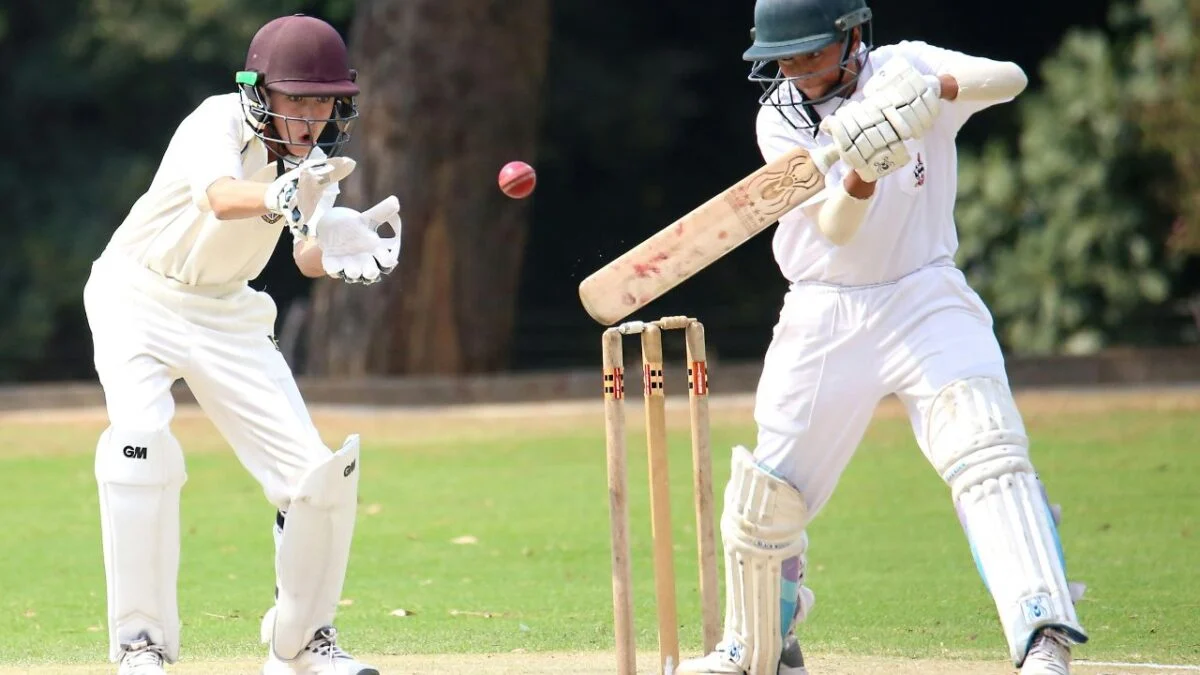
Matches take place on a large oval grass field surrounded by a boundary line. The center of the field features a flat rectangular strip called the pitch. The pitch measures twenty-two yards long and acts as the main play area.
Two sets of wooden structures called wickets stand at both ends of the pitch. Each wicket consists of three vertical stumps topped by two horizontal bails. Bowlers attempt to hit these wickets while batsmen protect them with wooden bats.
Players use specialized equipment designed for personal safety during active play. Batsmen wear padded leg guards, batting gloves, and protective helmets against fast bowling. The ball features a hard leather exterior wrapped around a dense cork core.
Fielders generally play without gloves, except for the dedicated wicketkeeper behind the stumps. Proper equipment ensures safety when dealing with high-speed deliveries on the field. You can read more about standard gear guidelines through ESPNcricinfo resources.
Team Roles and Strategic Responsibilities
Every cricket squad relies on a balanced combination of specialized player roles. Specialized batsmen focus on building long innings and scoring consistent runs for the team. They analyze pitch conditions and adjust their shot selection to protect their wickets.
Bowlers specialize in throwing accurate deliveries to disrupt the batting order. Fast bowlers use high speed and movement off the pitch to induce errors. Spin bowlers rely on ball rotation and unexpected bounce to trick the batsman.
All-rounders possess strong skills in both batting and bowling departments during matches. Their versatility gives captains operational flexibility when setting match lineups and bowling rotations. Active all-rounders balance team composition across different phases of the game.
Fielders support the bowling attack by stopping shots and chasing loose balls. Sharp fielding prevents extra runs and creates valuable run-out opportunities for the side. Every position on the field carries clear tactical duties during open play.
Basic Mechanics of Bowling and Batting
An over consists of six consecutive legal deliveries thrown by a single bowler. Bowlers must maintain a straight arm motion without bending the elbow joint illegally. Throwing from behind the crease line ensures the delivery remains completely valid.
Batsmen stand at the striker end to defend the wicket and score runs. They hit the ball into open areas of the field away from fielders. Hitting into gaps allows both batsmen to run safely between the two creases.
Each successful cross between the pitch ends adds one run to the total score. Batsmen can run multiple times if the ball travels deep into the outer field. Communication between running partners prevents mid-pitch misjudgments and dangerous run outs.
Boundary hits offer immediate points without requiring physical running between the wickets. A ball that bounces before crossing the outer rope awards four automatic runs. A ball clearing the boundary rope on the fly counts as six runs.
Primary Scoring Methods and Pitch Running
Scoring runs efficiently requires a clear understanding of pitch spatial positioning. The crease lines mark safe zones for both active batsmen during a delivery. A batsman must have their bat or body grounded behind the line.
Stealing quick singles puts pressure on the opposing fielding placement throughout the match. Batsmen look for misfields or slow throws to take extra running opportunities. Consistent strike rotation keeps the scoreboard moving and disrupts the bowler’s rhythm.
When evaluating match dynamics, checking detailed cricket formats explained helps fans understand how pacing varies across different game structures. Longer formats encourage patient running while shorter formats demand constant boundary attempts.
Calculated risk management dictates how aggressively batsmen attempt extra runs on the pitch. Pushing for two runs on deep hits tests the arm strength of outer fielders. Modern teams train heavily to maximize speed and running efficiency between wickets.
Common Ways Batsmen Lose Their Wickets
Understanding how batsmen get out is a key part of learning how is cricket played today. A dismissal occurs when the bowling side successfully removes a batsman from the field. Ten dismissals bring an end to a team’s batting inning.
The most straightforward dismissal happens when a bowler hits the wooden stumps directly. This is called getting bowled, and the bails must fall off for it to count. Another frequent dismissal occurs when a fielder catches a ball hit into the air before it touches the ground.
Leg Before Wicket happens when the ball strikes the batsman’s leg or body instead of the bat. If the umpire judges that the ball would have hit the stumps, the batsman is declared out. You can review official regulations on the International Cricket Council digital portal.
Run outs occur when fielders hit the stumps with the ball while batsmen are running between the creases. Stumping happens when the wicketkeeper removes the bails while the batsman is outside the safe line after missing a shot.
Understanding Extras and Penalties on the Field
Extra runs are added to the batting team’s total score when bowlers make technical mistakes. These extra points do not count toward the individual batsman’s personal score. They help the batting side build momentum without taking physical running risks.
A wide ball is called when the bowler throws the ball too far outside the batsman’s reach. The batting team receives one extra run, and the bowler must repeat that delivery. This penalty discourages bowlers from throwing inaccurate deliveries away from the pitch.
A no-ball occurs when the bowler oversteps the front crease line during the delivery stride. It is also called if the delivery passes above the batsman’s waist without bouncing. The batting side receives one run, and the next delivery becomes a free hit in limited-overs matches.
Byes and leg byes occur when the ball passes the batsman without touching the bat and fielders fail to stop it. Batsmen can run across the pitch to score extra runs off these loose deliveries safely.
Umpires and Match Decision Technology
Two field umpires stand on the pitch to oversee fair play and enforce official ground rules. The main umpire stands behind the bowler’s end stumps to judge LBW decisions and bowling legality. The square leg umpire stands perpendicular to the batsman to monitor stumpings and run outs.
Modern professional matches utilize an off-field video official known as the third umpire. The third umpire reviews close calls using television replays and specialized motion technology. Tools like ball tracking and edge detection help ensure accurate decisions on difficult appeals.
Players can challenge on-field decisions using the Decision Review System during official international fixtures. Each team gets a limited number of unsuccessful reviews per inning to check umpire calls. This technology reduces human error and maintains integrity across high-stakes encounters.
Umpires also monitor player behavior and ball condition throughout the duration of the match. Their decisions maintain respect between competing sides and keep play moving smoothly.
Frequently Asked Questions About How Is Cricket Played
What is the primary objective when learning how is cricket played?
The main goal is to score more total runs than the opposing team while taking all their wickets.
How many players are on each team in a standard cricket match?
Each team fields eleven players who fulfill specific roles like batting, bowling, and fielding.
What is an over in a cricket match?
An over consists of six consecutive legal deliveries thrown by a single bowler from one end of the pitch.
What is the difference between a four and a six in cricket?
A four is awarded when the ball touches the ground before crossing the boundary line, while a six clears the boundary without touching the ground.
How long does a standard professional cricket match last?
Match length depends on the format, ranging from three hours for T20s to five full days for Test matches.
What happens when a bowler throws a no-ball?
The batting side gets one extra run, the bowler must repeat the delivery, and the next ball is often a free hit.
Can a batsman get out on a free hit delivery?
A batsman cannot be dismissed on a free hit except through a run out, obstruction, or handling the ball.
What is the role of the wicketkeeper on the field?
The wicketkeeper stands directly behind the batsman’s stumps to catch missed balls, make stumpings, and take catches.
Conclusion of How Is Cricket Played
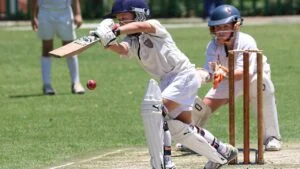
Learning how is cricket played reveals a dynamic balance between physical skill and tactical planning. From basic running mechanics to complex dismissal rules, every phase of the game offers unique excitement. As you follow matches, understanding these fundamental rules allows you to appreciate team strategies and individual performances on the field.


[…] for weight loss side effectsHow to Build an mvp start up: A Founder’s Guideprice index equationHow Is Cricket Played: Ultimate Rules & Beginner’sCricket Formats Explained: Ultimate Guide to Test, ODI & T205v5 flag football rulesFlag […]
[…] reading: How Is Cricket Played: Ultimate Rules & Beginner’s · Meal Prep for Beginners: Easy Plans to Save Time & Money · AI Agent vs […]