
Understanding US Foreign Policy and How It Shapes Our World
us foreign policy is the set of official strategies, goals, and guiding rules that the American government uses when dealing with other countries. Every single day, leaders in Washington make big choices about global trade, national security, international aid, and global peace. When you look closely at American actions abroad, you can see how national decisions directly influence economic markets, border security, and global diplomacy around the world. Understanding these complex political choices helps citizens realize how international agreements affect daily life everywhere.
The Core Foundations of American Global Strategy
To truly understand how American foreign policy works, you have to look at the main goals that guide government decisions. The primary goal of any national strategy is to protect the safety of the country and its citizens from outside threats. The United States works tirelessly to defend its borders, secure its supply lines, and prevent dangerous international conflicts before they spread.
Protecting National Security and Global Peace
National security is the most important part of any country’s external strategy. The United States uses a mix of diplomatic meetings and military readiness to keep threats far away from its homeland. By building strong defense networks and placing strategic military resources in key world regions, the government tries to discourage aggressive actions from opposing nations. When world conflicts arise, American leaders meet with allies to coordinate defense measures and stabilize vulnerable zones.
Expanding International Trade and Economic Stability
Economic strength is deeply tied to foreign relations because no single country can produce every resource it needs. The American government actively works to negotiate open trade channels, lower import taxes, and create fair business rules for companies trading across borders. By supporting stable economic networks, the United States helps domestic businesses sell goods globally while keeping store prices reasonable for everyday consumers at home.
Key Historical Shifts in Modern Diplomacy
American diplomacy has changed significantly over the past century to match changing world events. In early history, the country often tried to stay out of distant foreign arguments to focus on internal growth. However, major global events quickly proved that events in distant countries could easily impact national security and domestic economic growth.
The Shift Toward World Leadership
After major global conflicts in the twentieth century, the American government stepped up to play a central leading role in world affairs. Leaders realized that staying completely isolated was no longer possible in a fast-moving, interconnected world. The country helped create strong global organizations to handle international law, resolve economic crises, and manage long-term security challenges together with key partners.
Building Modern Alliances for Shared Protection
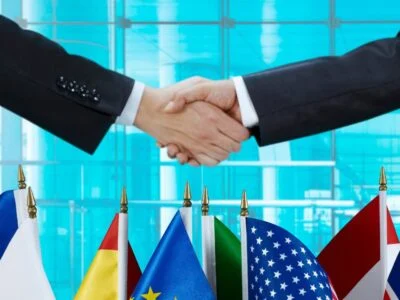
Alliances are shared promises between nations to protect one another in times of military or political trouble. The United States maintains long-standing security pacts with trusted nations across Europe and Asia. These defense alliances ensure that if one member country comes under attack, allied nations will stand together to restore peace and security. These organized security pacts remain central to modern American defense strategies today.
Modern Diplomatic Tools Used by American Leaders
Government officials rely on several major diplomatic tools to achieve their foreign goals without engaging in direct warfare. Diplomacy involves careful conversation, negotiated treaties, and continuous communication between official ambassadors living abroad.
Peaceful Negotiations and Official Treaties
Diplomacy is always the very first path leaders take when resolving serious disagreements with foreign nations. Ambassadors and diplomatic teams meet behind closed doors to draft formal agreements regarding weapon control, trade rules, and border security. These formal treaties require long months of discussions, but they remain the most effective way to prevent costly international conflicts.
Economic Sanctions and Financial Restrictions
When diplomatic talks break down or foreign countries break international laws, governments often use economic sanctions to encourage compliance. Economic sanctions restrict banking access, limit international trade, or freeze financial assets belonging to uncooperative foreign officials. By cutting off financial resources, the United States can apply strong pressure on foreign governments without sending military forces into combat zones.
Connecting Global Strategy to Broader Political Systems
American foreign decisions do not happen in isolation from general world events and global institutions. Every major defense strategy or trade pact links directly into the wider framework of Global Politics across different continents. By analyzing diplomatic shifts alongside general world politics, observers can clearly trace how American choices impact smaller nations and global market trends. Furthermore, American diplomats frequently collaborate with global bodies, working closely within the framework of International Relations to build consensus on global security laws.
To learn more about how foreign policy decisions are officially documented and archived, you can explore public records at the official [suspicious link removed] portal.
Deep Dive into Global Alliances and Modern Diplomatic Challenges
Understanding how international strategies develop requires looking at the actual modern challenges that nations face every day. Countries work with dozens of international partners to manage shared security risks, handle regional crises, and maintain peaceful diplomatic channels across every continent.
Key Elements of US Foreign Policy in Action
When analyzing national strategies, observers notice how official actions directly impact global trade routes, diplomatic relations, and regional stability. The continuous execution of us foreign policy shapes how international treaties are written and how allied nations respond to sudden global changes. By applying consistent diplomatic principles, national officials attempt to maintain global order while protecting national interests abroad.
Managing International Crises and Regional Stability
When sudden conflicts or political instability erupt in distant regions, foreign policy teams must act quickly to evaluate safety risks. Diplomatic envoys are sent to negotiate ceasefires and facilitate peace talks between opposing sides. Stabilizing tense regions prevents small local disputes from expanding into dangerous global crises that could disrupt international trade networks and displace innocent civilian populations.
Providing Humanitarian Aid and Foreign Assistance
Foreign policy is not only about military defense and trade pacts; it also includes sending vital aid to countries facing natural disasters or economic hardship. Wealthy nations allocate funds for food supplies, emergency medical teams, and clean water infrastructure in developing areas. Providing humanitarian assistance builds goodwill, strengthens diplomatic relationships, and fosters long-term stability in vulnerable parts of the world.
Complex Diplomatic Relationships and Global Alliances
Maintaining strong working relationships with foreign governments requires constant communication and mutual respect. Modern governments rely on several major international partnerships to address security challenges that no single nation could resolve on its own.
Strategic Cooperation with Allied Nations
Security alliances built over decades serve as the backbone of international stability. Through organized defense agreements, member countries share military intelligence, conduct joint training exercises, and coordinate counter-terrorism efforts. These collaborative efforts make it clear to potential aggressive powers that allied nations will stand together to protect peaceful borders and international airspaces.
Navigating Relations with Major Global Rivals
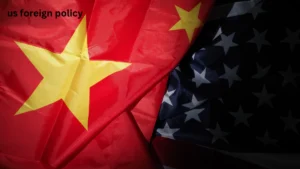
Diplomacy becomes especially important when dealing with powerful nations that hold different political values or economic goals. Governments must balance firm competition with cooperative dialogue on critical shared issues like environmental protection and international maritime trade. Through ongoing diplomatic meetings, leaders attempt to manage competition carefully so it does not turn into unnecessary direct conflict.
Modern Security Challenges in a Digital Era
In the modern world, foreign strategies must expand beyond physical borders to address technological and digital threats. Emerging security issues require updated policies and international agreements to keep public systems safe.
Addressing Cybersecurity Threats and Technology Sharing
Digital networks connect critical infrastructure, banking systems, and government communications across the globe. Foreign strategy teams must work closely with international partners to establish clear rules for cyberspace and combat cross-border cyberattacks. Protecting digital networks and preventing the theft of sensitive technological research have become top national defense priorities today.
Protecting Global Environmental Resources and Energy Supplies
Environmental shifts and resource shortages affect national security and economic growth globally. Official diplomats participate in international negotiations to promote clean energy technology and secure reliable supply chains for critical minerals. Collaborating on environmental policy helps protect vital farming lands, prevent water disputes, and ensure reliable energy access for future generations.
Official Archival Records and External Policy Data
For detailed public information, official press briefings, and historical documentation regarding active diplomatic strategies, you can explore the public archives directly at the [suspicious link removed] official resource portal. Additionally, international law frameworks and multi-nation security guidelines can be cross-verified through global documentation published by the United Nations Security Council.
Frequently Asked Questions
What is the primary purpose of US foreign policy?
The primary purpose is to protect national security, defend country borders, promote economic prosperity through international trade, and support global peace alongside allied nations.
How does US foreign policy affect foreign trade?
It helps negotiate lower trade tariffs, open foreign business markets, and establish fair commercial rules, which keeps supply chains moving and keeps store prices stable for families.
Who is responsible for making US foreign policy decisions?
The President leads foreign strategy choices, while diplomatic agencies manage daily diplomacy, and Congress approves funding and formal international treaties.
Conclusion
Understanding how international strategy operates reveals how deeply connected our modern world has become. From maintaining strong military alliances and expanding open trade routes to delivering emergency aid and protecting digital networks, official decisions shape global peace and economic growth. As technological advancements continue to bring nations closer together, thoughtful diplomacy and clear strategic communication will remain essential tools for building a safer, more stable world for everyone.

[…] Related reading: Meal Prep for Beginners: Easy Plans to Save Time & Money · peptides for weight loss side effects · How US Foreign Policy Really Works and Affects the World […]