

What Is Fashion? Definition, History & Why It Matters
Fashion is more than clothing. What Is Fashion? It is the way people express their personality, culture, and lifestyle through what they wear. Fashion includes clothing, shoes, accessories, hairstyles, and even colors that help create a unique appearance. It changes over time, but its purpose remains the same—to help people communicate who they are without saying a word.
Fashion influences everyday life. It affects how people feel, how they present themselves, and how others see them. Whether someone prefers a simple outfit or follows the latest trends, fashion plays an important role in building confidence and creating a positive first impression.
This guide explains what fashion is, how it has evolved, why it matters, and how it influences modern society. You will also learn about different types of fashion and the factors that shape fashion trends around the world.
What Is Fashion?
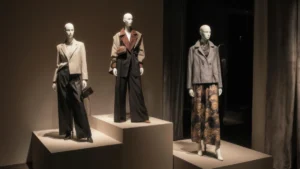
Fashion is the popular style of clothing, footwear, accessories, and appearance that people choose during a particular time. It reflects changing tastes, cultures, and lifestyles. While trends come and go, fashion remains an important way for people to express themselves.
Fashion is not limited to luxury brands or designer collections. It includes everyday clothing that people wear to work, school, social events, and daily activities. Everyone has a personal approach to fashion, whether they realize it or not.
Fashion also evolves with society. New materials, technologies, and cultural influences continue to shape the way people dress across different countries and generations.
Fashion Is a Form of Self-Expression
Clothing often reflects a person’s personality, values, and interests. Some people prefer classic outfits, while others enjoy bold colors or modern streetwear. Fashion gives individuals the freedom to express themselves without speaking.
The clothes people choose can also reflect their profession, hobbies, traditions, or personal beliefs. This makes fashion a powerful form of nonverbal communication.
Fashion Changes Over Time
Fashion trends never stay the same for long. New styles appear every season as designers introduce fresh ideas and consumers embrace different looks.
However, not every trend becomes timeless. Many trends disappear after a short period, while classic styles continue to remain popular for decades.
The History of Fashion
Fashion has existed for thousands of years. Early clothing was created mainly for protection against weather and harsh environments. Over time, clothing became a symbol of identity, culture, and social status.
Ancient civilizations used natural materials such as animal skins, wool, linen, and cotton to create garments. As societies developed, clothing became more detailed and decorative, reflecting local traditions and craftsmanship.
The Industrial Revolution transformed fashion by making clothing more affordable and widely available. Later, fashion magazines, television, and the internet accelerated the spread of new trends across the world.
Today, digital technology and social media influence fashion faster than ever before. People can discover new styles instantly, making fashion more global and accessible.
Ancient Fashion
In ancient Egypt, Greece, Rome, China, and India, clothing often represented wealth, occupation, and social rank. Materials and designs varied according to climate and local traditions.
Although styles differed between civilizations, clothing always served both practical and cultural purposes.
Modern Fashion
Modern fashion began to develop rapidly during the nineteenth and twentieth centuries. Designers introduced seasonal collections, and ready-to-wear clothing became available to more people.
As fashion became more accessible, personal style started to play a bigger role than social status alone.
Digital Fashion Era
Technology has completely changed the fashion industry. Social media platforms allow trends to spread worldwide within hours.
Online shopping, virtual fashion shows, artificial intelligence, and digital styling tools have also changed how people discover, buy, and wear clothing.
Why Fashion Is Important
Fashion is important because it combines creativity, confidence, and communication. The way people dress often influences first impressions in both personal and professional settings.
Good fashion choices can improve confidence, create opportunities, and help individuals feel comfortable in different environments.
Fashion also connects people with their culture and community. Traditional clothing continues to preserve cultural heritage while modern fashion allows individuals to express their unique identity.
Fashion Builds Confidence
Wearing clothes that fit well and match your personality often increases self-confidence. People usually feel more comfortable when they are happy with their appearance.
Confidence influences posture, communication, and overall presence. This is one reason why fashion matters beyond appearance alone.
Fashion Reflects Personality
Every outfit tells a story. Some people prefer minimalist clothing because they value simplicity. Others choose colorful outfits because they enjoy creativity and self-expression.
Fashion allows individuals to present themselves in a way that feels authentic and natural.
Fashion Supports Professional Success
Appearance can influence first impressions during interviews, business meetings, and networking events.
Professional clothing does not guarantee success, but dressing appropriately often demonstrates preparation, respect, and confidence.
Different Types of Fashion
Fashion includes many different styles designed for various lifestyles, occasions, and personal preferences. Understanding these categories helps people choose clothing that suits their daily lives.
Casual Fashion
Casual fashion focuses on comfort and simplicity. T-shirts, jeans, sneakers, hoodies, and comfortable jackets are common examples.
This style works well for everyday activities and informal gatherings.
Formal Fashion
Formal fashion is designed for professional or special occasions. Business suits, evening gowns, dress shirts, tailored trousers, and polished shoes create a refined appearance.
Formal clothing often emphasizes elegance and attention to detail.
Streetwear Fashion
Streetwear combines comfort with modern trends. Oversized clothing, graphic T-shirts, sneakers, hoodies, and relaxed silhouettes are common features.
This style has become increasingly popular through music, sports, and social media.
Luxury Fashion
Luxury fashion focuses on premium craftsmanship, high-quality materials, and exclusive designs.
Although luxury brands attract attention, personal style depends more on confidence and proper fit than expensive labels.
Sustainable Fashion
Sustainable fashion encourages responsible shopping and environmentally friendly production methods.
Consumers increasingly choose clothing that lasts longer, creates less waste, and supports ethical manufacturing practices.
Fashion Is More Than Following Trends
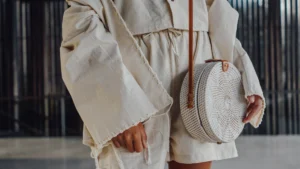
Many people believe fashion simply means wearing whatever is popular. In reality, fashion is about making thoughtful choices that reflect your lifestyle and personality.
Following every trend can become expensive and may result in a wardrobe filled with clothes that are rarely worn.
A balanced approach combines timeless wardrobe essentials with carefully selected modern trends. This creates a style that remains practical, comfortable, and fashionable throughout the year.
Fashion vs Style: What Is the Difference?
Many people think fashion and style have the same meaning. They are closely connected, but they are different. Understanding this difference helps you make better clothing choices and build a wardrobe that lasts.
Fashion refers to the latest clothing trends. These trends change with every season as designers introduce new colors, fabrics, and collections. Social media, celebrities, and fashion brands also influence what becomes popular.
Style is personal. It reflects your personality, preferences, and lifestyle. A person with a strong personal style does not need to follow every trend. Instead, they choose clothes that fit well, feel comfortable, and express who they are.
Fashion Changes, Style Lasts
Fashion trends come and go, but personal style develops over time. A timeless wardrobe often includes classic pieces that remain useful for many years.
Instead of replacing your entire wardrobe every season, you can add a few modern items while keeping your favorite essentials.
Personal Style Creates Confidence
When you wear clothes that match your personality, you naturally feel more confident. Confidence often leaves a stronger impression than expensive clothing or luxury brands.
Building your own style also makes shopping easier because you know exactly what works for you.
What Influences Fashion?
Fashion is shaped by many different factors. It changes as society changes. Culture, technology, entertainment, and global events all affect the clothes people choose to wear.
Understanding these influences helps explain why fashion evolves so quickly.
Culture Shapes Fashion
Every culture has its own clothing traditions. Traditional garments, local fabrics, and regional designs continue to inspire modern fashion around the world.
Many designers combine traditional elements with modern styles to create unique collections.
Celebrities and Influencers
Actors, musicians, athletes, and social media creators often introduce new fashion trends. Millions of people see their outfits online and become inspired to wear similar styles.
However, copying every trend does not always create a personal style. It is better to choose ideas that match your own lifestyle.
Social Media
Platforms such as Instagram, Pinterest, TikTok, and YouTube have changed the fashion industry. New trends can become popular within days instead of months.
People now discover styling ideas, outfit inspiration, and fashion advice from creators across the world.
Technology and Innovation
Technology has transformed fashion in many ways. Online shopping, virtual fitting rooms, artificial intelligence, and digital fashion tools make it easier to explore new styles.
Fashion brands also use technology to improve clothing design, manufacturing, and customer experiences.
The Benefits of Understanding Fashion
Learning about fashion helps people make smarter decisions when buying clothes. It reduces unnecessary spending and creates a wardrobe that works for different occasions.
Fashion knowledge also helps people avoid buying items that quickly go out of style.
Better Shopping Decisions
People who understand fashion usually focus on quality instead of quantity. They choose clothing that fits well and matches the rest of their wardrobe.
This approach saves money because every purchase has a clear purpose.
Improved Self-Confidence
Looking good often helps people feel good. Wearing clean, well-fitted clothing creates confidence in daily life, job interviews, meetings, and social events.
Confidence is one of the most valuable benefits of understanding fashion.
Stronger Personal Identity
Fashion allows people to express their individuality. Every outfit reflects personal taste, lifestyle, and creativity.
Instead of dressing like everyone else, people can create a unique appearance that feels natural.
Common Fashion Myths
Many fashion myths cause people to spend more money than necessary or make poor style decisions. Understanding the truth helps build a practical wardrobe.
Expensive Clothes Always Look Better
Price does not guarantee style. A well-fitted shirt from an affordable brand often looks better than an expensive designer item that does not fit properly.
Quality, fit, and confidence matter more than the brand name.
You Must Follow Every Trend
Not every trend suits every person. Fashion trends should provide inspiration rather than rules.
Choosing trends carefully creates a wardrobe that stays useful throughout the year.
Fashion Is Only for Young People
Fashion belongs to everyone regardless of age. Good style comes from wearing clothing that fits well, feels comfortable, and suits your personality.
Classic fashion works for every generation.
How Fashion Is Changing in 2026
Fashion continues to evolve as consumer preferences change. Sustainability, technology, and personalization are becoming more important than fast-changing trends.
People now value clothing that lasts longer and creates less environmental impact.
Sustainable Fashion Is Growing
Consumers increasingly choose brands that use ethical manufacturing and environmentally friendly materials.
Buying fewer but higher-quality items has become a popular approach to modern fashion.
Smart Shopping Is Replacing Fast Fashion
Instead of filling wardrobes with unnecessary clothing, many shoppers now invest in timeless essentials.
This approach saves money and reduces waste while creating a more practical wardrobe.
Technology Is Transforming Fashion
Artificial intelligence helps brands recommend clothing based on customer preferences. Virtual fitting rooms improve online shopping, while digital fashion experiences continue to grow.
Technology is making fashion more personalized and accessible than ever before.
How to Build Better Fashion Habits
Improving your fashion sense does not happen overnight. Small, consistent habits create better results over time.
Start by organizing your wardrobe and removing clothes that no longer fit your lifestyle. This makes it easier to see what you already own.
Before buying something new, ask yourself whether it matches at least three existing items in your wardrobe. This simple habit reduces unnecessary purchases.
Pay attention to clothing care as well. Washing garments correctly and storing them properly helps maintain their appearance for years.
Finally, remember that confidence is the foundation of good fashion. The best outfit is one that fits well, feels comfortable, and allows you to express your personality naturally.
Frequently Asked Questions
What is fashion?
Fashion is the popular style of clothing, footwear, accessories, and personal appearance at a particular time. It allows people to express their personality, culture, and lifestyle while adapting to changing trends.
Why is fashion important?
Fashion is important because it helps people express themselves, build confidence, and create positive first impressions. It also reflects culture, creativity, and personal identity.
What is the difference between fashion and style?
Fashion refers to trends that change over time. Style is your personal way of dressing. Fashion may change every season, but personal style can remain consistent for many years.
What are the main types of fashion?
The most common types include casual fashion, formal fashion, streetwear, luxury fashion, sustainable fashion, sportswear, and business casual fashion. Each style is designed for different occasions and lifestyles.
How has fashion changed over time?
Fashion has evolved from simple clothing used for protection into a global industry influenced by culture, technology, celebrities, and social media. Today, digital platforms and sustainable practices play a major role in shaping fashion trends.
How can I improve my fashion sense?
Start by choosing clothes that fit properly, building a wardrobe with timeless essentials, learning basic color coordination, and focusing on quality instead of quantity. Your clothing should reflect your personality and daily lifestyle.
Does fashion only mean expensive clothes?
No. Fashion is not about wearing expensive brands. A simple, well-fitted outfit often looks better than costly clothing that does not fit correctly. Confidence and proper styling are more important than price.
What is sustainable fashion?
Sustainable fashion focuses on producing and buying clothing responsibly. It encourages high-quality garments, ethical manufacturing, and reducing waste to protect the environment.
Can fashion improve confidence?
Yes. Wearing clothes that fit well and match your personality can improve self-confidence. Feeling comfortable in your outfit often leads to better communication and a stronger first impression.
Is fashion the same in every country?
No. Fashion differs across countries because of culture, climate, traditions, and lifestyle. While global trends influence many regions, every culture also maintains its unique fashion identity.
Conclusion
Fashion is much more than following the latest trends. It is a powerful way to express your personality, values, and confidence through the clothes you wear. Understanding what is fashion helps you make smarter choices, build a practical wardrobe, and develop a timeless personal style.
The fashion industry will continue to evolve with new trends, technologies, and sustainable practices. However, the principles of good style remain the same. Choose clothes that fit well, match your lifestyle, and make you feel comfortable.
Instead of chasing every trend, focus on building a wardrobe that reflects who you are. When fashion is combined with confidence and simplicity, it becomes a tool for self-expression rather than just appearance.
If you are just beginning your fashion journey, start with the basics, learn what works for you, and continue developing your personal style over time. Small improvements today can create a wardrobe that serves you well for years to come.
References
For additional research and trusted information, explore these resources:
- Vogue — Global fashion news, runway trends, and expert style advice.
- The Business of Fashion — Fashion industry analysis, sustainability, and market insights.
- Council of Fashion Designers of America (CFDA) — Professional fashion standards and designer resources.
- Fashion Revolution — Sustainable and ethical fashion education.
- WWD (Women’s Wear Daily) — Fashion business news and industry updates.
- Textile Exchange — Sustainable textile research and responsible sourcing.

[…] readers interested in the broader topic, What Is Fashion? explains how fashion connects with clothing, personal expression, culture, and everyday […]