
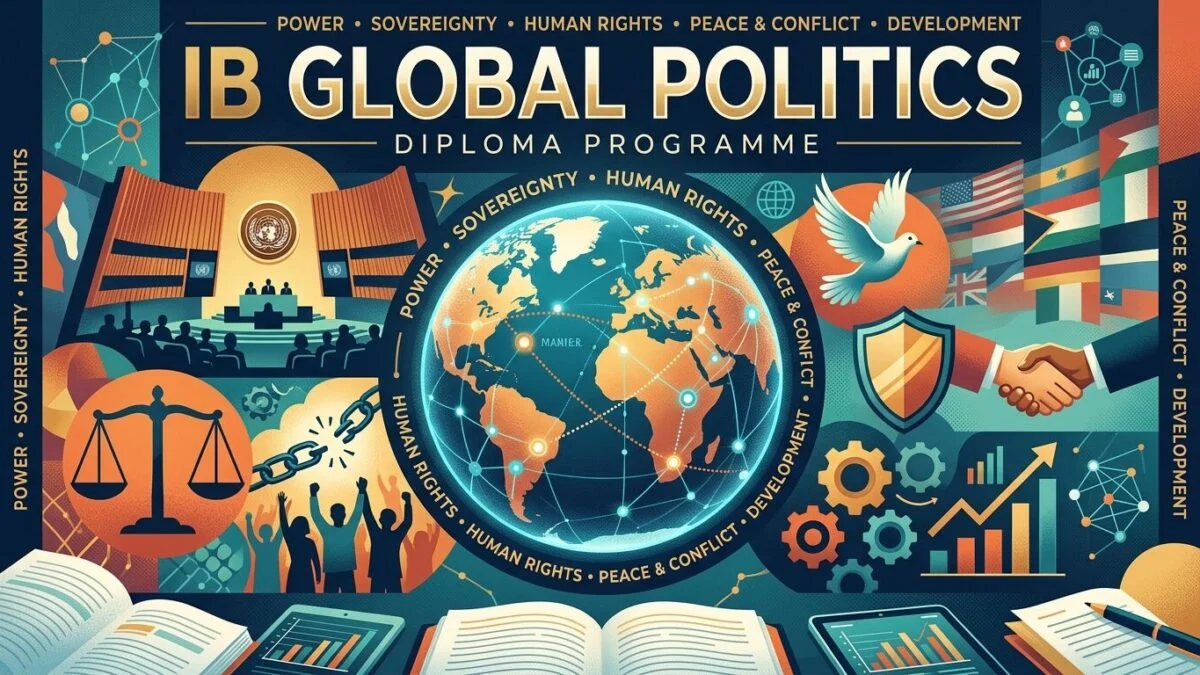
Global Politics IB
If you’re wondering whether global politics ib is the right fit for your International Baccalaureate programme, the short answer is that it suits students who enjoy linking theory with real‑world events. The course blends political theory, case studies and critical analysis, so you’ll spend time both reading classic texts and examining current headlines. Because the subject is designed for the HL and SL levels, you can tailor the depth to match your schedule and university ambitions. In this guide we will walk through how the course works, what skills it builds, and which learners are most likely to thrive.
First, we will answer the core question: who should pick Global Politics IB over other humanities subjects? The answer hinges on your interests in power, governance and global issues, as well as your willingness to engage with debate and research. If you prefer memorising dates to discussing ideas, another subject may feel more comfortable. Conversely, if you enjoy questioning why nations act as they do, this subject will feel rewarding. Throughout the article we keep the focus on practical choices rather than abstract theory.
A closer look
Next, we outline the structure of the course so you can see what a typical week looks like. Also, you’ll study core units such as Power, Sovereignty, Development and Human Rights, each anchored by a set of prescribed texts. Lessons combine lectures, group discussions and source‑analysis exercises. Assessment includes an internal oral, a written paper and, for HL, an extended essay. Understanding this layout helps you plan study time and decide if the workload matches your other subjects.
We also compare Global Politics IB with other IB humanities like History or Economics. While History leans heavily on chronological narratives, Global Politics asks you to evaluate competing perspectives on the same event. Economics focuses on models and data, whereas Global Politics stresses normative arguments about justice and legitimacy. Knowing these contrasts can guide you toward the subject that aligns with your strengths. Finally, we provide actionable steps you can take today, from choosing the right textbooks to speaking with your coordinator. By the end of this article you’ll have a clear picture of what the course demands and how it can support your future studies. Let’s begin with the short answer for prospective students.

Global politics ib – who should choose it
Short answer for prospective students
The ideal candidate for Global Politics IB is someone who enjoys debating ideas, follows current events, and is comfortable with open‑ended questions. If you find yourself reading news about climate accords, trade disputes or humanitarian crises, you’ll likely feel at home. Students who prefer clear right‑or‑wrong answers may struggle, because the subject values subtle argumentation. In contrast, learners who thrive on research projects and oral presentations will find the internal assessment rewarding. In addition, this profile matches well with university programmes in political science, law or international relations.
How the Global Politics IB course is organized
Structure and teaching methods
The course is divided into four core units: Power, Sovereignty, Development and Human Rights. Each unit combines a set of prescribed texts with contemporary case studies. Teachers typically allocate a week to each unit, mixing lecture‑style overviews with student‑led debates. For example, a lesson on Development might include a reading from Amartya Sen followed by a discussion of the United Nations’ Sustainable Development Goals. Assessment is spread across an internal oral, a written exam and, for HL, a research‑based extended essay. In fact, this mix ensures you develop both analytical writing and spoken communication skills.
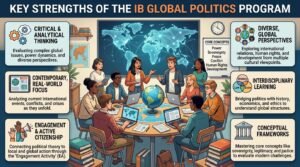
Key strengths of the Global Politics IB program
Skills and knowledge you gain
Global Politics IB equips you with the ability to evaluate arguments from multiple viewpoints, a skill prized by universities and employers alike. On top of that, you’ll learn to cite evidence from primary sources, such as treaty texts or speeches, and to construct balanced essays. The course also improves your public‑speaking confidence through the internal oral component. The focus on contemporary issues keeps the material relevant, so you can relate classroom discussions to headlines about U.S. Foreign policy or climate negotiations. These competencies prepare you for careers in diplomacy, NGOs or policy analysis.
Differences that really matter
Assessment style
Unlike History, which relies heavily on source‑based essays, Global Politics uses a blend of oral and written tasks. Also, the internal oral requires you to present a case study and answer follow‑up questions, testing your ability to think on your feet. The written exam asks for structured arguments, often comparing two or more perspectives. For HL students, the extended essay adds a research dimension that mirrors university dissertations. In addition, this variety can be appealing if you prefer diverse assessment formats.
Workload and study time
The workload is moderate compared with other HL subjects, but it demands consistent engagement with current events. In fact, you’ll need to allocate time each week to read news articles, watch documentaries and discuss them in class. The internal oral preparation can be time‑intensive, as you must gather evidence and rehearse responses. However, the course doesn’t require the extensive memorisation of dates that History does, which can free up study hours for other subjects.
University relevance
Universities that offer degrees in political science, international relations or law often look favourably on Global Politics IB because it demonstrates analytical and argumentative skills. Admissions officers recognize the subject’s emphasis on contemporary case studies, which aligns with research‑oriented programmes. If you plan to study abroad, the subject’s global focus can also help you meet language and cultural awareness requirements. While the core textbook list is relatively short, you’ll need access to reliable news sources and academic journals. Many schools provide subscriptions to databases, but you may also rely on free platforms like Glopopolis for up‑to‑date articles. The internal oral may require you to interview experts or visit local organisations, so having a network of contacts can be advantageous. Overall, the resource demand is manageable if you stay organized.

Which students thrive in Global Politics IB
Profiles of successful learners
Students who excel in Global Politics tend to be curious about how power operates across borders. On top of that, they enjoy reading both classic theorists like Hobbes and modern reports from the United Nations. Those who are comfortable expressing their opinions in class discussions also perform well, because the internal oral rewards clear articulation. If you have a background in debate clubs or Model United Nations, you’ll find the skill set directly transferable. Conversely, learners who prefer solitary study and memorisation may find the collaborative nature of the subject challenging.

Practical steps to get started with Global Politics IB
How to begin your journey
Start by reviewing the official IB syllabus, which outlines the required texts and assessment criteria. Next, talk to your IB coordinator about the availability of the subject at your school and any prerequisites. Choose a reliable news outlet to follow daily, such as the BBC or Al Jazeera, and set aside time each evening for current‑affairs reading. Supplement your study with online resources like IB Global Politics overview or IB Global Politics topics for additional explanations. Finally, consider joining a study group to practice the internal oral and exchange perspectives.
Frequently Asked Questions
What is the difference between HL and SL in Global Politics?
HL covers an additional optional extension on a topic of your choice, which requires a longer essay and deeper analysis, while SL focuses on the core units only.
Can I take Global Politics IB without prior knowledge of politics?
Yes, the course starts with foundational concepts and builds up, so no previous study is required.
How many sources are needed for the internal oral?
You should use at least three credible sources, such as academic articles, official reports or reputable news outlets.
Is Global Politics IB useful for non‑political university degrees?
Absolutely; the critical thinking and research skills are valuable in fields like law, journalism and business.
Do I need to learn a second language for this subject?
The IB programme requires a language B, but Global Politics itself doesn’t demand additional language proficiency beyond the standard curriculum.
Conclusion
Global Politics IB offers a blend of theory, current events and analytical skills that suit students interested in how the world works. It differs from other humanities subjects through its mixed assessment methods, moderate workload and strong university relevance. If you enjoy debate, stay informed about global issues and aim for a career in policy‑related fields, this subject is worth considering. Today, review the syllabus, talk to your coordinator and start following a reliable news source to begin your preparation.


[…] Overview, Impact, and RegulationTennis Rules Explained: Easy Guide to Scoring & Court Setupglobal politics ibScience Discoveries That Changed the WorldAI Detector: A Beginner’s Guide to Spotting […]