Foods That Boost Metabolism: 15 Science-Backed Foods for Healthy Weight Loss
Many people search for foods that boost metabolism because they want an easier way to lose weight and stay healthy. While no single food can melt body fat overnight, some foods can help your body burn energy more efficiently. They may also help you feel full for longer, protect your muscles, and support a healthy weight when combined with regular exercise and good sleep.
Your metabolism is the process your body uses to turn food into energy. It works all day, even when you are resting. The foods you eat can have a small but important effect on this process. Choosing nutrient-rich foods instead of highly processed meals can support your metabolism and improve your overall health over time.
In this guide, you will learn which foods are backed by science, how they work inside your body, and how to include them in your daily meals. You will also discover common myths about metabolism so you can make smarter and healthier choices.
What Is Metabolism?
Metabolism is the group of chemical processes that keep your body alive. It changes the food you eat into energy that your body uses for breathing, moving, thinking, and repairing cells.
Even when you are sleeping, your body continues to burn calories. This is called your basal metabolic rate (BMR). Your age, body size, muscle mass, genetics, and activity level all affect how many calories your body burns each day.
A faster metabolism means your body uses more energy. However, the difference between people is usually smaller than many believe. Healthy eating, regular movement, and strength training often have a greater impact than trying to find a “magic” metabolism-boosting food.
Can Foods Really Boost Your Metabolism?
The short answer is yes, but the effect is usually modest.
Some foods require more energy to digest. Others contain nutrients that may slightly increase calorie burning or help your body use stored fat more efficiently. These effects are real, but they work best as part of a healthy lifestyle rather than as a quick fix for weight loss.
Research shows that high-protein foods have one of the strongest effects on metabolism because your body uses more energy to digest protein than it does to digest fats or carbohydrates. Some drinks, spices, and whole foods may also provide small benefits by supporting thermogenesis and healthy metabolic function.
If your goal is long-term weight loss, focus on building healthy eating habits instead of searching for miracle foods.
How Food Affects Your Metabolic Rate
Your body does much more than simply digest food. Every meal starts a series of processes that require energy. This is one reason why some foods support metabolism better than others.
Thermic Effect of Food (TEF)
The Thermic Effect of Food is the energy your body uses to digest, absorb, and process nutrients.
Protein has the highest thermic effect. Your body burns more calories digesting protein than it does digesting carbohydrates or fats. This is why meals rich in lean protein can slightly increase daily calorie burning while helping you stay full longer.
Protein Helps Protect Muscle
Muscle tissue burns more calories than fat tissue, even when your body is resting.
Eating enough protein helps maintain muscle, especially during weight loss. Combined with strength training, this can help support a healthy metabolism over time.
Thermogenesis
Some foods contain natural compounds that may slightly increase heat production in the body. This process is called thermogenesis.
Foods such as chili peppers, ginger, coffee, and green tea are often linked to thermogenesis. Their effects are generally small, but they may become more meaningful when paired with healthy eating and regular exercise.
Food Alone Is Not Enough
Many advertisements promise fast metabolism boosts through special foods or supplements. In reality, no food can replace healthy daily habits.
Regular physical activity, quality sleep, stress management, and balanced nutrition all work together to support your metabolism. The best results come from combining these habits instead of depending on one ingredient.
15 Best Foods That Boost Metabolism
Some foods provide more support than others because they are rich in protein, healthy fats, vitamins, minerals, or natural plant compounds. Let’s begin with five of the strongest science-backed options.
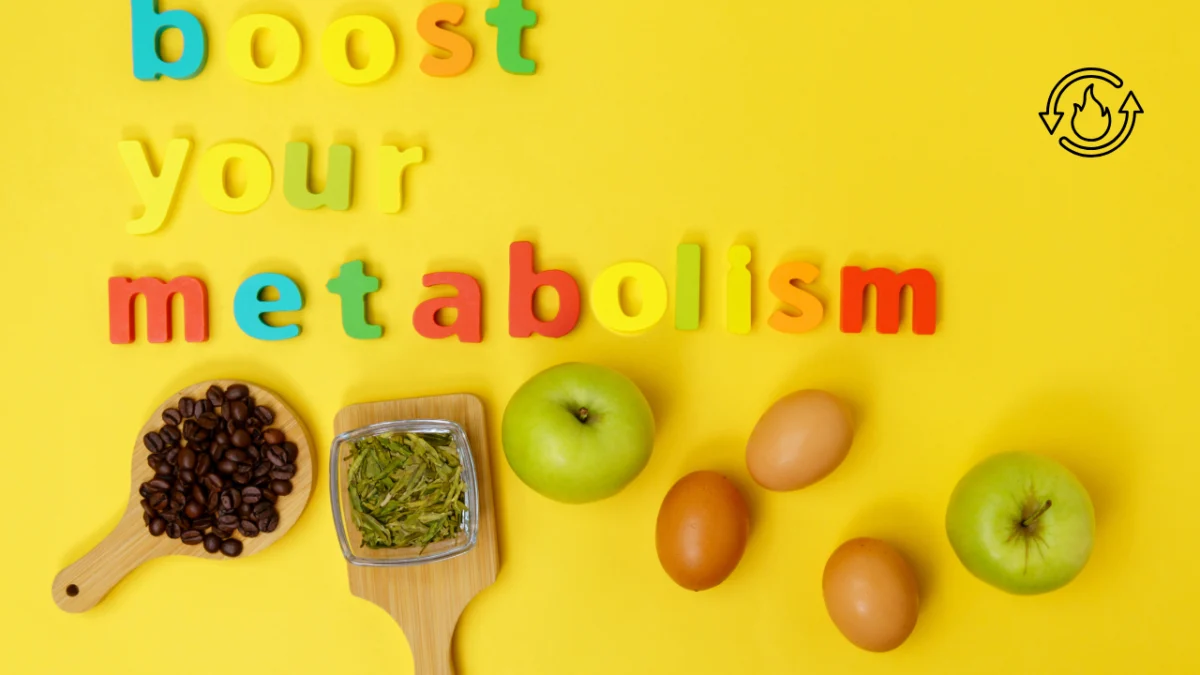
Eggs
Eggs are one of the best foods that boost metabolism because they are rich in high-quality protein. Protein increases the thermic effect of food, meaning your body uses more energy during digestion.
Eggs also contain important nutrients such as vitamin B12, choline, and selenium, which help support normal energy production. A protein-rich breakfast with eggs may also help reduce hunger later in the day, making it easier to control calorie intake.
Boiled, poached, or lightly scrambled eggs are healthy options that fit into most balanced diets.
Lean Chicken Breast
Lean chicken breast is another excellent source of protein. It helps preserve muscle while supporting healthy weight management.
When your body maintains muscle mass, it can continue burning calories more efficiently throughout the day. Chicken is also low in saturated fat, making it a smart choice for many people trying to lose weight.
Pair grilled chicken with vegetables and whole grains to create a balanced meal that supports long-term metabolic health.
Salmon
Salmon provides both high-quality protein and heart-healthy omega-3 fatty acids.
Omega-3 fats may help reduce inflammation, which plays a role in overall metabolic health. Salmon also contains vitamin D and selenium, nutrients that support many important body functions.
Eating salmon once or twice each week can be part of a healthy eating pattern that supports both metabolism and heart health.
Greek Yogurt
Greek yogurt is packed with protein while also providing calcium and beneficial probiotics.
Protein supports calorie burning during digestion, while probiotics may help maintain a healthy gut microbiome. Scientists continue to study the connection between gut health and metabolism, and current research suggests that a healthy digestive system may support better metabolic function.
Choose plain Greek yogurt without added sugar whenever possible. Fresh berries or a small handful of nuts can add natural flavor and extra nutrition.
Beans and Lentils
Beans and lentils are rich in plant protein, fiber, and important minerals such as iron and magnesium.
Fiber slows digestion, helping you stay full for longer. Protein increases the thermic effect of food, while iron supports normal oxygen transport throughout the body. These benefits make beans and lentils an excellent choice for people following plant-based or balanced diets.
Adding beans to soups, salads, or rice dishes is an easy way to increase both protein and fiber without adding excessive calories.

Green Tea
Green tea is one of the most popular foods that boost metabolism, even though it is a drink. It contains natural compounds called catechins and a small amount of caffeine. Together, these compounds may help your body burn slightly more calories and use more fat for energy during physical activity.
The effect is not dramatic, but drinking green tea instead of sugary beverages can support a healthy lifestyle. It also provides antioxidants that help protect your cells from damage.
Unsweetened green tea is the best choice. Drinking one to three cups a day can be part of a balanced diet for many healthy adults.
Coffee
Coffee contains caffeine, which is a natural stimulant. Caffeine can temporarily increase your metabolic rate and improve alertness. It may also help you perform better during exercise, allowing you to burn more calories.
However, adding large amounts of sugar, flavored syrups, or heavy cream can turn coffee into a high-calorie drink. That can reduce its health benefits.
Plain black coffee or coffee with a small amount of milk is usually a healthier option. Drinking it in moderation is important because too much caffeine may cause sleep problems or increase anxiety in some people.
Chili Peppers
Chili peppers contain capsaicin, the natural compound that gives them their spicy taste. Capsaicin may slightly increase thermogenesis, which is the process your body uses to produce heat and burn energy.
The increase in calorie burning is usually small, but chili peppers can still be a healthy addition to meals. They also add flavor without adding many calories.
If you do not enjoy very spicy foods, start with small amounts and increase gradually based on your comfort level.
Ginger
Ginger has been used for centuries in traditional diets and natural health practices. Modern research suggests that it may support digestion and slightly increase energy expenditure after meals.
Ginger also contains powerful antioxidants that help protect the body from oxidative stress. Some studies suggest it may help improve blood sugar control, which is important for overall metabolic health.
Fresh ginger can be added to tea, soups, stir-fries, or smoothies for extra flavor and nutrition.
Cinnamon
Cinnamon is a flavorful spice that may support healthy blood sugar levels when included as part of a balanced diet. Stable blood sugar can help reduce sudden hunger and energy crashes.
Although cinnamon is not a magic solution for weight loss, using it instead of extra sugar can make meals healthier. It works well with oatmeal, yogurt, fruit, and whole-grain cereals.
Choose Ceylon cinnamon when possible if you use it regularly, as it contains lower levels of coumarin than Cassia cinnamon.
Broccoli
Broccoli is low in calories but rich in fiber, vitamin C, and many important plant nutrients. Fiber helps you stay full longer, making it easier to avoid overeating.
Broccoli also contains compounds that support overall health and may help reduce inflammation. While it does not directly speed up metabolism, it supports healthy weight management by providing filling nutrition with relatively few calories.
Steamed or lightly roasted broccoli helps preserve both its taste and nutrients.
Spinach
Spinach is another nutrient-dense vegetable that supports metabolic health. It provides iron, magnesium, folate, and vitamin A while remaining very low in calories.
Iron helps carry oxygen throughout the body. Without enough iron, your body may produce energy less efficiently, leaving you feeling tired.
Adding fresh spinach to salads, sandwiches, smoothies, or cooked meals is an easy way to increase your daily vegetable intake.
Apples
Apples are rich in fiber and water, making them naturally filling. Eating an apple as a snack may help reduce hunger before your next meal.
The natural fiber in apples supports healthy digestion and helps maintain stable blood sugar levels. Instead of drinking apple juice, eating the whole fruit provides much more fiber and greater satisfaction.
Apples are easy to carry and make a simple snack for work, school, or travel.
Berries
Berries such as blueberries, strawberries, raspberries, and blackberries are packed with vitamins, antioxidants, and fiber.
Their natural sweetness makes them a healthier alternative to many processed desserts. The fiber also slows digestion, helping you feel satisfied for longer after eating.
Fresh or frozen berries can be added to yogurt, oatmeal, smoothies, or eaten on their own.
Nuts and Seeds
Nuts and seeds provide healthy fats, protein, and fiber in one convenient food. Almonds, walnuts, pistachios, chia seeds, and flaxseeds are all excellent choices.
Although they are higher in calories than many other foods, they can still support weight management because they help reduce hunger and increase fullness. Eating moderate portions is the key.
A small handful of unsalted nuts or a spoonful of seeds added to yogurt or oatmeal makes a healthy snack.
Best Drinks That Support Metabolism
Some drinks may provide small metabolic benefits when they replace sugary beverages. Water is the most important choice because even mild dehydration can affect normal body functions. Drinking enough water also supports digestion and overall energy production.
Green tea and black coffee may provide modest support because they contain natural compounds that can temporarily increase energy expenditure. However, these drinks should never replace water or be viewed as miracle weight-loss solutions.
Protein shakes made with simple, nutritious ingredients can also help people who struggle to meet their daily protein needs. They work best when paired with balanced meals and regular exercise.
Best Fruits That Support Metabolism
Whole fruits are full of vitamins, minerals, antioxidants, and fiber. Apples, berries, oranges, grapefruit, and kiwi are excellent choices because they provide lasting nutrition without excessive calories.
Unlike fruit juices, whole fruits contain fiber that slows sugar absorption and helps you stay full. Eating a variety of colorful fruits throughout the week supports both metabolic health and overall wellness.
Best Vegetables for Metabolic Health
Vegetables should be part of every healthy eating plan. Broccoli, spinach, kale, Brussels sprouts, bell peppers, and cauliflower provide fiber along with many important nutrients.
These vegetables are naturally low in calories but high in volume. They help fill your plate without adding too many calories, making it easier to maintain a healthy weight while supporting your metabolism.
Cooking vegetables with healthy oils such as olive oil can also improve the absorption of certain vitamins.
Best Spices That May Support Calorie Burning
Several spices contain natural plant compounds that may provide small metabolic benefits. Ginger and cinnamon are among the most researched, while turmeric and black pepper also show promise because of their antioxidant and anti-inflammatory properties.
Using herbs and spices instead of heavy sauces or extra salt is a simple way to make meals healthier. Although their effects are modest, they contribute to an overall eating pattern that supports long-term health.

One-Day Metabolism-Friendly Meal Plan
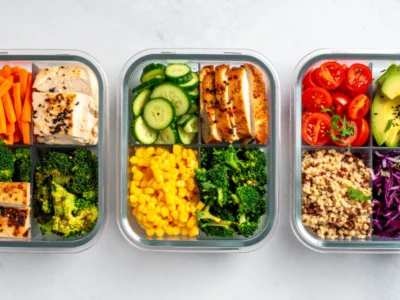
A healthy day can begin with eggs, whole-grain toast, and a cup of unsweetened green tea. This combination provides protein, fiber, and antioxidants that help you feel satisfied throughout the morning.
Lunch can include grilled chicken, brown rice, and steamed broccoli. This balanced meal provides lean protein, complex carbohydrates, and vegetables that support steady energy levels.
For an afternoon snack, plain Greek yogurt with fresh berries offers protein and fiber without excessive added sugar.
Dinner can consist of baked salmon served with roasted vegetables and quinoa. This meal delivers high-quality protein, healthy fats, and whole grains that support overall metabolic health.
If you feel hungry later in the evening, a small handful of unsalted almonds or walnuts can provide healthy fats and help keep you satisfied until morning.
Foods That May Slow Your Metabolism
While many people focus on foods that boost metabolism, it is just as important to know which foods and eating habits may work against your health goals. No single food can permanently slow your metabolism, but a poor diet over time can make it harder to maintain a healthy weight.
Sugary drinks are one of the biggest problems. They add many calories without making you feel full. Regularly drinking soda, sweetened coffee drinks, or energy drinks can lead to excess calorie intake and weight gain.
Ultra-processed foods are another concern. Chips, candy, pastries, and many packaged snacks are often high in sugar, unhealthy fats, and refined carbohydrates. These foods are usually low in fiber and protein, so they do not keep you satisfied for long.
Crash diets can also harm your progress. When you eat far too few calories for a long period, your body may slow down energy use to conserve fuel. This is one reason why many people regain weight after extreme dieting.
Drinking too much alcohol may also affect healthy eating habits and increase daily calorie intake. Choosing balanced meals and limiting highly processed foods is a smarter long-term strategy than following restrictive diet trends.
Lifestyle Habits That Support a Healthy Metabolism
The best foods that boost metabolism work even better when combined with healthy daily habits.
Regular strength training helps build and maintain muscle. Muscle tissue uses more energy than fat tissue, so keeping your muscles strong supports long-term metabolic health.
Daily movement also matters. Walking, cycling, swimming, or any activity you enjoy helps your body burn more calories and supports heart health.
Getting enough sleep is another important habit. Poor sleep can affect hunger hormones, increase cravings, and make healthy eating more difficult.
Staying hydrated is equally important. Water supports digestion, nutrient transport, and many other body functions that help your metabolism work properly.
Managing stress also plays a role. Long-term stress may affect hormones that influence appetite and food choices. Simple habits such as deep breathing, spending time outdoors, or relaxing with family and friends can help reduce stress levels.
Instead of searching for quick fixes, focus on building healthy habits that you can maintain for years.
Common Myths About Metabolism
Many myths about metabolism continue to spread online. Understanding the facts can help you make better health decisions.
One common myth is that certain foods can melt body fat overnight. In reality, no food has that power. Healthy weight loss happens through consistent eating habits, regular physical activity, and a balanced lifestyle.
Another myth is that eating every two hours automatically speeds up metabolism. Research shows that total daily nutrition is generally more important than how often you eat.
Some people also believe that skinny people always have a fast metabolism. In fact, metabolism depends on many factors, including age, muscle mass, genetics, hormones, and physical activity.
Another misconception is that supplements are better than whole foods. Most people can support their metabolism by eating a balanced diet rich in protein, vegetables, fruits, whole grains, and healthy fats. Supplements should never replace nutritious foods unless recommended by a healthcare professional.
Frequently Asked Questions
Do foods really boost metabolism?
Yes, some foods can slightly increase calorie burning by increasing the thermic effect of food or supporting thermogenesis. However, the effect is usually modest and works best alongside healthy lifestyle habits.
Which food boosts metabolism the most?
High-protein foods such as eggs, chicken, fish, Greek yogurt, beans, and lentils have some of the strongest scientific evidence because digesting protein requires more energy than digesting fats or carbohydrates.
Does green tea increase metabolism?
Green tea contains catechins and a small amount of caffeine that may slightly increase energy expenditure. Drinking unsweetened green tea can be part of a healthy eating pattern.
Is coffee good for metabolism?
Coffee may temporarily increase metabolism because of its caffeine content. Drinking it without large amounts of added sugar and cream is the healthier choice.
Can spicy foods help burn more calories?
Capsaicin in chili peppers may slightly increase thermogenesis. The effect is relatively small, but spicy foods can still be part of a healthy diet.
What foods should I avoid if I want a healthy metabolism?
Try to limit sugary drinks, highly processed foods, excessive alcohol, and crash diets. These habits can make healthy weight management more difficult over time.
Can I improve my metabolism after age 40?
Yes. Regular strength training, eating enough protein, staying active, sleeping well, and following a balanced diet can all help support a healthy metabolism as you get older.
Is drinking more water good for metabolism?
Drinking enough water supports many important body functions, including digestion and energy production. Staying hydrated is an important part of overall metabolic health.

Conclusion
Choosing the right foods that boost metabolism can support your health, but they are only one part of the picture. Protein-rich foods like eggs, salmon, chicken, Greek yogurt, and beans help your body use more energy during digestion. Green tea, coffee, ginger, and chili peppers may provide additional support, while fruits, vegetables, nuts, and seeds deliver the nutrients your body needs every day.
There is no single food that can magically burn fat or guarantee weight loss. Lasting results come from eating balanced meals, staying physically active, getting enough sleep, drinking plenty of water, and managing stress. When these healthy habits work together, they create the best environment for a strong and healthy metabolism.
If your goal is long-term weight management, focus on consistency rather than quick fixes. Small, healthy choices made every day often lead to the biggest results over time.
References
- National Institutes of Health (NIH): https://www.nih.gov/
- Office of Dietary Supplements (NIH): https://ods.od.nih.gov/
- Harvard T.H. Chan School of Public Health: https://www.hsph.harvard.edu/
- Academy of Nutrition and Dietetics: https://www.eatright.org/
- Healthline – Metabolism-Boosting Foods: https://www.healthline.com/nutrition/metabolism-boosting-foods
- UnityPoint Health – Metabolism Boosting Foods: https://www.unitypoint.org/news-and-articles/12-metabolism-boosting-foods-to-aid-weight-loss
- UPMC HealthBeat – Metabolism-Boosting Foods: https://share.upmc.com/2023/10/10-metabolism-boosting-foods-to-work-into-your-diet/
- ZOE – Foods That Boost Metabolism: https://zoe.com/learn/foods-that-boost-metabolism
- HealthXchange Singapore: https://www.healthxchange.sg/how-to-manage/weight-management/what-eat-lose-fat-boost-metabolism