
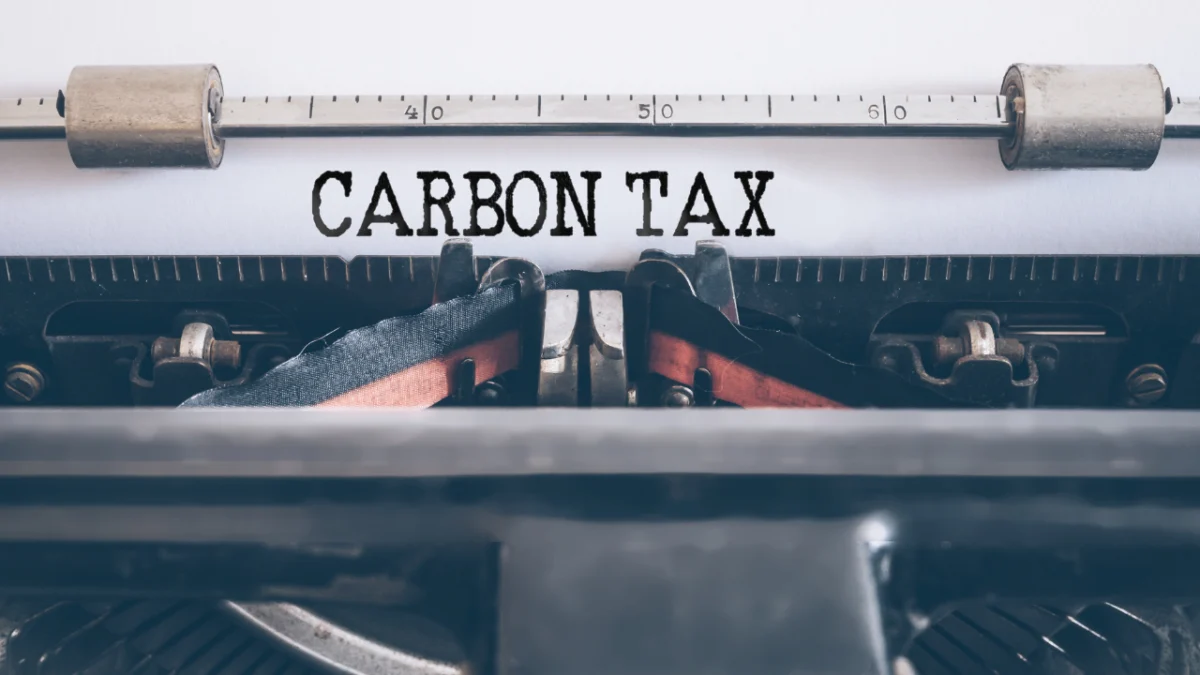
EU Carbon Tax: Real Impact on Imports and Global Markets
Understanding the EU Carbon Tax and Its Impact on Global Business
The European Union has introduced aggressive environmental rules to cut down carbon pollution and slow down global climate change. One of the most talked-about climate policies is a specialized environmental tax designed to charge foreign companies for the carbon pollution created when manufacturing their products. Understanding how the eu carbon tax works helps businesses and consumers realize how environmental laws in Europe directly shape international trade and product prices around the world.
The Core Concept Behind Carbon Border Adjustments
To understand this green strategy, you have to look at why European leaders created it in the first place. For many years, European factories had to pay high fees whenever they released greenhouse gases into the air. However, factories located in other countries did not have to pay these strict pollution fees, which made foreign goods cheaper to make and sell.
Leveling the Playing Field for European Clean Manufacturers
When local businesses face high environmental costs while foreign competitors face none, it creates an unfair market disadvantage. European companies complained that strict local laws were driving businesses away to countries with weaker environmental rules. To fix this imbalance, policymakers created a border adjustment system that places an equal pollution tax on imported goods. Now, foreign companies that want to sell items inside Europe must pay an equivalent charge based on how much carbon pollution was generated during manufacturing.
Preventing Carbon Leakage Across Borders
Carbon leakage happens when companies move their manufacturing factories out of strict countries into nations with very weak pollution laws. When factories simply move abroad, total global pollution does not decrease at all; it just shifts to a different spot on the map. By taxing imported products right at the border, the European Union removes the financial incentive for companies to move their factories abroad to dodge clean energy standards.
How Environmental Rules Connect to Broader International Agreements
Environmental taxes do not exist in isolation; they connect directly to global diplomacy, security agreements, and trade treaties. When nations negotiate environmental policy, they often have to look at past diplomatic failures and complex international negotiations to see how global agreements succeed or fail.
Learning Lessons from International Treaties
Building long-term international agreements takes continuous trust, fair rules, and honest communication between very powerful nations. When major world powers break promises or walk away from formal pacts, international trust breaks down quickly. You can see how fragile foreign agreements can be by reading about Why the Iran Nuclear Deal Failed, which shows how political shifts can cancel years of careful diplomatic negotiation.
The Importance of Diplomatic Timelines and Negotiations
Environmental laws and international treaties take many years of careful discussion before they are officially passed into law. Leaders must meet continuously to set realistic deadlines, agree on fair monitoring systems, and make sure every nation follows the rules. Tracking historical developments helps us understand how world powers make big decisions, much like studying the detailed Iran Nuclear Deal Timeline to see how multi-nation talks unfold over long periods.
Global Reaction to European Environmental Policies
Not every country is happy about new European pollution taxes on imported goods. Many developing nations argue that these environmental fees make it too expensive for their local businesses to export products into European markets.
Concerns from Export-Dependent Developing Nations
Factories in growing economies often rely on older energy grids that burn coal or oil, making their production processes more carbon-intensive. Owners of these factories argue that paying extra environmental taxes at European borders cuts into their profits and harms their local economies. Developing countries feel that wealthy nations should provide clean technology support instead of placing heavy financial taxes on foreign exports.
Encouraging Greener Industrial Practices Worldwide
Despite the criticism, European leaders believe this tax policy will encourage other countries to build their own clean energy systems. If foreign governments set up their own domestic carbon taxes, their local companies will not have to pay the extra fee when exporting goods to Europe. This policy pushes foreign manufacturers to replace fossil fuels with solar, wind, and hydro power to keep their products competitive in global markets.
Deep Look at Climate Policy, Trade Regulations, and Global Industry
European climate strategies are changing how major global industries manufacture, transport, and sell essential raw materials. As international focus turns toward reducing greenhouse gases, understanding environmental trade rules becomes important for tracking international market shifts and global supply chain decisions.
Future Developments of the EU Carbon Tax Framework
As climate strategies evolve, European policymakers plan to expand environmental tariffs across dozens of new commercial product categories. The continuous rollout of the eu carbon tax ensures that high-polluting foreign industries adapt their operations quickly or pay high entry tariffs to trade within European borders.
Targeted Industrial Sectors and Commodities
The initial phase of European carbon tariffs focuses primarily on heavy industrial commodities that produce large amounts of emissions during manufacturing. Materials like steel, aluminum, cement, fertilizers, hydrogen, and electricity face strict emissions tracking when arriving at European sea ports. Over time, regulators plan to expand these rules to cover finished goods like motor vehicles, electronics, and home appliances.
Tracking and Verifying Product Carbon Footprints
Foreign manufacturers must accurately calculate and document every unit of carbon pollution released during the production of their exported goods. Third-party auditors inspect foreign factories to verify that recorded energy data matches official environmental standards. Information about official climate regulations and emissions monitoring can be explored directly on the European Commission Climate Action portal.
Global Economic Impact and Trade Disputes
Placing tariffs on foreign goods based on environmental standards naturally creates diplomatic friction and complex international trade debates. Several large exporting nations view these environmental charges as protectionist trade barriers designed to favor local European businesses over foreign competitors.
International Trade Law and World Standards
Global trade rules established by international organizations strictly forbid countries from using unfairly biased tariffs against foreign business partners. European lawmakers argue that carbon adjustments fully comply with international trade rules because foreign and domestic goods face identical environmental costs. Detailed guidelines regarding international commercial laws and global trade rules can be reviewed through the public archives of the World Trade Organization.
Economic Adjustments in Exporting Nations
Developing countries heavily reliant on manufacturing exports face tough economic choices to stay competitive in Western markets. Governments across Asia and South America are building local carbon pricing systems to collect environmental revenues domestically rather than paying fees at foreign borders. Broad economic data and global trade projections are regularly published by the World Bank Group to help nations navigate international market shifts.
Modern Innovations in Clean Manufacturing

The push toward lower carbon emissions has accelerated investments in green technologies and clean energy infrastructure across global supply chains. Industrial manufacturers are changing how they produce foundational materials to stay clear of high carbon tariffs.
Hydrogen and Clean Energy Integration
Steel mills and chemical plants are replacing traditional coal and natural gas systems with green hydrogen generated by renewable solar and wind power. Transitioning to clean energy allows manufacturers to reduce their emissions footprint while continuing to supply global markets. International research and progress reports regarding clean energy transitions are tracked extensively by the International Energy Agency.
Supply Chain Transparency and Digital Tracking
Modern companies use advanced digital software to log environmental data at every stage of the manufacturing and shipping journey. Digital tracking gives buyers proof of how clean a product is from raw material extraction to final packaging. Global environmental standards and corporate sustainability reporting frameworks are maintained publicly by the United Nations Environment Programme.
Frequently Asked Questions
What is the main purpose of the EU carbon tax?
The main purpose is to stop carbon leakage, encourage foreign factories to switch to clean energy, and create fair competition between domestic and foreign manufacturers.
Which products are most affected by European carbon tariffs?
Heavy raw materials such as steel, aluminum, cement, fertilizers, hydrogen, and electricity are the primary industrial products targeted by initial carbon border policies.
How can foreign companies avoid paying European carbon fees?
Foreign companies can avoid paying these fees by using clean renewable energy during manufacturing or by paying equivalent carbon taxes within their home countries before exporting.
Conclusion
European environmental tariffs mark a major turning point in how international trade and environmental policy interact on the world stage. By requiring foreign manufacturers to pay for their carbon footprints, European leaders are pushing global industries toward cleaner, more sustainable manufacturing practices. While these rules present tough economic challenges for exporting nations, they also create strong incentives for widespread green energy adoption. As world markets adapt to environmental trade rules, sustainable manufacturing will remain essential for success in international business.
This article is for general information only. It is not medical, legal or financial advice, and it does not replace a qualified professional. Your own situation may differ from the examples given here. Check the facts with a trusted source or a qualified professional before you act on them.

[…] in Track and Field? Full BreakdownWhat is Athletics? Ultimate Guide, Events & Rules ExplainedEU Carbon Tax: Real Impact on Imports and Global MarketsHow US Foreign Policy Really Works and Affects the Worldpeptides for weight loss side effectsHow to […]