How Middle East Conflict Affects Oil Prices (2026 Guide)
Introduction
How Middle East Conflict Affects Oil Prices is one of the biggest questions investors, businesses, and consumers are asking in 2026. Every time tensions rise in the Middle East, global oil markets respond almost immediately. Even before oil production is affected, uncertainty alone can push crude oil prices higher and increase volatility across financial markets.
The Middle East remains one of the world’s largest energy-producing regions. Because many countries depend on its oil exports, even a small disruption can affect fuel prices, transportation costs, inflation, and the global economy.
For consumers, this may mean paying more for gasoline and everyday goods. For businesses, it can lead to higher operating costs. Investors also watch these events closely because oil prices often influence stock markets, currencies, and safe-haven assets like gold.
In this guide, you’ll learn why geopolitical tensions matter, how oil markets react, and what the latest developments could mean for the global economy in 2026 and beyond.
Why Does the Middle East Matter to Global Oil Markets?
The Middle East has remained one of the world’s most important energy-producing regions for decades. Many countries depend on its oil exports to keep factories running, transport goods, and meet daily energy needs.
Although renewable energy continues to grow, crude oil still powers much of the global economy. This makes the region a major focus whenever geopolitical tensions increase.
How Much Oil Comes From the Middle East?
Several of the world’s largest oil producers are located in the Middle East. Countries such as Saudi Arabia, Iraq, the United Arab Emirates, Kuwait, and Iran export millions of barrels of crude oil every day.
These exports help supply major economies across Asia, Europe, and other parts of the world. If production slows because of conflict or security concerns, global oil supplies can quickly become tighter.
Oil markets are highly connected. A disruption in one major producing region can influence prices in many countries, even those that do not buy oil directly from the Middle East.
Why Global Markets Watch Every Conflict
Financial markets dislike uncertainty. Investors try to estimate future risks long before any real supply shortage happens.
When news reports suggest rising military tensions, oil traders often expect possible disruptions. This expectation alone can push prices higher.
Stock markets may also become more volatile during these periods. Investors often reduce exposure to risky assets and move money into investments they believe are safer until the situation becomes clearer.
This is why even a limited regional conflict can influence oil prices around the world.
Understanding the Strait of Hormuz
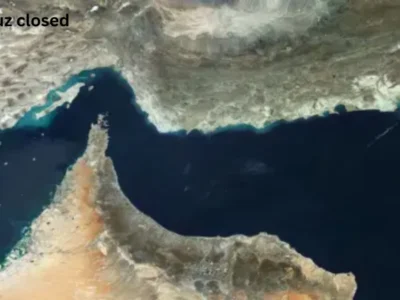
One of the biggest reasons the Middle East remains so important is the Strait of Hormuz. It is one of the busiest energy shipping routes in the world and serves as a critical gateway for global oil exports.
Every day, large numbers of oil tankers pass through this narrow waterway before reaching international markets.
Because so much energy moves through this route, any disruption immediately attracts worldwide attention.
Why This Waterway Is So Important
The Strait of Hormuz connects oil-producing countries in the Persian Gulf with global shipping lanes.
Millions of barrels of crude oil travel through this passage every day. If tanker traffic slows, buyers may worry that future supplies could become limited.
Even when exports continue, uncertainty about shipping conditions can increase pressure on oil prices.
This is why governments, energy companies, and investors closely monitor developments around the Strait throughout the year.
What Happens If Shipping Is Disrupted?
Shipping disruptions do not always mean the waterway is completely closed.
Sometimes shipping companies face longer inspection times, higher insurance costs, or security concerns that slow deliveries.
When transportation becomes more expensive, the additional costs are often reflected in oil prices.
Markets also react to the possibility of future delays. As a result, prices may rise even if physical oil supplies remain available.
How War Creates Uncertainty in Oil Markets
Oil prices are influenced by supply, demand, and market expectations. During a conflict, expectations often change first.
When uncertainty increases, traders begin adjusting prices based on possible future events rather than current conditions.
This explains why oil prices sometimes move sharply before any confirmed production losses occur.
Supply Disruptions
Military conflicts can threaten oil fields, export terminals, pipelines, or transportation networks.
Even temporary interruptions may reduce the amount of oil reaching global markets.
If buyers believe supplies could become tighter, competition for available crude oil increases, which can lead to higher prices.
Countries may also delay exports until security conditions improve, adding more uncertainty to the market.
Fear and Market Psychology
Market psychology plays a major role in oil trading.
Investors do not wait until a crisis becomes severe before reacting. Instead, they respond to headlines, government statements, and changes in regional security.
This creates what many analysts call a risk premium. Buyers are willing to pay more because they expect future supply problems, even if production has not yet declined.
As confidence changes, oil prices can move rapidly in either direction.
Understanding this behavior helps explain why geopolitical events often influence energy markets faster than many other sectors of the global economy.
How Higher Oil Prices Affect Inflation
Higher oil prices affect much more than the cost of fuel. Oil is used in transportation, manufacturing, farming, and power generation. When crude oil becomes more expensive, businesses usually face higher operating costs. Many companies pass these extra costs on to customers, leading to higher prices for everyday goods and services.
Inflation often rises because energy is connected to almost every part of the economy. Even if people do not buy oil directly, they still feel its impact through food, transport, and household expenses.
Higher Fuel Costs
Fuel prices are usually among the first things people notice after oil prices increase. Gasoline, diesel, and aviation fuel become more expensive, raising travel and transportation costs for both individuals and businesses.
Higher fuel costs also increase the expenses of delivery companies, public transport, and logistics providers. As transportation becomes more expensive, the price of many products also begins to rise.
Food Prices and Daily Living Costs
Modern agriculture depends heavily on energy. Farmers use fuel to operate machinery, irrigate fields, and transport crops. Food manufacturers also rely on energy during processing and packaging.
When oil prices rise, these higher production costs often lead to more expensive groceries. Products such as grains, vegetables, dairy, and packaged foods may all become more costly over time.
For households, this means spending more on daily essentials, which reduces overall purchasing power.
Impact on Global Stock Markets
Financial markets usually react quickly to geopolitical uncertainty. Rising oil prices can create both opportunities and risks depending on the industry.
Some sectors may benefit from stronger energy prices, while others struggle with rising operating costs and lower consumer demand.
Energy Companies
Oil and gas companies often perform better when crude oil prices increase. Higher prices can improve revenue and profitability, especially for businesses involved in oil production, exploration, and energy services.
Because of this, investors sometimes shift their attention toward the energy sector during periods of geopolitical tension.
However, company performance still depends on production levels, operating costs, and broader market conditions.
Airlines and Transportation
Airlines are among the industries most affected by higher fuel prices. Fuel is one of their largest operating expenses, so even a moderate increase in oil prices can reduce profit margins.
Shipping companies, trucking businesses, and logistics providers also face higher transportation costs. Some companies may increase prices to protect profits, while others may absorb part of the additional expense.
Manufacturers can also experience pressure because raw materials and finished products become more expensive to transport.
What Happens to Gold During Conflict?
Gold has traditionally been viewed as a safe-haven asset during periods of uncertainty. When investors become concerned about geopolitical risks or economic instability, they often increase their exposure to gold.
This higher demand can support gold prices while many other financial assets experience increased volatility.
Why Investors Buy Gold
Gold is often seen as a store of value during uncertain times. Unlike many financial assets, it is not directly linked to the performance of a single company or economy.
When inflation rises or financial markets become unstable, some investors buy gold to help protect the value of their portfolios.
Although gold prices can still fluctuate, it has historically attracted attention during periods of global uncertainty.
Safe-Haven Assets Explained
Safe-haven assets are investments that investors believe may hold their value during economic or political uncertainty.
Besides gold, investors sometimes move toward government bonds or strong currencies when market risks increase.
This shift in investment behavior can reduce demand for riskier assets such as growth stocks, leading to greater market volatility.
How Cryptocurrency Markets React
Cryptocurrency markets often respond differently from traditional financial markets. Digital assets can experience large price swings when global uncertainty increases.
Some investors reduce their exposure to cryptocurrencies because they view them as higher-risk investments. Others see digital assets as an alternative during periods of inflation or currency weakness.
The overall market reaction depends on investor confidence and broader economic conditions.
Bitcoin During Global Crises
Bitcoin has shown mixed performance during past geopolitical events. In some cases, it has declined alongside stock markets as investors moved toward lower-risk assets.
In other situations, Bitcoin has attracted buyers who believe it offers an alternative to traditional financial systems.
Its response depends on market sentiment, liquidity, and the level of global uncertainty at the time.
Risk-On vs Risk-Off Markets
Investor sentiment often changes during geopolitical crises.
In a risk-on environment, investors are more willing to buy assets with higher growth potential, including stocks and cryptocurrencies.
In a risk-off environment, investors usually focus on preserving capital. They may shift toward assets such as gold, government bonds, or cash while reducing exposure to more volatile investments.
Understanding this change in sentiment helps explain why financial markets can move rapidly when geopolitical tensions increase.
Lessons From Previous Oil Crises
History shows that geopolitical conflicts can change oil markets within a very short time. Every major energy crisis has affected oil prices, inflation, investor confidence, and economic growth. While every event is different, past crises help explain how markets may respond to future conflicts.
Looking at previous events also reminds investors that markets usually react first to uncertainty and then adjust as more information becomes available.
The 1973 Oil Crisis
The 1973 oil crisis remains one of the biggest energy shocks in modern history. Several oil-exporting countries reduced supplies, causing global oil prices to rise sharply.
Many economies experienced high inflation, slower economic growth, and rising unemployment. Fuel shortages also affected transportation and industrial production in several countries.
The crisis showed how closely the global economy depends on stable energy supplies.
The Gulf War
The Gulf War in 1990 created fresh concerns about oil production in the Middle East. As uncertainty increased, crude oil prices moved higher because traders feared supply disruptions.
Although prices later stabilized as production recovered, the conflict demonstrated how quickly geopolitical events can influence global energy markets.
Governments also learned the importance of maintaining strategic oil reserves to reduce the impact of future supply shocks.
The Russia–Ukraine War
The Russia–Ukraine war created another major challenge for global energy markets. Sanctions, trade restrictions, and supply concerns increased volatility across oil and natural gas markets.
Many countries experienced higher fuel prices and rising inflation. Businesses faced increasing transportation and production costs, while central banks responded by tightening monetary policy.
The conflict highlighted how geopolitical risks outside the Middle East can also reshape global energy markets.
What Investors Should Watch
During periods of geopolitical uncertainty, investors should focus on reliable economic indicators instead of reacting to daily headlines.
Understanding these indicators can help explain why oil prices move and how broader financial markets may respond.
OPEC Decisions
Production decisions by OPEC and its partner countries remain one of the biggest influences on global oil prices.
If producers decide to increase output, additional supply may help reduce upward pressure on prices.
If production remains limited while demand stays strong, oil prices may continue to rise.
Investors closely monitor official announcements because even small policy changes can influence market expectations.
Inflation Reports
Inflation reports help measure how rising energy prices are affecting the wider economy.
If inflation continues to increase because of higher fuel costs, central banks may delay interest rate cuts or keep borrowing costs higher for longer.
These decisions can influence consumer spending, business investment, and overall economic growth.
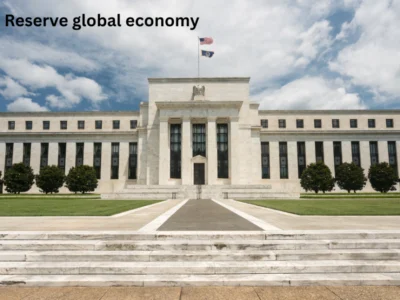
Federal Reserve Policies
The U.S. Federal Reserve plays an important role in global financial markets.
When inflation remains above target, the Federal Reserve may maintain higher interest rates to control price growth.
Higher borrowing costs can slow economic activity and affect stock markets, housing, and business investment.
Because of its global influence, investors around the world pay close attention to Federal Reserve policy announcements.
Possible Future Scenarios
No one can predict exactly how geopolitical conflicts will develop. However, analysts often consider several possible outcomes based on the length and intensity of a conflict.
Limited Conflict
If tensions remain contained and oil production continues without major disruption, oil prices may rise only for a short period.
Financial markets could experience temporary volatility before stabilizing as uncertainty decreases.
Regional Escalation
If fighting spreads across the region and affects energy infrastructure or shipping routes, oil prices could remain elevated for a longer time.
Higher energy costs may increase inflation, reduce consumer spending, and place additional pressure on global economic growth.
Investors may also increase demand for traditional safe-haven assets.
Major Energy Crisis
A severe disruption to oil production or exports could create a significant global energy shortage.
Oil prices could rise sharply, increasing transportation costs, manufacturing expenses, and household energy bills.
Under this scenario, many economies could experience slower growth, persistent inflation, and greater financial market volatility.
Expert Outlook
Economists generally agree that the long-term impact of any conflict depends on how quickly energy supplies recover and how governments respond.
Strong international cooperation, stable oil production, and secure shipping routes can help reduce pressure on global markets.
At the same time, businesses and investors continue to monitor economic data because market conditions can change rapidly during periods of geopolitical uncertainty.
What the IMF Says
The International Monetary Fund often highlights that higher energy prices can weaken global economic growth by increasing inflation and reducing household purchasing power.
The organization also notes that prolonged geopolitical uncertainty may affect trade, investment, and financial stability across many regions.
What the IEA and OPEC Monitor
Energy organizations closely watch global oil production, inventory levels, demand trends, and shipping activity.
They also monitor spare production capacity, which can help offset temporary supply disruptions if major producers decide to increase output.
These indicators provide valuable insights into the future direction of oil prices and overall energy market stability.
Frequently Asked Questions (FAQs)
Why do oil prices rise during a Middle East conflict?
Oil prices often rise because markets expect possible supply disruptions. Even if production continues normally, concerns about damaged infrastructure, shipping delays, or reduced exports can increase uncertainty. Traders usually add a risk premium to crude oil prices, causing them to move higher before any actual supply shortage occurs.
Can a Middle East conflict increase inflation?
Yes. Higher oil prices can increase the cost of transportation, manufacturing, farming, and electricity generation. As businesses face higher operating costs, many pass those expenses on to consumers through higher prices for goods and services, contributing to inflation.
Which countries are most affected by higher oil prices?
Oil-importing countries are usually affected the most because they must spend more on energy imports. Higher import costs can increase inflation, weaken local currencies, and slow economic growth. Oil-exporting countries, however, may benefit from stronger export revenues if production remains stable.
Will gasoline prices increase if oil prices rise?
In many cases, yes. Crude oil is the primary raw material used to produce gasoline and diesel. When crude oil prices increase, fuel prices often follow, although taxes, refining costs, and local market conditions also influence the final price consumers pay.
How do investors usually react during geopolitical conflicts?
Investors often become more cautious during periods of uncertainty. Many reduce exposure to higher-risk investments and move toward assets that are traditionally viewed as more stable, such as gold or government bonds. Market volatility may also increase until the geopolitical situation becomes clearer.
Can oil prices reach record highs during a major conflict?
It is possible, but the outcome depends on several factors. The duration of the conflict, the level of supply disruption, global demand, and the response of major oil-producing countries all influence how high oil prices may rise. Short-term price spikes are common, while long-term increases usually require a significant disruption to global supplies.
What role does OPEC play during an oil crisis?
OPEC regularly monitors global oil supply and demand. If market conditions become unstable, member countries may adjust production levels to help balance the market. However, any decision depends on economic conditions, available production capacity, and the broader outlook for global energy demand.
Should businesses prepare for higher energy costs?
Businesses that rely heavily on transportation, logistics, or manufacturing should monitor energy markets closely. Rising fuel prices can increase operating expenses and affect profit margins. Many companies prepare by improving energy efficiency, managing supply chains carefully, and reviewing pricing strategies.
Key Takeaways
- The Middle East remains one of the world’s most important oil-producing regions.
- Geopolitical conflicts can increase oil prices even before supplies are disrupted.
- Higher oil prices often lead to higher inflation and increased business costs.
- Financial markets usually become more volatile during periods of geopolitical uncertainty.
- Energy companies may benefit from rising oil prices, while transportation and manufacturing sectors often face additional pressure.
- Investors closely monitor OPEC decisions, inflation data, central bank policies, and global shipping routes.
- Historical events show that uncertainty alone can influence energy markets, even when production remains stable.
- Understanding global energy markets helps consumers, businesses, and investors make more informed financial decisions.
Conclusion
Understanding how Middle East conflict affects oil prices is important because the impact extends far beyond the energy sector. Oil remains a critical part of the global economy, influencing transportation, manufacturing, food production, and household expenses. As a result, geopolitical tensions in the region can quickly affect businesses, investors, and consumers around the world.
While every conflict is different, history shows that uncertainty alone can move financial markets. Concerns about oil production, shipping routes, or regional stability often influence crude oil prices long before any actual supply disruption occurs. These market reactions can contribute to higher inflation, increased operating costs, and greater economic uncertainty.
For investors, following reliable economic indicators such as oil production data, inflation reports, central bank decisions, and OPEC announcements is often more valuable than reacting to daily headlines. For businesses, preparing for changing energy costs can help reduce financial risks during periods of market volatility.
Although no one can predict future geopolitical events with certainty, understanding the relationship between conflict, energy markets, and the global economy helps readers make better-informed decisions. Staying informed through trusted sources and focusing on long-term economic trends remains the best approach during uncertain times.