America’s 250th Anniversary: Can a Divided Nation Celebrate Together?
Have you ever thought that a national holiday could become a political battleground? America’s 250th anniversary, which falls on July 4, 2026, is experiencing exactly that. While there are fireworks, parades, and scenes of national pride, a new Gallup poll released this week shows that Americans’ level of pride in their country has reached its lowest level in 25 years. The day that was meant to unite the country has become a reflection of the greatest political divide.
Why two separate celebrations for America’s 250th anniversary?

What is most surprising is that two separate entities are in the fray to celebrate this milestone. In 2016, Congress created a nonpartisan, bipartisan commission, America250, which aimed to bring the entire nation together for a comprehensive, apolitical celebration. But after President Trump returned to office in 2025, a new entity, Freedom 250, was established, which is organizing events according to the president’s own vision.
The result is that Washington currently has plans for a UFC fight on the White House lawn, a massive “Great American State Fair” on the National Mall, and a triumphal arch, while other events include concerts and a time capsule to be opened in 2276. Several artists have pulled out of Trump-related concerts due to political overtones, and several Democratic states have refused to participate in the State Fair. Instead of a unified national celebration, America’s 250th anniversary has become a battle of two competing narratives.
What the data says: The declining rate of American pride
If it were just ideological differences, it might not be such a concern, but according to a recent Gallup poll, only 33 percent of Americans describe themselves as “very proud” — the lowest rate since 2001, and a drop of eight percentage points from last year, one of the largest annual changes in the survey’s history.
When it comes to party divisions, the difference is striking:
- 70% of Republicans say they are very proud.
- Only 28% of independents say they are.
- Only 14% of Democrats feel that way.
This 56 percentage point difference is not just a simple disagreement, but a deep gulf. Similarly, according to a Time magazine report, various surveys also show that a majority of Americans believe that the country’s “best days” are behind it, and that the “American Dream” is no longer as achievable as it once was.
Racial and class differences: Is politics the only reason?
Interestingly, this division is not limited to party lines. White Americans are far more likely to be proud than non-white Americans, according to statistics, and younger generations, especially Generation Z, express less pride than their elders. Economic pressures, rising housing prices, and stagnant wages are also adding to this discontent. One black activist recently expressed his feelings, saying that this year feels more like mourning than celebration. Historians are also noting a trend where people are now asking who should claim the revolution of independence, rather than everyone collectively claiming it as their own.
The Lesson of 1976: When Birthdays Were Above Politics
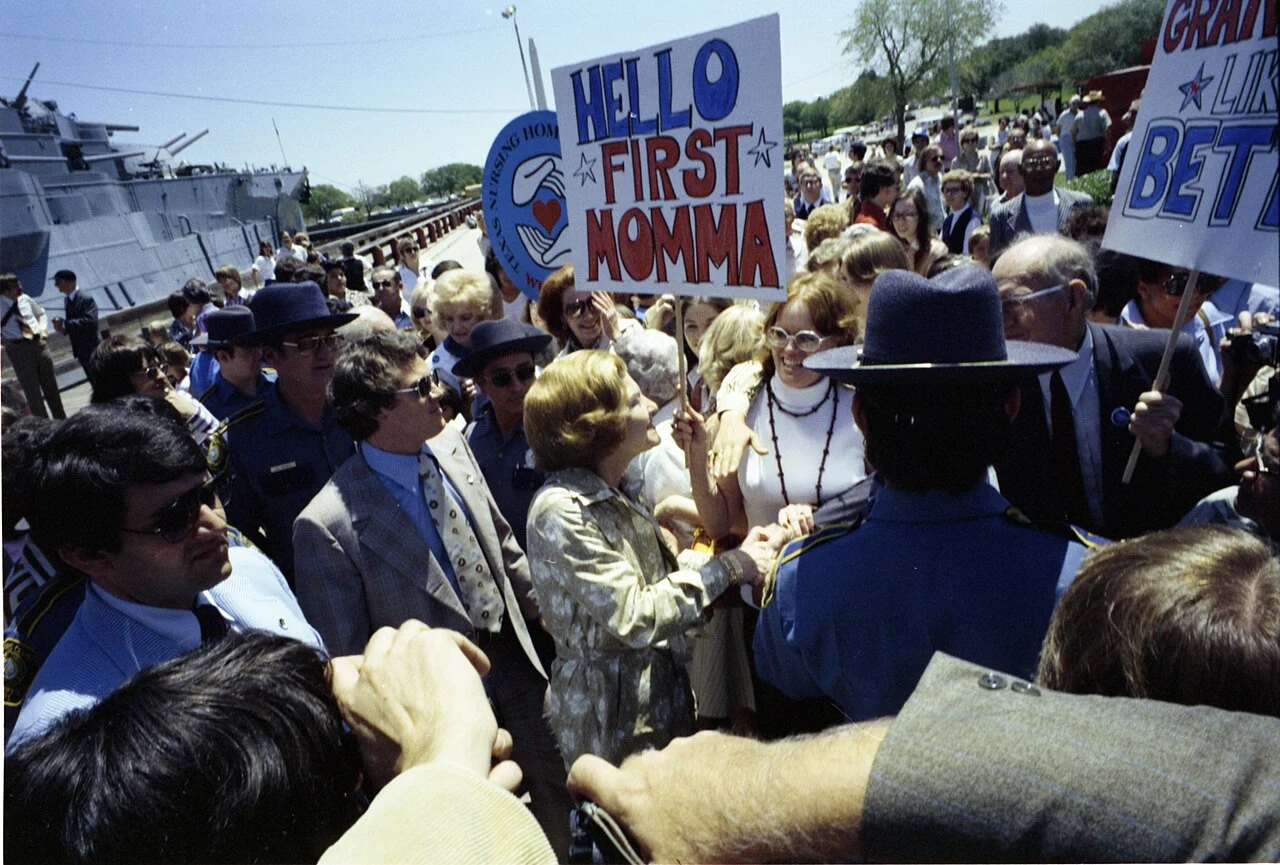
The 1976 bicentennial is a useful example of this division. President Gerald Ford, who addressed a simple but dignified ceremony in Philadelphia, did not use the occasion for personal political gain. Nearly a million people gathered on the National Mall, but they came together not as Republicans or Democrats, but simply as Americans. Today, fifty years later, the same simplicity and unity seem hard to find.
Is there any ray of hope left?

The good news is that despite the political divide, the majority of Americans still plan to celebrate July 4th — according to the survey, nearly 80 percent of people, including 91 percent of Republicans and 76 percent of Democrats, will celebrate the day in some form. Perhaps true patriotism doesn’t mean agreeing with the president, but rather loving your country enough to want to make it better. Home barbecues, neighborhood parades, and family reunions can be small but meaningful moments where unity is possible, even without political color.
Authoritative sources for more information (resource links)
The data and analysis included in this report have been obtained from the following reliable sources. For more detailed study, these links can be visited:
Gallup’s full survey news.gallup.com
Time magazine analysis time.com
US News report usnews.com
The Hill’s coverage thehill.com
Analysis of Real Clear Politics realclearpolitics.com