Extreme Weather 2026: Has the world entered a new dangerous weather era?
Extreme weather has become more than just a weather term in the past few years, but a reality for the world. Record-breaking heat waves, devastating storms, severe droughts, wildfires, and billions of dollars in economic losses in the United States, Europe, and Canada show that the old weather normal is changing rapidly. The question is not whether the weather is changing, but whether we are ready for this new reality.
What is Extreme Weather 2026 and why is the whole world concerned?
Record-breaking heat creates new dangers
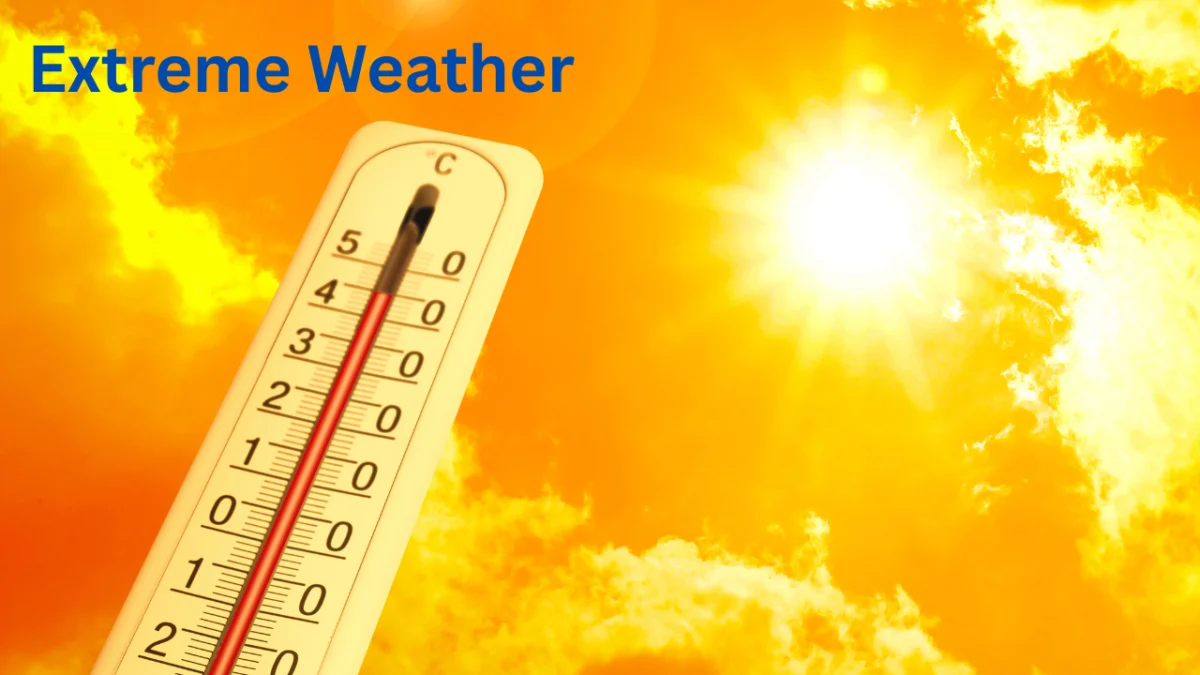
Record-breaking temperatures around the world in 2026 have raised concerns among meteorologists and health officials. Extreme Weather is no longer a problem limited to a few countries, but has become a global reality. The intensity of heat in many regions, including the United States, Europe and Canada, broke decades-old records, resulting in increased pressure on public health, the economy, agriculture and infrastructure.
Temperatures in the US capital, Washington, D.C., reached 102 degrees Fahrenheit (38.9 degrees Celsius), while unusual heatwaves disrupted life in several European countries. Temperatures in France reached 43.8 degrees Celsius, in Germany 41.7 degrees Celsius and in the United Kingdom 37.7 degrees Celsius during June, which were significantly higher than previous records. According to experts, these figures indicate that extreme heat is no longer a temporary weather event but is becoming part of the long-term effects of climate change.
The effects of extreme heat are not limited to just rising temperatures. Heatstroke, dehydration, increased heart and respiratory diseases, increased demand for electricity, pressure on water resources, and the risk of wildfires are also links in this chain. The elderly, children, workers working outdoors, and those with pre-existing health conditions are particularly affected by this situation.
Experts say that concrete buildings, less greenery, and a growing urban population in urban areas exacerbate the effects of heat. For this reason, temperatures in many major cities remain higher than normal even at night, which prevents people from getting proper rest and increases health problems.
If the current trend continues, Extreme Weather events may become more severe and more frequent in the future. This is why international organizations are recommending that governments increase investment in heat protection projects, effective water management, tree planting in urban areas, early warning systems, and climate adaptation to protect human lives and the economy from potential losses.
Severe storms continue to grow in the United States
The increasing effects of Extreme Weather are not limited to extreme heat, but the incidence of powerful storms, tornadoes, hail and high winds in the United States is also increasing. In the early months of 2026, severe weather systems that hit different parts of the country caused billions of dollars in damage, affected thousands of homes and businesses, and severely disrupted the daily lives of millions of people.
According to reports, severe weather activities were recorded in 43 states and Washington, D.C. in the first two weeks of June 2026. More than 3,590 severe weather events were reported in this short period, including about 2,901 high wind events, 174 tornadoes and several large hail events. At the same time, a powerful Derecho storm severely affected the power system in several areas, including Wisconsin and Illinois, resulting in about 400,000 customers losing power.
Not only in the summer season, but also in the winter, the United States faced unusual weather disasters. Winter Storm Fern, which hit in January 2026, swept across 14 states from Texas to Massachusetts. It is estimated that this single storm caused about $4 billion in insured losses, making it one of the costliest winter storms in U.S. history.
Meteorologists say that rising temperatures are increasing the amount of moisture and energy in the atmosphere, which increases the likelihood of severe thunderstorms, hail, and tornadoes. This is why the United States has seen a significant increase in both the intensity and number of Severe Convective Storms in recent years.
The economic impact of these weather disasters is also very serious. According to insurance companies, insured losses from severe storms had exceeded $22 billion by mid-2026 alone. The ever-increasing losses indicate that Extreme Weather is no longer just a climatic challenge for the United States, but a major economic, social, and infrastructure crisis, for which long-term planning and effective climate strategies have become essential.
Why did Europe become the world’s fastest-warming continent?
Europe is currently one of the regions most affected by the global impacts of extreme weather. According to experts, Europe is the continent in the world that is warming almost twice as fast as the global average. Rising temperatures, prolonged heatwaves, droughts, heavy rainfall and sudden storms indicate that climate change is now having a profound impact on Europe’s environment, economy and public health.
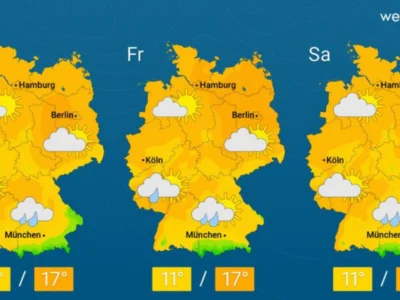
Temperatures in several European countries broke decades-old records during 2026. Temperatures were recorded at 43.8 degrees Celsius in France, 41.7 degrees Celsius in Germany, 42 degrees Celsius in Hungary, 39.4 degrees Celsius in the Netherlands and 37.7 degrees Celsius in June in the United Kingdom. The fact that the United Kingdom recorded above-average temperatures in every month of the year except January is a clear example of this unusual weather trend.
The heatwave was compounded by torrential rains and powerful storms in several parts of Europe. Severe storms in Austria and Romania caused loss of life and property, while flash floods in the Romanian capital Bucharest caused severe damage to homes, roads and vehicles. Similarly, firefighters in and around Munich, Germany, received around 150 emergency calls overnight, underscoring the severity of the extreme weather conditions.
According to the World Health Organization (WHO), more than 1,300 additional heat-related deaths were reported in Europe in the last week of June 2026, with more than 800 people in Germany alone having lost their lives to heat-related causes since the start of the year. At least 40 people also died in various drowning incidents in France during the heatwave, reflecting the indirect effects of the heatwave.
On the other hand, the extreme heat has also affected water resources and the agricultural sector in Europe. The water level of Hungary’s famous Lake Velence has dropped to just 47 centimeters, which is being described as the lowest level in history. Farmers in many countries, including Poland, are facing crop losses due to drought and expensive irrigation systems, which is also putting pressure on food production and the agricultural economy.
Meteorologists say that rapid warming in the Arctic region, Europe’s geographical location, changing air pressure systems and increasing emissions of greenhouse gases have made the continent more vulnerable to the effects of climate change. If carbon emissions are not effectively reduced globally, Extreme Weather events will become more severe, which may cause Europe to face greater challenges in the health, economy, water and food sectors in the future.
- World Meteorological Organization (WMO)
https://wmo.int/ - Copernicus Climate Change Service (C3S)
https://climate.copernicus.eu/ - European Environment Agency (EEA)
https://www.eea.europa.eu/ - World Health Organization (WHO) – Climate Change
https://www.who.int/health-topics/climate-change - NASA Climate Change
https://science.nasa.gov/climate-change/ - NOAA Climate.gov
https://www.climate.gov/ - Intergovernmental Panel on Climate Change (IPCC)
https://www.ipcc.ch/ - Munich Re – Natural Catastrophes
https://www.munichre.com/ - Swiss Re Institute
https://www.swissre.com/institute.html - Pew Research Center – Climate & Weather Research
https://www.pewresearch.org/