
Saving vs Investing: Key Differences, Pros, Risks, and Which Is Better in 2026
Money management is one of the most important skills you can develop, and understanding saving vs investing is the first step toward making smarter financial decisions. Many people think saving and investing are the same, but they serve different purposes. Saving helps protect your money for short-term needs and emergencies, while investing helps your money grow over time to achieve long-term financial goals. Choosing the right approach depends on your timeline, risk tolerance, and financial priorities.
Whether you’re building an emergency fund, planning to buy a home, paying for education, or preparing for retirement, knowing when to save and when to invest can make a significant difference. In reality, most people benefit from using both strategies together rather than choosing one over the other.
In this guide, you’ll learn the key differences between saving and investing, their advantages and disadvantages, and how each fits into a strong financial plan.

What Is Saving?
Saving means setting aside money in a safe and easily accessible place so you can use it when needed. The primary goal of saving is to protect your money rather than grow it significantly. Savings are typically kept in bank accounts or other low-risk financial products where the value of your money remains stable.
People save for many reasons, including emergency expenses, vacations, home repairs, education costs, or major purchases. Because savings are designed for short-term or unexpected needs, they should be easy to access without penalties or large risks.
Definition of Saving
Saving is the process of putting aside a portion of your income instead of spending it immediately. The money is usually stored in a savings account, high-yield savings account, or certificate of deposit (CD), where it earns a small amount of interest while remaining relatively secure.
Unlike investments, savings are not intended to generate high returns. Instead, they provide financial security and peace of mind during unexpected situations.
Why Saving Matters
Saving creates a strong financial foundation. Life is unpredictable, and unexpected expenses such as medical bills, car repairs, or temporary job loss can happen at any time. Having money set aside helps you handle these situations without relying on credit cards or expensive loans.
Savings also reduce financial stress. Knowing that you have money available for emergencies allows you to make better financial decisions without feeling pressured by short-term problems.
For most financial experts, building an emergency fund is one of the first steps before starting an investment strategy.
Common Places to Save Money
There are several safe options for keeping your savings. Traditional savings accounts are the most common because they offer easy access to your funds. High-yield savings accounts generally provide better interest rates while maintaining liquidity.
Certificates of deposit (CDs) may offer higher returns than regular savings accounts, but they usually require you to keep your money locked in for a specific period. Money market accounts are another option that combines competitive interest rates with limited transaction flexibility.
Each option serves different financial goals, but they all prioritize preserving your money rather than achieving substantial growth.
Benefits of Saving
One of the biggest advantages of saving is safety. Deposits held at insured financial institutions are generally protected up to applicable insurance limits, making savings one of the lowest-risk ways to manage money.
Another major benefit is liquidity. Most savings accounts allow quick access to your funds whenever an emergency arises. This flexibility makes savings ideal for short-term goals, including vacations, home improvements, or planned purchases within the next few years.
Saving also encourages healthy financial habits. Setting aside money consistently builds discipline and creates a stronger financial foundation before taking on higher-risk investments.
Limitations of Saving
Although saving is essential, it has limitations. Interest rates on savings accounts are often lower than inflation over long periods. This means the purchasing power of your money may gradually decline even if your account balance increases.
Savings also provide limited opportunities for wealth creation. While your money remains protected, it typically grows much more slowly than long-term investments such as stocks or diversified funds.
For this reason, relying only on savings may not be enough to achieve long-term goals like retirement or financial independence.
What Is Investing?
Investing means putting your money into assets that have the potential to increase in value over time. Instead of focusing on protecting your money, investing aims to grow your wealth through returns such as capital appreciation, dividends, or interest.
Unlike savings, investments involve risk. Market values can rise and fall, and short-term losses are possible. However, history shows that diversified long-term investing has generally produced higher returns than traditional savings accounts.
Definition of Investing
Investing is the process of purchasing financial assets with the expectation that they will generate income or increase in value over time.
Common investments include stocks, bonds, mutual funds, exchange-traded funds (ETFs), real estate, and retirement accounts. Each investment has its own level of risk and potential reward.
Successful investing usually requires patience, discipline, and a long-term perspective rather than trying to make quick profits.
How Investing Works
When you invest, your money is used to buy assets that may appreciate over time. For example, purchasing shares of a company means you own a small part of that business. If the company grows successfully, the value of your investment may increase.
Many investments also generate additional income. Some companies pay dividends to shareholders, while bonds provide regular interest payments.
Over time, reinvesting these earnings can create compound growth, where your investment earns returns on both your original money and previous gains. This compounding effect is one of the most powerful reasons to invest for long-term financial goals.
Common Types of Investments
There are many ways to invest depending on your goals and risk tolerance.
Stocks offer ownership in companies and provide significant long-term growth potential, although prices can fluctuate considerably.
Exchange-traded funds (ETFs) and index funds allow investors to own a diversified collection of assets, helping reduce the risk associated with individual stocks.
Bonds are generally considered less risky than stocks and provide regular income through interest payments.
Real estate offers another investment opportunity through property appreciation and rental income, while mutual funds allow professional managers to invest on behalf of multiple investors.
Diversifying across different asset classes helps reduce overall investment risk while improving long-term growth potential.
Benefits of Investing
The greatest advantage of investing is the opportunity to build long-term wealth. Historically, diversified investments have generated returns that significantly outperform standard savings accounts over extended periods.
Investing also helps combat inflation. As prices rise over time, investments have the potential to increase in value, preserving or improving your purchasing power.
Another important benefit is compound growth. The longer your money remains invested, the greater the potential impact of reinvested earnings.
Investing can also help achieve major financial goals such as retirement, buying a home, funding children’s education, or achieving financial independence.
Risks of Investing
Every investment carries some level of risk. Market prices can fluctuate because of economic conditions, interest rates, inflation, company performance, or global events.
Short-term losses are normal, and investors who panic during market downturns often make costly mistakes by selling too early.
Different investments involve different levels of risk. Stocks tend to be more volatile than bonds, while diversified portfolios generally reduce the impact of individual market movements.
Understanding your financial goals, investment timeline, and personal risk tolerance is essential before choosing any investment strategy.
Saving vs Investing: What’s the Difference?
Although both strategies help improve your financial future, they serve different purposes.
Saving focuses on protecting money for short-term goals and emergencies. Investing focuses on growing wealth for long-term objectives.
Generally, savings provide stability and easy access, while investments offer higher potential returns in exchange for greater risk.
Comparison Table
| Feature | Saving | Investing |
|---|---|---|
| Primary Goal | Protect money | Grow wealth |
| Risk | Very Low | Low to High |
| Returns | Low | Moderate to High |
| Best Time Horizon | Short-term | Long-term |
| Liquidity | High | Varies by investment |
| Inflation Protection | Limited | Better long-term potential |
Liquidity
Savings accounts provide immediate or near-immediate access to your money, making them ideal for emergencies and planned short-term expenses.
Investments may require selling assets before accessing cash, and their value may fluctuate at the time of sale.
Risk Level
Saving carries minimal risk because deposits are generally protected within applicable insurance limits.
Investing involves market risk, meaning the value of your portfolio can increase or decrease over time.
Expected Returns
Savings accounts typically generate modest interest.
Investments have historically produced higher long-term returns, although past performance never guarantees future results.
Time Horizon
Saving works best for goals within the next few months or years.
Investing is generally more suitable for goals that are at least five years away, giving your portfolio time to recover from short-term market fluctuations.
Inflation Protection
Inflation gradually reduces the purchasing power of cash held in savings accounts.
Well-diversified investments have historically provided stronger protection against inflation over the long term because many assets tend to appreciate as economies grow.
Why Understanding Saving vs Investing Matters
Making the right financial decisions begins with understanding when each strategy should be used. Saving and investing are not competing ideas—they complement one another.
Building Financial Stability
Savings create a financial safety net that helps you manage unexpected expenses without borrowing money. This stability allows you to invest with greater confidence because you know your short-term needs are already covered.
Reaching Long-Term Goals
Long-term objectives such as retirement, financial independence, or building generational wealth usually require investment growth. Saving alone may not provide enough returns to reach these goals because inflation can reduce the value of idle cash over time.
Avoiding Common Financial Mistakes
Many people either invest too early without an emergency fund or save too much without allowing their money to grow. Understanding the differences between saving and investing helps you strike the right balance, reduce unnecessary risks, and build a financial plan that supports both your present needs and your future goals.
When Should You Save or Invest? A Practical Guide
Choosing between saving vs investing is not always an either-or decision. The best strategy depends on your financial goals, the amount of time before you need the money, and your ability to handle risk. In many situations, saving and investing work together to create a balanced financial plan. Understanding when to use each strategy can help you protect your finances today while building wealth for the future.
When Should You Save Instead of Invest?
Saving is usually the better choice when you need your money in the near future or when financial security is your top priority. Since savings are stable and easily accessible, they help you prepare for expected and unexpected expenses without worrying about market fluctuations.
Emergency Fund
Before investing, building an emergency fund should be your first financial goal. Unexpected events such as medical emergencies, car repairs, home maintenance, or temporary unemployment can happen without warning.
A common recommendation is to keep three to six months’ worth of essential living expenses in an easily accessible savings account. This emergency fund acts as a financial safety net and prevents you from selling investments during a market downturn when their value may be lower.
Having emergency savings also gives you confidence to invest for long-term goals because you know your short-term financial needs are already covered.
Short-Term Financial Goals
Saving is generally the smarter option when you expect to use your money within the next one to three years. Because the investment market can be unpredictable in the short term, keeping money in a savings account reduces the risk of losing value before you need it.
Examples of short-term goals include planning a vacation, purchasing furniture, paying tuition, replacing household appliances, or buying a vehicle. These goals require stability rather than high investment returns.
Major Upcoming Expenses
If you are preparing for a significant expense in the near future, protecting your money becomes more important than trying to maximize returns.
Examples include:
- A home down payment within two years
- Wedding expenses
- Medical procedures
- Starting a small business soon
- Relocating to another city
Keeping these funds in a secure savings account helps ensure they will be available when needed.

When Should You Invest Instead of Save?
While saving protects your money, investing helps it grow. If your financial goals are several years away, investing generally offers greater opportunities to build wealth despite short-term market fluctuations.
Retirement Planning
Retirement is one of the most common reasons people invest. Because retirement often occurs decades after someone begins working, investors have time to benefit from long-term market growth and compound returns.
Starting early can make a significant difference. Even small monthly contributions have more time to grow through compounding, allowing your investments to potentially generate returns on both the original amount and previous earnings.
Waiting several years before investing often means missing valuable opportunities for long-term growth.
Wealth Building
If your goal is financial independence or long-term wealth creation, investing is generally more effective than relying solely on savings.
Historically, diversified investment portfolios have delivered higher long-term returns than traditional savings accounts, helping investors increase their net worth over time.
Although investment values may fluctuate in the short term, patience and consistent investing have historically rewarded long-term investors.
Beating Inflation
Inflation gradually reduces the purchasing power of money held in cash. Even if your savings account earns interest, inflation may rise faster than your savings grow.
Investments such as diversified stock funds, index funds, and certain other assets have historically provided stronger long-term protection against inflation by increasing in value over time.
This makes investing an important part of preserving purchasing power for future financial goals.
Long-Term Financial Growth
If you will not need your money for at least five years, investing generally becomes a more suitable option.
Long investment periods allow markets time to recover from temporary declines while increasing the likelihood of positive long-term returns.
Examples of long-term goals include retirement, children’s education, financial independence, purchasing investment property, and building generational wealth.
Can You Save and Invest at the Same Time?
One of the biggest misconceptions about saving vs investing is that you must choose only one. In reality, many successful financial plans include both strategies working together.
Saving provides security for today’s needs, while investing helps prepare for tomorrow’s opportunities.
The Hybrid Financial Strategy
Instead of asking whether saving or investing is better, consider how both can support your financial goals.
A practical financial plan often follows this sequence:
- Build an emergency fund.
- Pay off high-interest debt.
- Continue saving for short-term goals.
- Invest regularly for long-term goals.
- Review and adjust your plan as your income and priorities change.
This balanced approach reduces financial stress while allowing your money to grow over time.
Balancing Saving and Investing
Finding the right balance depends on your age, income, family responsibilities, and financial goals.
Someone preparing to buy a house next year may keep a larger portion of their money in savings, while a young professional planning for retirement several decades away may allocate more toward investments.
The balance should also change as life circumstances evolve. As your income increases, you may gradually increase both your savings and your investment contributions.
Sample Monthly Budget Allocation
One simple approach is to divide your monthly income between immediate needs, savings, and long-term investing.
| Category | Suggested Allocation |
|---|---|
| Essential Expenses | 50% |
| Savings | 20% |
| Investments | 20% |
| Personal Spending | 10% |
This is only an example. Your ideal allocation depends on your personal financial situation and goals.
Saving vs Investing by Financial Goal
Different financial goals require different strategies. Understanding the purpose of your money helps determine whether saving or investing is the better choice.
Buying a Home
If you plan to buy a home within the next few years, saving is generally the safer option for your down payment because it protects your money from market volatility.
However, if homeownership is still many years away, investing part of your savings may provide greater long-term growth potential.
Education
Education expenses often have predictable timelines.
If college or university costs are only a few years away, saving may provide greater stability.
For young children whose education is more than ten years away, investing may allow your money additional time to grow before tuition payments begin.
Retirement
Retirement planning is primarily a long-term goal, making investing one of the most effective strategies.
Saving alone may not generate enough growth to support decades of retirement living expenses, particularly when inflation is considered.
Travel
For vacations planned within the next year or two, saving is generally the better choice because you know exactly when you’ll need the money.
Long-term travel goals that are many years away may allow for a combination of saving and investing.
Starting a Business
Entrepreneurs often need both strategies.
Money required for launching a business in the near future should generally remain in savings to avoid market risk.
Long-term personal wealth beyond business expenses can continue growing through diversified investments.
Saving vs Investing by Age
Age plays an important role in financial planning because it affects your investment timeline and ability to recover from market fluctuations.
Ages 18–25
Young adults often have the greatest advantage: time.
Building an emergency fund should come first, but starting to invest early—even with small amounts—allows compound growth to work for decades.
Developing consistent saving and investing habits during these years can create a strong financial foundation.
Ages 26–35
This stage often includes career growth, marriage, purchasing a home, or starting a family.
Balancing savings and investments becomes increasingly important. Emergency funds should continue growing while retirement investments receive regular contributions.
Long-term investing remains a powerful wealth-building strategy during these years.
Ages 36–50
Financial responsibilities usually increase during mid-career.
Parents may save for children’s education while simultaneously investing for retirement.
Reviewing investment portfolios regularly and maintaining an appropriate asset allocation becomes increasingly important during this stage.
Ages 50+
As retirement approaches, preserving wealth becomes a higher priority.
Many investors gradually reduce portfolio risk while continuing to invest for long-term needs. Savings also become more important because retirement income may soon replace employment income.
A balanced approach that combines accessible savings with diversified investments can provide greater financial flexibility during retirement.
Advanced Guide to Saving vs Investing
Once you understand the basics of saving vs investing, the next step is learning how economic conditions, inflation, and personal behavior affect your financial decisions. Many people focus only on returns, but successful money management also requires understanding purchasing power, market cycles, and common financial mistakes.
This section covers topics that many basic guides overlook, helping you make more informed decisions in different financial situations.

How Inflation Affects Saving and Investing
Inflation is one of the biggest factors influencing your financial future. It refers to the gradual increase in the prices of goods and services over time. As inflation rises, the purchasing power of your money decreases. In simple words, the same amount of money buys fewer products than it did a few years ago.
Understanding inflation is essential when comparing saving vs investing because each strategy responds differently to rising prices.
Inflation and Purchasing Power
Imagine you save $10,000 in a traditional savings account. If inflation averages 3% per year while your savings earn only 1% interest, your account balance will increase slightly, but your money will buy less than it could before.
For example, an item that costs $1,000 today may cost around $1,343 after ten years with average inflation. Even though your savings account has grown, your purchasing power has declined.
This is why many financial experts recommend using savings for short-term goals while relying on investments for long-term wealth creation.
Real Returns Explained
When evaluating financial growth, it’s important to understand the difference between nominal return and real return.
- Nominal Return is the percentage your money earns.
- Real Return is your return after subtracting inflation.
For example:
- Investment Return: 8%
- Inflation Rate: 3%
- Real Return: 5%
If your investment grows faster than inflation, your purchasing power increases over time. If inflation grows faster than your savings, your money gradually loses value.
This concept explains why investing often plays a key role in long-term financial planning.
Inflation Examples
Consider these simple examples.
| Inflation Rate | Savings Interest | Result |
|---|---|---|
| 2% | 4% | Purchasing power grows |
| 3% | 2% | Purchasing power declines |
| 6% | 1% | Savings lose value quickly |
Now compare that with a diversified investment portfolio that earns an average annual return higher than inflation. Although investment values may fluctuate from year to year, long-term growth has historically helped many investors maintain or improve their purchasing power.
The lesson is simple: savings protect your money today, while investments may help protect its value tomorrow.
Saving vs Investing During a Recession
Economic downturns often create uncertainty. News headlines about falling stock markets or slowing economic growth can make people question whether they should continue saving, start investing, or pause their financial plans altogether.
The answer depends on your financial situation rather than fear.
Economic Uncertainty
During a recession, businesses may reduce hiring, unemployment can increase, and consumer spending often slows.
This makes emergency savings more valuable than ever.
If you don’t already have an emergency fund, strengthening your savings should usually become your first priority before making additional investments.
Financial security provides flexibility during uncertain economic conditions.
Market Volatility
Investment markets often experience significant ups and downs during recessions.
While declining markets can feel uncomfortable, long-term investors generally understand that market volatility is a normal part of investing.
Selling investments during periods of panic may lock in losses that could have recovered over time.
Instead of reacting emotionally, experienced investors often continue following their long-term investment strategy while reviewing their portfolio periodically.
Protecting Your Money
A balanced approach can help reduce financial stress during economic downturns.
Some practical strategies include:
- Maintaining an emergency fund.
- Avoiding unnecessary debt.
- Continuing regular investing if your financial situation allows.
- Reviewing your financial goals annually.
- Keeping a diversified investment portfolio.
Economic cycles eventually change, but disciplined financial habits often remain valuable regardless of market conditions.
Common Saving vs Investing Mistakes
Many financial mistakes happen not because people lack income, but because they misunderstand how saving and investing should work together.
Avoiding these common mistakes can significantly improve your long-term financial success.
Saving Too Much
Saving money is important, but keeping all of your wealth in cash for decades may limit your financial growth.
Low interest rates and inflation can gradually reduce purchasing power, making it harder to achieve major goals like retirement or financial independence.
Once your emergency fund and short-term savings goals are complete, investing may become a more effective way to build wealth.
Investing Too Early
Some beginners invest before establishing any emergency savings.
If unexpected expenses occur, they may be forced to sell investments at an unfavorable time.
Building a financial safety net first creates greater flexibility and reduces unnecessary financial pressure.
Ignoring Emergency Funds
Unexpected expenses are a normal part of life.
Without emergency savings, people often rely on high-interest credit cards or personal loans, increasing financial stress and delaying long-term wealth building.
An emergency fund should generally be one of the first priorities in any financial plan.
Emotional Investing
Fear and excitement can both lead to poor investment decisions.
Some investors buy assets simply because prices are rising rapidly, while others sell during market declines because they panic.
Successful investing usually depends more on discipline than predicting short-term market movements.
Following a long-term investment strategy often produces better results than reacting emotionally to daily market news.
Chasing High Returns
Investments promising unusually high returns often carry higher risks.
Rather than trying to find the next “hot investment,” many experienced investors focus on diversification, consistency, and long-term planning.
Building wealth is usually a gradual process rather than a quick opportunity.
Saving vs Investing Myths
There are many misconceptions that prevent people from making smart financial decisions. Understanding the truth behind these myths can help you build confidence.
Myth 1: Investing Is Gambling
Investing and gambling are not the same.
Gambling depends largely on chance, while investing involves purchasing assets with the expectation that they may generate value over time.
Although investing includes risk, thoughtful research, diversification, and long-term planning make it fundamentally different from gambling.
Myth 2: Saving Is Always Safe
Savings accounts generally protect your money from market fluctuations.
However, inflation can quietly reduce the purchasing power of cash over many years.
While your account balance remains stable, what that money can actually buy may decrease over time.
Myth 3: You Need a Lot of Money to Invest
Many people believe investing requires thousands of dollars.
Today, many investment platforms allow beginners to start with relatively small amounts and gradually increase contributions over time.
Consistency often matters more than the size of your first investment.
Myth 4: Investing Is Only for Experts
Modern investing has become much more accessible.
Educational resources, diversified index funds, and automated investment platforms have made long-term investing easier for beginners than ever before.
Learning the basics and investing consistently can be more important than trying to become a market expert.
Decision Tree: Should You Save or Invest?
One of the easiest ways to decide between saving vs investing is by asking yourself a series of simple questions.
Questions to Ask Yourself
Start by considering these questions:
- Do you have an emergency fund?
- Will you need this money within the next three years?
- Can you tolerate temporary market losses?
- Are you investing for retirement or another long-term goal?
- Do you have high-interest debt that should be paid first?
Your answers provide a clear direction for choosing the right financial strategy.
Step-by-Step Decision Framework
Use this simple framework when making financial decisions.
Step 1: Do you have three to six months of emergency savings?
- No → Build your emergency fund first.
- Yes → Continue to Step 2.
Step 2: Do you have high-interest debt?
- Yes → Focus on paying down expensive debt.
- No → Continue to Step 3.
Step 3: Will you need the money within the next three years?
- Yes → Saving is generally the better option.
- No → Continue to Step 4.
Step 4: Is your goal retirement or long-term wealth building?
- Yes → Consider investing consistently.
- No → Choose the strategy that best matches your timeline and financial objective.
This simple decision process helps balance financial security with long-term growth instead of relying on guesswork.
Best Investment Options for Beginners
If you’re ready to start investing after building an emergency fund, choosing simple and diversified investments is often the best approach. Beginners should focus on investments that match their financial goals, investment timeline, and risk tolerance rather than chasing high returns.
Index Funds
Index funds are one of the most popular investment choices for beginners. They track the performance of a market index instead of trying to outperform it.
Because index funds invest in many companies, they provide built-in diversification. This reduces the impact of poor performance from any single company while keeping investment costs relatively low.
For long-term investors, index funds can be an effective way to build wealth through steady market growth.
Exchange-Traded Funds (ETFs)
Exchange-Traded Funds, commonly known as ETFs, work similarly to index funds but trade throughout the day like stocks.
ETFs offer diversification across many industries, sectors, or even countries. Investors can choose ETFs focused on the overall stock market, technology, healthcare, bonds, or international markets depending on their investment objectives.
Their flexibility and relatively low costs make ETFs a popular choice for beginners.
Bonds
Bonds are generally considered less volatile than stocks.
When you buy a bond, you are lending money to a government or company in exchange for regular interest payments and the return of your principal at maturity.
Although bonds usually provide lower returns than stocks over long periods, they may help reduce overall portfolio volatility and provide a more stable source of income.
High-Yield Savings Accounts
Not every financial goal requires investing.
High-yield savings accounts can be an excellent option for emergency funds and short-term goals because they generally offer higher interest rates than traditional savings accounts while keeping your money accessible.
Using a high-yield savings account alongside long-term investments creates a balanced financial strategy.
Expert Tips to Balance Saving and Investing
Building wealth isn’t about making one perfect financial decision. It’s about creating consistent habits that support both your short-term security and long-term goals.
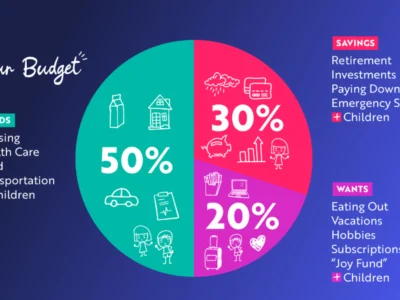
Follow the 50/30/20 Rule
One popular budgeting framework is the 50/30/20 Rule.
In this approach:
- Around 50% of your income goes toward essential expenses.
- About 30% is used for personal wants and lifestyle spending.
- The remaining 20% is directed toward savings and investments.
The exact percentages can vary depending on your income, debt, and financial goals, but the principle of consistently setting aside money remains valuable.
Automate Savings and Investments
Automation removes the temptation to spend money before saving or investing it.
Setting up automatic transfers to your savings account and investment account each payday helps build consistency without requiring constant decision-making.
Over time, small automatic contributions can produce meaningful financial growth.
Review Your Financial Plan Regularly
Financial goals change throughout life.
Career changes, marriage, children, home purchases, and retirement planning all affect how much you should save and invest.
Reviewing your financial plan at least once a year allows you to adjust your savings goals, investment allocation, and overall strategy as your circumstances evolve.
Regular reviews also help ensure your investments remain aligned with your long-term objectives and risk tolerance.
Frequently Asked Questions
Is saving better than investing?
Neither option is universally better. Saving is generally more suitable for emergency funds and short-term financial goals, while investing is often more effective for long-term wealth building and retirement planning. The right choice depends on your financial goals, time horizon, and tolerance for risk.
How much should I save before investing?
Many financial professionals recommend building an emergency fund covering approximately three to six months of essential living expenses before investing for long-term goals. The exact amount depends on your personal circumstances, income stability, and financial responsibilities.
Can I lose money by investing?
Yes. Investments can increase or decrease in value, especially over short periods. Market fluctuations are a normal part of investing. Maintaining a diversified portfolio and investing with a long-term perspective may help reduce the impact of short-term volatility, but all investing involves risk.
Is investing safe for beginners?
Investing always carries some level of risk, but beginners can often reduce risk by choosing diversified investments such as broad-market index funds or ETFs and by investing consistently over the long term instead of trying to time the market.
Should I save or invest during inflation?
Savings remain important for emergencies and short-term needs, but inflation can reduce the purchasing power of cash over time. For long-term financial goals, investing may provide greater potential to outpace inflation, although investment returns are not guaranteed.
Can I save and invest at the same time?
Yes. In fact, many successful financial plans combine both strategies. Maintaining emergency savings while investing regularly for long-term goals provides both financial security and opportunities for growth.
What is the biggest difference between saving and investing?
The biggest difference is their purpose. Saving focuses on preserving money for short-term needs and emergencies, while investing focuses on growing wealth over the long term by accepting an appropriate level of market risk.
How often should I review my savings and investment plan?
Reviewing your financial plan at least once a year—or after major life events such as a new job, marriage, the birth of a child, or retirement planning—is a good practice. Regular reviews help keep your strategy aligned with your changing goals.

Conclusion
Understanding saving vs investing is one of the most important steps toward achieving financial success. While these strategies serve different purposes, they are most effective when used together rather than viewed as competing choices.
Saving provides financial security, protects you during emergencies, and helps you achieve short-term goals without exposing your money to market risk. Investing, on the other hand, offers the potential for long-term growth, helps combat inflation, and supports major goals such as retirement, higher education, homeownership, and financial independence.
A practical financial plan often begins with building an emergency fund, paying off high-interest debt, and then investing consistently for long-term objectives. As your income, responsibilities, and goals evolve, your balance between saving and investing should evolve as well.
There is no single strategy that works for everyone. Your ideal approach depends on your financial situation, risk tolerance, time horizon, and future goals. By making informed decisions, staying disciplined during market fluctuations, and reviewing your financial plan regularly, you can build both financial stability and long-term wealth.
The smartest answer to the saving vs investing debate isn’t choosing one over the other—it’s knowing when to save, when to invest, and how to use both strategies together to create a stronger financial future.
- U.S. Securities and Exchange Commission (SEC) – Saving and Investing
- FINRA Investor Education Foundation
- Investopedia – Saving vs. Investing
- U.S. Bank – Saving vs. Investing
- BlackRock – Saving vs. Investing
- Morgan Stanley – Saving vs. Investing
- Consumer Financial Protection Bureau (CFPB) – Money Goals & Budgeting
- Federal Deposit Insurance Corporation (FDIC) – Deposit Insurance
- U.S. Bureau of Labor Statistics (BLS) – Consumer Price Index (Inflation)
- The World Bank – Inflation, Consumer Prices



[…] If you’re just getting started, these practical tips can help you invest with more confidence and avoid common beginner mistakes. […]