
50/30/20 Rule: A Simple Budgeting Method to Manage Your Money
Introduction
Managing money can feel hard, especially when your bills, savings, and daily spending all compete for your income. The 50/30/20 rule is one of the easiest budgeting methods to help you stay in control. It gives every dollar a clear purpose without making your budget too strict.
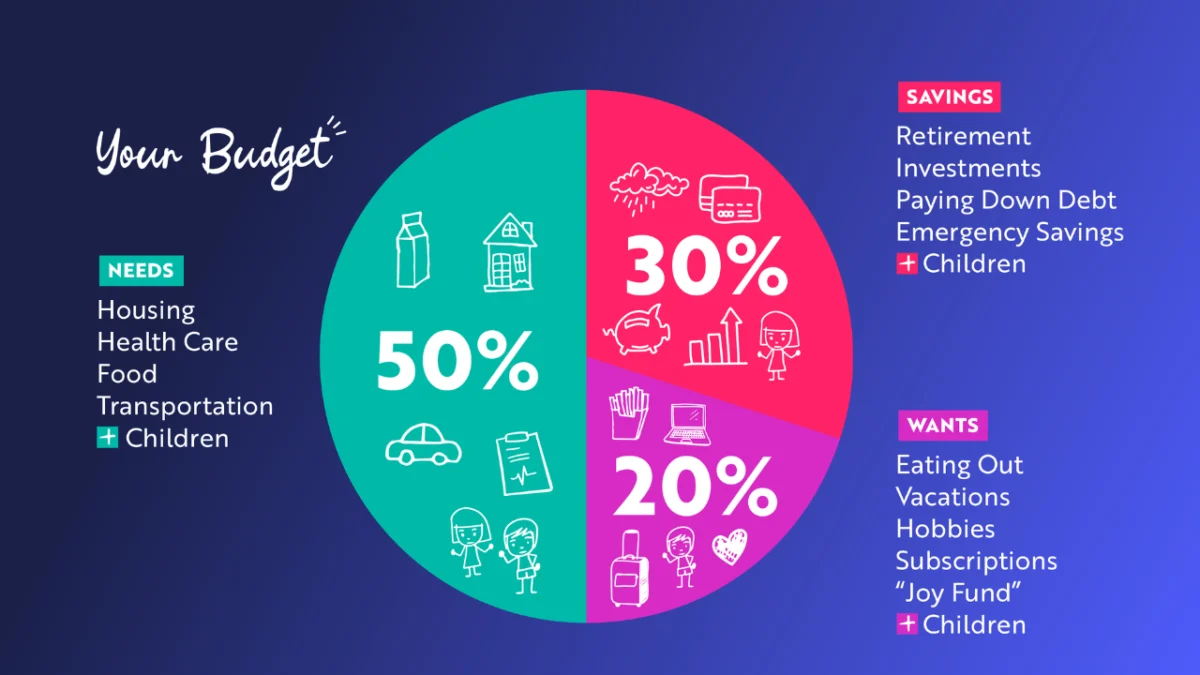
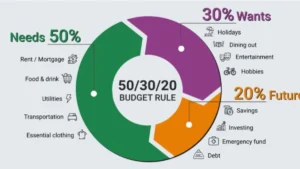
This simple budgeting rule divides your after-tax income into three parts. You spend 50% on needs, 30% on wants, and 20% on savings or debt payments. The goal is to help you cover your essential expenses while still enjoying life and building a stronger financial future.
Whether you are starting your first job, raising a family, or trying to save more money, the 50/30/20 rule can help you create better money habits. In this guide, you will learn how the rule works, what counts as needs and wants, and how you can use it to build a simple monthly budget.
What Is the 50/30/20 Rule?
The 50/30/20 rule is a simple budgeting method that helps you manage your monthly income. Instead of tracking every small purchase, this rule tells you how to divide your money into three easy categories.
The idea became popular after Elizabeth Warren, a U.S. senator, and her daughter Amelia Warren Tyagi introduced it in their book All Your Worth: The Ultimate Lifetime Money Plan. Since then, millions of people have used this budgeting method to improve their personal finances.
The rule is based on your after-tax income, also called your take-home pay. This is the money you receive after taxes and other deductions are taken from your paycheck.
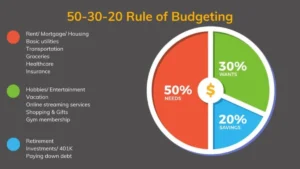
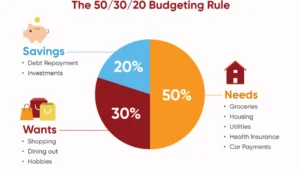
Here is how the budget is divided:
- 50% for your essential needs.
- 30% for your personal wants.
- 20% for savings and extra debt payments.
This budgeting method is flexible and easy to understand. It helps you avoid overspending while making sure you continue saving for future goals.
The 50/30/20 rule is not about being perfect. It is about creating a balanced budget that is simple enough to follow every month.
How Does the 50/30/20 Rule Work?
The 50/30/20 rule divides your monthly income into three spending categories. Each category has a clear purpose, making it easier to decide where your money should go.
Let’s look at each part.
Spend 50% on Needs
Needs are the essential expenses you must pay to live and work. These are not optional. Missing these payments could affect your daily life.
Common examples include:
- Rent or mortgage
- Utility bills
- Groceries
- Health insurance
- Transportation costs
- Minimum debt payments
- Basic phone and internet services
A good way to identify a need is to ask yourself, “Can I live or work without this?” If the answer is no, it usually belongs in the needs category.
Try to keep all of these expenses within 50% of your after-tax income. If your needs cost more than half of your income, you may need to reduce some expenses or increase your income over time.
Spend 30% on Wants
Wants are things that make life more enjoyable but are not essential. You can live without them, even though they add comfort and entertainment.
Examples of wants include:
- Dining at restaurants
- Movie tickets
- Streaming subscriptions
- Shopping for new clothes
- Vacations
- Gaming
- Coffee from cafés
- Concerts and events
Many people confuse wants with needs. For example, buying groceries is a need, but ordering expensive takeout every night is usually a want.
Keeping your wants within 30% of your income allows you to enjoy life without hurting your long-term financial goals.
Save 20% for Your Future
The final 20% of your income should go toward building financial security. This part of the budget helps you prepare for unexpected expenses and future goals.
You can use this money for:
- Building an emergency fund
- Saving for retirement
- Investing for long-term growth
- Paying off high-interest debt
- Saving for a home or major purchase
Even small savings can grow over time. The important thing is to save consistently every month.
If you already have an emergency fund, you can use part of this money to invest or pay down debt faster. The goal is to improve your financial health and reduce money stress in the future.
By following these three simple categories, the 50/30/20 rule creates a balanced budget that is easy to understand and simple to maintain. It helps you meet today’s needs while preparing for tomorrow.
Who Should Use the 50/30/20 Rule?
The 50/30/20 rule is flexible enough for many people. You do not need to be a finance expert to use it. If you want a simple way to manage your money, this budgeting method is a great place to start.
Beginners
If you are new to budgeting, this rule is easy to understand. You only need to divide your after-tax income into three categories. This makes it less stressful than tracking every single expense.
Employees
People with a regular monthly salary can use this rule to build better spending habits. It helps balance daily expenses, personal spending, and long-term savings.
Students and Young Professionals
If you are starting your career, learning to budget early can help you avoid unnecessary debt. It also helps you build savings from your first paycheck.
Families
Families can use the 50/30/20 rule to plan household expenses, save for future goals, and manage monthly bills more effectively.
Freelancers
Freelancers often have changing incomes. While the rule still works, they may need to adjust their budget each month based on their earnings. During high-income months, saving more than 20% can provide extra financial security.
Common Mistakes to Avoid
The 50/30/20 rule is simple, but small mistakes can reduce its effectiveness. Avoiding these common errors can help you get better results.
Using Gross Income Instead of Net Income
Always use your after-tax income. The rule is based on the money you actually receive, not your total salary before taxes.
Mixing Needs and Wants
Many people treat optional spending as a necessity. For example, groceries are a need, but eating at expensive restaurants is usually a want.
Ignoring Savings
Skipping the 20% savings category may solve today’s problems, but it can create bigger financial challenges later. Even saving a small amount every month is better than saving nothing.
Never Reviewing Your Budget
Your income and expenses can change over time. Review your budget every month and make adjustments when needed.
Setting Unrealistic Limits
A budget should help you, not frustrate you. If your current situation does not fit the 50/30/20 rule perfectly, adjust your spending gradually instead of trying to change everything at once.
Frequently Asked Questions
Is the 50/30/20 rule good for beginners?
Yes. It is one of the easiest budgeting methods for beginners because it focuses on three simple spending categories instead of tracking every purchase.
Should I use gross income or net income?
You should use your net income, also known as your take-home pay. This is the money you receive after taxes and other deductions.
Can I change the percentages?
Yes. The 50/30/20 rule is a guideline, not a strict law. If you have high living costs or are paying off debt, you can adjust the percentages to match your financial situation.
Does the 50/30/20 rule work with a low income?
It can still help you organize your money. However, if your essential expenses are very high, you may need to spend more than 50% on needs until your income increases.
Is the 50/30/20 rule still useful in 2026?
Yes. Even with higher living costs, the rule remains a helpful budgeting framework. Many people adjust the percentages slightly, but the basic idea of balancing needs, wants, and savings is still effective.
Conclusion
The 50/30/20 rule is a simple and practical way to manage your money without making budgeting feel complicated. By dividing your after-tax income into needs, wants, and savings, you can build healthier financial habits and stay focused on your long-term goals.
Remember, no budget is perfect. Your income, expenses, and priorities may change over time. The key is to review your budget regularly and make small adjustments when needed.
If you are looking for an easy way to take control of your finances, the 50/30/20 rule is a smart place to begin. Start with your next paycheck, stay consistent, and let your budget support both your present needs and your future goals.
Helpful Resources
For more trusted information about budgeting and personal finance, visit these official resources:
- Consumer Financial Protection Bureau (CFPB): https://www.consumerfinance.gov/
- MyMoney.gov: https://www.mymoney.gov/
- Federal Reserve – Financial Education: https://www.federalreserveeducation.org/




[…] costs to run unchecked can quickly drain cash reserves. Using a structured framework like the 50 30 20 Rule helps keep your needs, wants, and savings goals balanced even when prices surge […]