Types of Price Indices and Economic Applications
Understanding how different industries measure price changes requires examining specific variations of the formula used across global markets. Government agencies and institutions do not rely on a single general calculation to track economic health. Instead, they apply specialized variations to isolate specific market behavior and consumer trends. Exploring these specialized metrics gives a clearer view of how price changes move through different levels of the supply chain before reaching end consumers.
Laspeyres Price Index and Its Practical Utility
The Laspeyres price index measures price changes by holding the quantities of the base period constant over time. This method allows analysts to isolate price fluctuations without allowing changing consumer choices to alter the baseline metrics.
Because it uses fixed base-year quantities, this approach simplifies data collection for large economic surveys. It offers a consistent benchmark for comparing current prices directly against historic baseline data. You can inspect international trade and price measurement frameworks via the
International Monetary Fund Data Portal to see how global organizations standardize economic indicators.
Limitations of Base-Weighted Metrics
While the Laspeyres method offers consistency, it tends to overstate real inflation for average households. Consumers naturally substitute expensive items with cheaper alternatives when market prices rise sharply.
Because base quantities remain fixed, the formula ignores these everyday consumer adjustments. This calculation bias can make living costs appear higher than actual household spending shows.
Paasche Price Index and Current Year Weighting
The Paasche price index takes an alternative approach by using current-period quantities to weight price changes. This formula compares what the current basket costs today against what that exact same basket would have cost in the base period.
By incorporating current buying patterns, this index captures shifts in consumer behavior and market substitution. It reflects updated purchasing habits much faster than fixed-base models.
Distinctions Between Laspeyres and Paasche Models
The primary difference between these two mathematical approaches lies in which timeframe provides the quantity weights. The Laspeyres model relies strictly on past quantities, while the Paasche model updates quantities to reflect current activity.
The Paasche model can understate inflation because it emphasizes items consumers buy after price adjustments occur. Both metrics provide valuable perspectives when analyzed together by market experts.
The Fisher Ideal Index Framework
To resolve the calculation biases found in base-weighted and current-weighted formulas, economists created the Fisher Ideal Index. This model takes the geometric mean of both the Laspeyres and Paasche index results to calculate a balanced economic value.
By combining both calculations, the Fisher method eliminates both upward and downward measurement biases. It provides a more accurate reflection of true price changes across complex economic systems.
Impact of Accurate Index Metrics on Savings Strategy
When price measurement metrics accurately capture real inflation, individuals can better judge how fast their money needs to grow to stay ahead. Leaving extra funds in basic savings accounts during high-index periods guarantees a steady loss of purchasing power.
Understanding how inflation erodes stored cash helps clarify the trade-offs involved in
Saving vs Investing for long-term financial survival.
Real-World Economic Impact and Household Wealth
Understanding how price index variations operate in theory is helpful, but seeing how these numbers directly influence your everyday financial life is where the real value lies. Economic data isn’t just numbers on a government spreadsheet; it directly changes mortgage rates, wage negotiations, social security adjustments, and basic retail pricing across every sector.
How Central Banks Use Price Index Metrics
Central banks around the world closely monitor price index movements to shape national monetary policy. When index figures reveal that prices are rising too quickly, central institutions usually raise interest rates to cool down economic activity and reduce demand.
Higher interest rates make borrowing money more expensive for both consumers and businesses. You can examine how monetary policy decisions correlate with price indicators on the official
Federal Reserve Economic Data (FRED) platform.
Interest Rates and Your Daily Expenses
When central banks hike interest rates to combat high price index readings, borrowing costs soar across credit cards, personal loans, and home mortgages.
This policy reaction effectively reduces consumer spending power even further. Managing personal debt becomes significantly harder when high interest rates overlap with inflated prices for basic goods.
The Threat of Real Purchasing Power Loss
The most dangerous aspect of rising price indices is the quiet erosion of real wealth over time. If your annual salary increases by two percent while the general price index rises by five percent, your real purchasing power has actually decreased.
This gap between nominal income growth and actual price inflation forces families to spend more money just to maintain their existing standard of living.
Why Storing Cash Fails During High Index Cycles
Holding large amounts of liquid cash in low-interest accounts creates a guaranteed loss of real purchasing power during inflationary periods.
While saving cash offers safety and quick liquidity, it fails to preserve value when price growth remains high for extended periods.
Bridging the Inflation Gap with Strategic Investments
To counter the constant upward pull of price indices, your financial capital must work harder to generate returns that exceed baseline economic inflation.
Practical Financial Defense Strategies and Conclusion
Navigating a financial environment shaped by fluctuating price indices requires a clear plan to protect your personal balance sheet. Simply reacting to price hikes after they happen leaves your finances vulnerable to unexpected shocks. Proactive financial management helps individuals build a resilient safety net that absorbs economic volatility without sacrificing long-term goals.
Building a Flexible Financial Defense Strategy
A strong financial defense starts with understanding where your money goes each month and identifying areas where costs can be optimized. When price index calculations reflect rising living costs, reviewing variable expenses becomes essential.
Creating a dynamic spending plan allows you to adapt quickly when specific market sectors experience sudden price surges. You can consult additional global economic perspectives on inflation and price stabilization strategies via the
World Bank Development Indicators.
Monitoring Index Trends for Smarter Decisions
Keeping an eye on broader economic trends gives you an early warning system for upcoming price shifts. When wholesale price indicators start to rise, retail price increases usually follow shortly after.
Tracking these indicators helps you make smarter choices about major purchases, contract renewals, and long-term financial commitments before prices climb further.
Diversifying Income Sources
Relying on a single income stream during periods of persistent price growth creates unnecessary financial risk. If your primary salary does not keep pace with index movements, your disposable income shrinks automatically.
Developing secondary income streams or acquiring new high-value skills provides an extra buffer that helps offset the impact of rising living expenses.
Frequently Asked Questions About the Price Index Equation
What primary components are needed to calculate the price index equation?
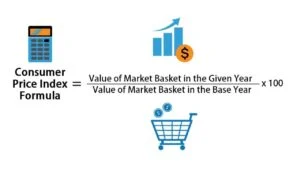
To calculate the price index equation, you need the price of a defined basket of goods in the current period and the price of that exact same basket in a baseline period. You divide the current period cost by the base period cost and multiply the result by one hundred to get the final index value.
How often do official agencies update price index figures?
Most national statistical agencies update and publish major price index figures on a monthly basis. These regular updates allow policymakers, businesses, and consumers to track inflation trends and adjust financial planning based on recent market changes.
Can a price index equation yield a negative value?
A price index value itself cannot be negative because it represents a ratio of positive prices. However, the calculated rate of change between two index periods can be negative, which indicates deflation or a general drop in market prices over time.
Why is the Consumer Price Index important for daily budgeting?
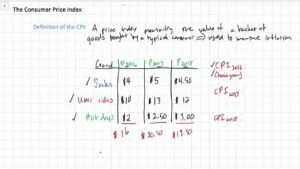
The Consumer Price Index directly reflects how everyday living costs shift for typical urban consumers. Tracking this movement helps individuals adjust their personal savings goals and monthly spending plans to prevent inflation from lowering their standard of living.
Conclusion: Mastering Economic Realities
The price index equation is more than just a theoretical mathematical formula; it is a vital tool for understanding real-world purchasing power and inflation dynamics. By measuring price movements accurately across base and current periods, this metric reveals how economic forces directly impact household budgets.
Protecting your financial well-being against persistent price increases requires a combination of disciplined budgeting, smart cash allocation, and proactive investment strategies. Understanding how price indices work equips you with the insights needed to navigate inflationary pressures, safeguard your assets, and maintain long-term stability.