

Currency Devaluation Effects: How a Weaker Currency Changes Prices, Jobs, and Everyday Life
Currency devaluation effects are felt long before most people hear the term on the news. You may notice grocery bills getting higher, imported products becoming more expensive, or your savings buying less than before. While these changes seem unrelated, they are often connected to a weaker currency. Understanding how currency devaluation works can help you make smarter financial decisions and prepare for economic changes.
Many people think currency devaluation only affects governments or large businesses. In reality, it influences almost everyone. Families, students, employees, travelers, investors, and business owners all experience its impact in different ways.
This guide explains the real effects of currency devaluation in simple language. It also explores several hidden impacts that many articles overlook, helping you understand not only what happens, but why it happens.
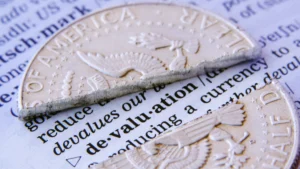
What Is Currency Devaluation?
Currency devaluation is the deliberate reduction in the value of a country’s currency compared with other currencies. It usually happens under a fixed or managed exchange rate system when a government or central bank lowers the official exchange rate.
In everyday conversations, people also use the term when a currency loses value in general, even if the decline happens because of market forces. In both situations, one result stays the same.
The local currency buys fewer foreign goods and services than before.
For example, if your currency weakens against the U.S. dollar, imported products become more expensive because businesses need more local currency to buy the same amount of foreign goods.
Why Do Countries Devalue Their Currency?
Currency devaluation is not always a sign of economic failure.
Sometimes governments intentionally allow or encourage a weaker currency to improve economic activity.
A weaker currency can make exported products cheaper for international buyers. This may increase demand for local goods and help domestic industries grow.
In some cases, governments also use devaluation to reduce trade deficits or improve international competitiveness.
However, these potential benefits often come with significant costs for consumers and businesses.
That is why economists usually see currency devaluation as a tool that requires careful management rather than a permanent solution.
How Currency Devaluation Affects Everyday Life
Many people believe currency devaluation only changes exchange rates.
The reality is much broader.
Its effects slowly spread through the entire economy.
The first changes usually appear in everyday expenses. Imported food, fuel, electronics, medicines, and household products often become more expensive because businesses pay more to bring them into the country.
Companies may eventually pass those higher costs on to customers.
As prices continue rising, families often adjust their spending habits. Some delay large purchases, switch to cheaper products, or reduce non-essential expenses.
This is why many households feel the effects of currency devaluation before they fully understand what caused them.
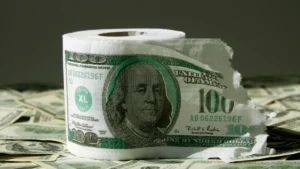
Rising Prices Are Usually the First Warning Sign
One of the most noticeable currency devaluation effects is higher prices.
When businesses spend more on imported raw materials, transportation, or equipment, production costs increase.
Those additional costs rarely stay with manufacturers.
Instead, they are passed through the supply chain until consumers pay higher prices at stores.
Products that depend heavily on imports often become more expensive first.
These may include smartphones, laptops, vehicles, medical equipment, cooking oil, coffee, fuel, and many packaged foods.
Even locally produced goods can become more expensive if factories rely on imported machinery or materials.
The Hidden Effect Most People Never Notice
Many articles focus only on inflation.
But one hidden effect receives much less attention.
Decision-making changes.
When people expect prices to continue increasing, they often change how they spend, save, and invest.
Some households begin buying essential products earlier than usual because they fear future price increases.
Others postpone vacations, home improvements, or expensive purchases.
Businesses also become more cautious.
Instead of expanding operations, they may delay hiring, reduce investment, or wait until economic conditions become more stable.
This shift in behavior can slow overall economic activity even before official economic data reflects the problem.
Not Everyone Experiences Currency Devaluation the Same Way
Currency devaluation does not affect every household equally.
Families with limited incomes often feel the pressure first because a larger share of their budget goes toward food, transportation, and essential goods.
Middle-income households may begin reducing discretionary spending, including entertainment, travel, or luxury purchases.
Higher-income families usually have more financial flexibility. Some may even protect their wealth through diversified investments or foreign assets.
Small businesses also face unique challenges.
Companies that rely on imported inventory often see their operating costs increase quickly.
Businesses that mainly sell locally produced goods may experience less pressure, although higher transportation and energy costs can still reduce profits.
Understanding these differences helps explain why currency devaluation creates different financial outcomes for different groups of people.
Currency Devaluation and Inflation: Why They Often Go Together
One of the strongest currency devaluation effects is rising inflation.
When a country’s currency loses value, imported goods become more expensive. Businesses pay more for raw materials, machinery, fuel, and shipping. To protect their profits, many companies increase the prices of their products.
As more goods become expensive, inflation spreads across the economy.
However, currency devaluation does not always create inflation by itself. The final impact depends on factors such as government policies, consumer demand, and global commodity prices.
This is why some countries recover quickly, while others struggle with long periods of rising prices.
How Currency Devaluation Affects Businesses
Businesses experience currency devaluation in different ways.
Companies that import products or raw materials usually face higher operating costs. Their profit margins become smaller unless they increase prices.
For small businesses, this can be especially challenging because they often have limited financial resources.
On the other hand, businesses that export goods may benefit from a weaker currency.
Their products become more affordable for international buyers. This can increase export demand and improve sales in foreign markets.
Even so, exporters are not completely protected.
If they depend on imported machinery, fuel, or production materials, some of their cost advantages may disappear.
The overall impact depends on each company’s business model.

What Happens to Jobs and Wages?
Currency devaluation can influence the job market in several ways.
Export-focused industries may hire more workers if international demand increases.
Manufacturing, agriculture, and tourism sometimes benefit from a weaker currency because their services become more competitive globally.
However, industries that rely heavily on imported products may reduce hiring or delay expansion due to rising costs.
Employees often face another challenge.
Even if wages remain the same, their purchasing power may decline because everyday expenses become more expensive.
In simple words, earning the same salary does not help if your money buys fewer goods than it did before.
The Impact on Savings and Personal Wealth
Many people overlook how currency devaluation affects savings.
Money kept in cash may lose purchasing power over time if inflation rises faster than savings grow.
This means your bank balance may stay the same while its real value gradually declines.
People planning for education, retirement, or major purchases may need to review their financial plans during periods of currency weakness.
Some individuals choose diversified investments to reduce risk, while others focus on increasing their emergency savings to prepare for higher living costs.
The best approach depends on personal financial goals and risk tolerance.
How Currency Devaluation Changes Consumer Behavior
One of the lesser-known currency devaluation effects is the way it changes buying habits.
Consumers often become more careful with spending.
Families compare prices more frequently.
They switch from premium brands to affordable alternatives.
Many households also postpone buying cars, electronics, furniture, or other expensive items until economic conditions improve.
Businesses notice these changes quickly.
As demand shifts, companies adjust their product offerings, pricing strategies, and promotional campaigns to match consumer expectations.
This gradual change in spending patterns can influence the economy for months or even years.
Can Currency Devaluation Ever Be Good?
Although it creates challenges, currency devaluation is not always negative.
A weaker currency can help domestic manufacturers compete in international markets.
Tourism may also benefit because visiting the country becomes less expensive for foreign travelers.
Local products may become more attractive compared to imported alternatives, encouraging consumers to support domestic businesses.
However, these benefits usually appear over time.
The short-term effects often include higher prices, reduced purchasing power, and increased uncertainty for households and businesses.
This is why policymakers try to balance economic growth with price stability whenever currency values change.
Common Myths About Currency Devaluation
Many misconceptions create unnecessary confusion.
One common myth is that currency devaluation always causes an economic crisis.
In reality, some countries use controlled devaluation as part of a broader economic strategy.
Another myth is that every business suffers equally.
Some exporters may benefit, while import-dependent businesses face greater challenges.
Many people also believe only international travelers are affected.
The truth is that almost everyone feels the impact through changes in prices, wages, employment, and daily living expenses.
Understanding these facts helps people make more informed financial decisions instead of reacting to headlines alone.
How to Protect Yourself During Currency Devaluation
You cannot control exchange rates, but you can prepare for their effects.
Start by creating a realistic monthly budget. Knowing where your money goes makes it easier to adjust when prices begin to rise.
Building an emergency fund is another smart step. Having savings for unexpected expenses can reduce financial stress during uncertain economic periods.
Try to avoid unnecessary debt, especially loans with variable interest rates. Higher inflation and economic uncertainty can make borrowing more expensive over time.
If possible, improve your financial knowledge and continue developing valuable skills. People with strong, in-demand skills often have more opportunities to increase their income, even during difficult economic conditions.
Most importantly, avoid making emotional financial decisions. Panic buying, impulsive investing, or reacting to rumors often creates bigger problems than currency devaluation itself.
Warning Signs of a Weakening Currency
Currency values usually do not change overnight without warning.
Several economic signals may suggest that a currency is under pressure.
A rapid increase in inflation is one of the most common indicators. Rising prices reduce purchasing power and often weaken confidence in the currency.
Persistent trade deficits can also create pressure. When a country imports far more than it exports, demand for foreign currencies may increase.
Political uncertainty, declining foreign investment, and falling foreign exchange reserves may also contribute to a weaker currency.
These signs do not always guarantee devaluation, but they can help explain why exchange rates change over time.
Real-World Examples of Currency Devaluation
History shows that many countries have experienced periods of currency weakness.
For example, several emerging economies have seen their currencies lose value after global financial shocks, rising inflation, or political instability.
In many cases, imported fuel, food, and consumer goods became more expensive, placing pressure on household budgets.
At the same time, some export industries became more competitive because their products were cheaper for international buyers.
These examples highlight an important lesson.
Currency devaluation rarely creates only winners or only losers. Its effects depend on the country’s economy, government policies, and how businesses and consumers respond.
Frequently Asked Questions
What are the main currency devaluation effects?
The most common effects include higher inflation, more expensive imports, reduced purchasing power, changes in consumer spending, increased business costs, and shifts in international trade.
Does currency devaluation always cause inflation?
Not always. Currency devaluation often increases inflation by raising import costs, but the overall impact also depends on government policies, supply chains, and market conditions.
Who benefits from currency devaluation?
Exporters, tourism businesses, and companies that rely mainly on domestic resources may benefit because their goods and services become more competitive in global markets.
Who is most affected by currency devaluation?
Households with lower incomes, businesses that depend on imported products, and people living on fixed incomes often experience the greatest financial pressure.
How can individuals prepare for currency devaluation?
Maintaining a budget, building an emergency fund, reducing unnecessary debt, improving financial skills, and making informed long-term financial decisions can help reduce the impact.
Conclusion
Understanding currency devaluation effects is important because they influence much more than exchange rates.
A weaker currency can change the cost of everyday essentials, affect business growth, reduce purchasing power, and reshape consumer behavior. While some industries may benefit from stronger exports, many households face higher living costs and increased financial uncertainty.
The good news is that knowledge allows better preparation.
By understanding how currency devaluation works, monitoring economic trends, and following sound financial habits, individuals and businesses can make smarter decisions during changing economic conditions.
Currency values may rise and fall over time, but careful planning, informed choices, and financial discipline remain some of the strongest tools for protecting long-term financial stability.
| Resource | URL |
|---|---|
| International Monetary Fund (IMF) | https://www.imf.org/ |
| IMF – Exchange Rate Policy | https://www.imf.org/en/Topics/exchange-rate-policy |
| World Bank | https://www.worldbank.org/ |
| World Bank – Macroeconomics, Trade & Investment | https://www.worldbank.org/en/topic/macroeconomics |
| Bank for International Settlements (BIS) | https://www.bis.org/ |
| Organisation for Economic Co-operation and Development (OECD) | https://www.oecd.org/economy/ |
| World Trade Organization (WTO) | https://www.wto.org/ |
| International Trade Administration (ITA) | https://www.trade.gov/ |
| U.S. Federal Reserve | https://www.federalreserve.gov/ |
| European Central Bank (ECB) | https://www.ecb.europa.eu/ |


[…] reading: Currency Devaluation Effects: Prices, Trade & Economic Growth · Fantastic Animals Movie: Cast, Plot, and Streaming […]