
REM Sleep Behavior Disorder: Causes, Symptoms, and Modern Management Strategies
Have you ever experienced a dream so vivid that your body physically reacted to it while you were still fast asleep? For most people, the brain induces a temporary state of paralysis during dreams to keep the body safe, but individuals suffering from REM sleep behavior disorder experience a malfunction in this natural protective mechanism. This neurological sleep condition causes individuals to physically act out their dramatic, vivid, or sometimes frightening dreams during rapid eye movement sleep.
Instead of resting quietly, a person might punch, kick, flail their arms, or leap out of bed, completely unaware of their physical actions until they wake up. Understanding this condition is crucial because it goes beyond simple restless nights and can deeply impact long-term neurological wellness.

Understanding the Science of Rapid Eye Movement Sleep rem sleep behavior disorder
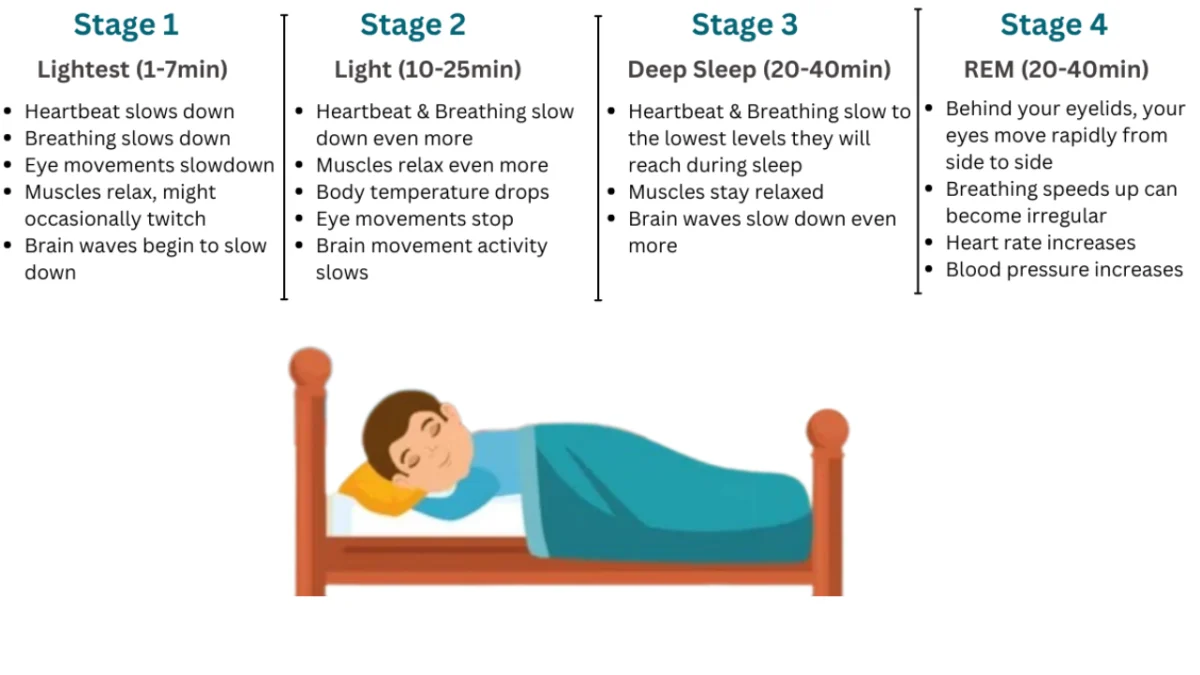
To comprehend why this disruption occurs, it helps to examine what happens during a normal nightly rest cycle. Human sleep transitions through several distinct stages, shifting between non-rapid eye movement cycles and the deeper rapid eye movement state where active dreaming takes place. Under normal circumstances, the brain stem sends signals to relax the voluntary muscles, creating a state of temporary muscle atonia that prevents physical movement.
The Role of Muscle Atonia in Safe Dreaming
Muscle atonia serves as a built-in safety switch for the human body during deep dream states. When working correctly, it ensures that even if you are running or escaping danger in your mind, your physical body remains perfectly still in bed. In a healthy brain, neurotransmitters actively block motor pathways so that active mental imagery does not translate into physical danger.
What Goes Wrong in the Brain Stem
When someone develops this specific sleep impairment, the neural pathways in the brain stem that maintain muscle paralysis fail to function properly. The chemical signals that usually switch off muscle activity become weak or disrupted, leaving the physical body fully responsive to the subconscious mind. Consequently, the motor cortex fires signals directly to the limbs, causing the dreamer to replicate their dream actions in the real world.
Recognizing the Common Symptoms and Behaviors
The presentation of this nocturnal condition can vary significantly from one individual to another, often starting as mild muscle twitches before progressing over several years. Because these episodes occur exclusively during deep dreaming, the affected individual rarely remembers their physical outbursts unless they are awakened mid-episode.
Physical Outbursts and Nocturnal Movements
The most recognizable sign of this sleep issue is sudden, often violent physical activity that perfectly mirrors the theme of a dream. Patients frequently engage in arm flailing, kicking, jumping out of bed, or punching the air, which can easily lead to accidental injuries for both the dreamer and their bed partner. These movements are not purposeful daytime actions but are rapid, defensive reactions to imagined threats within the dream.
Vocalizations and Emotional Expressions
Beyond physical movement, vocal outbursts are incredibly common during these nighttime disruptions. Individuals might shout, scream, swear, laugh, or speak clearly while remaining completely unconscious of their surroundings. The emotional tone of these vocalizations typically matches the intense, high-stakes nature of the dreams they are experiencing.
Investigating the Underlying Causes and Risk Factors
Medical professionals and sleep specialists look closely at several contributing factors when analyzing why a person develops these nighttime motor disruptions. While some instances occur spontaneously without a clear origin, ongoing studies continue to connect these behaviors to specific neurological patterns.
The Connection to Neurodegenerative Disorders
A significant focus of modern clinical neurology involves the strong link between dream-enactment behaviors and progressive neurodegenerative conditions. According to the latest scientific literature published on Nexavice Medical Research, these sleep disruptions frequently serve as early warning signs for synucleinopathies, which include Parkinson’s disease and Lewy body dementia. The underlying protein misfolding that causes these conditions often damages the brain stem’s sleep-regulating centers decades before daytime motor symptoms appear.
Secondary Triggers and Medication Influences
In less common instances, the condition can be triggered or worsened by external influences rather than progressive neurological decline. Certain prescription medications, particularly selective serotonin reuptake inhibitors used for mood management, can alter sleep architecture and trigger motor activity during dreams. Additionally, sudden withdrawal from alcohol or severe chronic stress can exacerbate the frequency and intensity of these nighttime episodes.
Advanced Diagnostic Methods and Clinical Approaches
Securing an accurate diagnosis requires specialized evaluation by certified sleep physicians to differentiate these actions from other parasomnias like sleepwalking. Because treatment plans rely heavily on identifying the exact nature of the sleep disruption, clinical testing is highly comprehensive.
The Importance of Overnight Polysomnography
The absolute gold standard for identifying this condition is an overnight sleep study conducted in a specialized clinical laboratory. During this evaluation, technicians monitor brain waves, heart rate, eye movements, and muscle tone using specialized sensors. The definitive diagnostic marker is the documented absence of muscle atonia during rapid eye movement cycles, paired with observed physical movements on video.
Differential Diagnosis from Other Parasomnias
It is essential for clinicians to separate these behaviors from confusional arousals, night terrors, or severe obstructive sleep apnea. Unlike classic sleepwalking, which usually occurs during non-rapid eye movement stages and leaves the person disoriented, individuals waking up from an altered REM cycle typically become alert instantly and can recall their vivid dream narratives in vivid detail.

Practical Management and Safe Environment Strategies
Managing this chronic sleep challenge involves a two-pronged approach focused on modifying the physical environment for safety and utilizing targeted medical therapies. Minimizing the risk of injury is always the immediate priority for healthcare providers.
Creating a Safe Sleeping Environment
Modifying the bedroom setup is the most vital step to protect both the patient and their partner from physical harm during an active episode. Families should consider placing the mattress directly on the floor, removing sharp furniture from the bedside, and installing padded barriers if necessary. Bed partners are often advised to sleep in a separate room temporarily until the nocturnal movements are successfully controlled through therapy.
Clinical Strategies and Dietary Support
From a clinical standpoint, low-dose medications are often utilized to reduce muscle activity and restore a sense of calm to the sleep cycle. In tandem with medical care, maintaining proper metabolic health through targeted lifestyle changes can support overall nervous system stability. For practical tips on supporting nerve health through diet, you can explore the Nexavice Nutrition Guide to learn how specific micronutrients like magnesium help optimize brain health and promote deeper, more stable rest phases.
Frequently Asked Questions
Can stress cause someone to act out their dreams?
High levels of emotional stress and chronic anxiety can increase the frequency and intensity of sleep disruptions if a person already has an underlying vulnerability, but stress alone is rarely the sole cause of chronic dream-enactment behavior.
Is this sleep condition curable with medication?
While there is currently no permanent cure to reverse the underlying brain stem changes, the physical symptoms can be highly managed and controlled using specific low-dose prescriptions that reduce muscle activity during sleep.
How does this condition differ from ordinary sleepwalking?
Ordinary sleepwalking occurs during the deeper non-dreaming stages of sleep and leaves the individual slow to respond upon waking, whereas dream enactment occurs during rapid eye movement sleep and features immediate alertness with full dream recall upon waking.
Should a bed partner sleep in the same bed during episodes?
Until the physical movements are properly managed by a medical professional, it is highly recommended for bed partners to sleep in a separate bed or room to avoid accidental injury from sudden kicks or punches during the night.

Summary and Conclusion
Living with a complex sleep condition requires a proactive approach to safety, accurate diagnosis, and long-term neurological care. While the symptoms of dream enactment can be alarming, a combination of bedroom modifications, medical guidance, and nervous system support through healthy lifestyle choices can drastically improve safety. Recognizing these early nocturnal signs allows individuals to protect their physical well-being while giving doctors a valuable window to monitor and support long-term brain health.
Clinical Research and Authoritative Reference Links
Modern scientific literature emphasizes the critical need for early detection and proactive management of sleep motility disorders. You can explore the following established medical institutions and research databases to review the latest clinical trials, diagnostic criteria, and neurological insights regarding this condition:
To review comprehensive clinical overviews and patient care pathways, visit the Mayo Clinic Neurology Database.
For detailed scientific studies regarding sleep architecture and neurodegenerative links, explore the National Center for Biotechnology Information.
To understand standard diagnostic guidelines and sleep study protocols, consult the American Academy of Sleep Medicine.

[…] Related reading: REM Sleep Behavior Disorder: Symptoms, Causes & Treatment […]