
Global Inflation Crisis: Causes, Effects & Economic Outlook
How a Middle East Conflict Could Trigger a Global Inflation Crisis
A Middle East conflict can become a global inflation crisis through a chain reaction that begins with energy markets and spreads through transport, food, supply chains, currencies, interest rates and household budgets. The world economy is deeply connected to the Middle East. The region is central to global oil and gas supplies, international shipping and some of the most important trade routes connecting Asia, Europe and the rest of the world. That means a conflict that appears geographically limited can quickly create economic consequences far beyond the battlefield.
The Inflation Chain: From Conflict to Global Prices
The mechanism can be summarized simply:
Geopolitical conflict → Energy disruption → Higher oil and gas prices → Higher transport costs → More expensive production → Food and commodity inflation → Currency pressure → Higher interest rates → Slower economic growth
This chain does not always operate with the same intensity. A short conflict may cause a temporary increase in energy prices that fades as supply routes reopen and markets adjust. A prolonged conflict affecting oil infrastructure, natural gas exports or maritime chokepoints could produce a much more severe shock.
The International Monetary Fund has warned that the current Middle East conflict has already affected commodity prices, inflation expectations and financial conditions, although the global economy’s resilience and alternative supply responses can limit the initial damage. (IMF)
The outcome therefore depends on several variables:
Here is what you need to know about global inflation crisis. How long the conflict lasts. Whether energy infrastructure is damaged. Whether shipping through critical waterways is disrupted. How much oil and gas supply is removed from global markets. Whether other producers can increase output. How much inventory is available. Whether governments subsidize or absorb higher costs. How consumers and businesses respond.
This is why two conflicts of similar size can produce very different economic consequences. A geopolitical crisis does not automatically create a global inflation crisis. But when it affects a strategically important energy and trade corridor, the risk increases dramatically.
Why the Strait of Hormuz Matters So Much
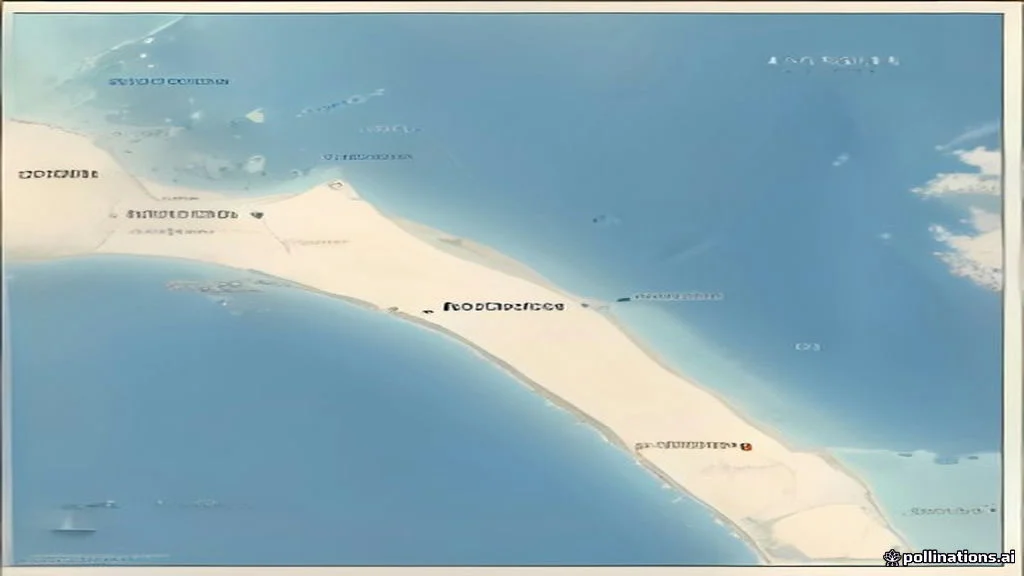
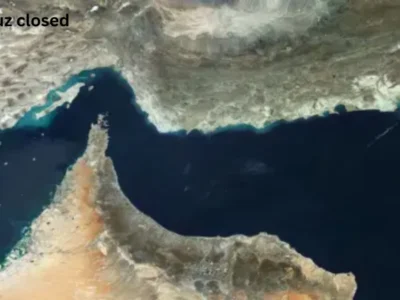
The Strait of Hormuz is one of the most important economic chokepoints in the world. The narrow waterway connects the Persian Gulf with the Gulf of Oman and the Arabian Sea. The International Energy Agency says around 20 million barrels per day of crude oil and oil products passed through the Strait in 2025, roughly one-quarter of global seaborne oil trade. The Strait is also critical for LNG exports. (IEA)
This creates a major vulnerability for the global economy. Oil markets are global. A country does not need to buy oil directly from the Middle East to be affected by a disruption there. If supply from the Gulf falls, buyers compete for alternative supplies from other producers. That competition can push prices higher across the global market. The same principle applies to natural gas. If LNG shipments are disrupted, importing countries may compete for available cargoes from other regions. European and Asian buyers could find themselves bidding against one another for limited supplies.
This is why the economic impact of a regional conflict can spread far beyond the countries directly involved.
The Strait of Hormuz and Global Energy Exposure
The short answer
Disruption: Immediate Market Effect, Potential Inflation Impact. Oil shipments fall: Crude prices rise, More expensive fuel and transport. LNG exports are disrupted: Gas prices increase, Higher electricity and industrial costs. Shipping becomes riskier: Insurance and freight costs rise, Imported goods become more expensive. Fertilizer production costs rise: Agricultural inputs become more expensive, Food prices may increase later. Currency markets become volatile: Importing currencies weaken, Imported inflation intensifies.
The critical point is that energy markets respond to expected future shortages, not only actual shortages. If traders believe that a conflict could threaten future supplies, prices can rise immediately. That means inflationary pressure can begin before a physical shortage reaches petrol stations or factories.
Oil Is the First Major Inflation Channel
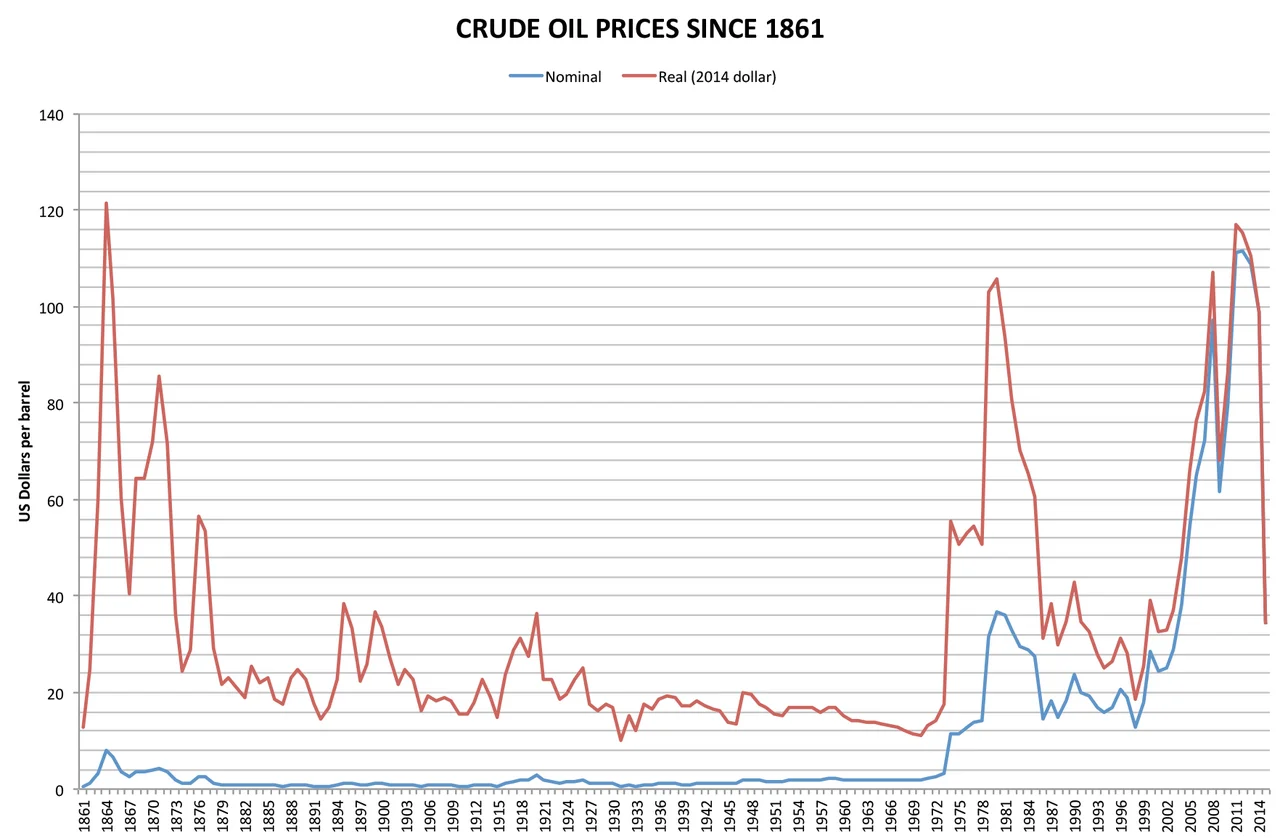
Oil is one of the most important inputs in the global economy. It fuels cars, trucks, ships, aircraft and industrial machinery. Petroleum products are also used in plastics, chemicals, synthetic materials and other manufactured goods. When oil prices rise, the impact moves through the economy in several stages.
First, fuel becomes more expensive. Then transportation companies face higher operating costs. Trucking companies pay more for diesel. Airlines pay more for jet fuel. Shipping companies face higher fuel bills. Manufacturers also experience higher costs because energy is required to produce and transport raw materials.
Eventually, businesses must decide how to absorb these costs. They may:
The main points are accept lower profit margins, reduce production, raise prices, delay investment and reduce hiring.
In many cases, higher costs are passed to consumers. This is known as cost-push inflation. The important difference between cost-push inflation and demand-driven inflation is that the economy can experience higher prices even when consumers are not spending more. People may actually reduce consumption because they are paying more for essentials. That creates one of the most difficult economic combinations: rising prices alongside weakening growth.
Why Higher Oil Prices Affect Almost Everything
Consider a basic product sold in a supermarket. Before it reaches the consumer, its ingredients may be produced on a farm, processed in a factory, transported to a warehouse and delivered to a store. Each stage requires energy. Farm equipment consumes fuel. Factories consume electricity and gas. Trucks consume diesel. Refrigerated storage consumes electricity.
A rise in oil prices can therefore affect the product multiple times before it reaches the final consumer. The same applies to construction materials, electronics, clothing and online deliveries. Even a product that contains no petroleum may have a supply chain that depends on petroleum. This is why oil prices can have a much broader inflationary impact than the price of fuel alone.
Natural Gas Could Create a Second Inflation Wave
Oil is not the only energy market at risk. Natural gas is equally important for electricity generation, industrial production and fertilizer manufacturing. A disruption to LNG exports can therefore affect:
The main points are electricity prices, heating costs, industrial production, chemical manufacturing and fertilizer production.
This could create a second inflationary wave. The first wave comes from oil. The second comes from natural gas and electricity. Energy-intensive industries are particularly vulnerable. A glass factory, steel producer, chemical manufacturer or fertilizer plant may not be able to operate profitably when energy prices rise dramatically. Some businesses may reduce output or temporarily shut down. That can create shortages in certain products, adding further pressure to prices.
The IMF has emphasized that energy-importing countries and economies with limited policy space are particularly vulnerable to the economic consequences of the conflict. (IMF)
The Food Inflation Risk Is More Complicated
One of the most dangerous consequences of a prolonged energy shock could be higher food prices. Food inflation does not necessarily happen immediately after oil prices rise. The process can take months. Farmers need fuel to operate machinery. They need energy-intensive fertilizers. Crops must be transported, processed and stored.
If natural gas prices rise, fertilizer production can become more expensive. If fertilizer prices rise sharply, farmers face higher costs. Some farmers may reduce fertilizer use. Others may increase the prices of their crops to protect their income. Eventually, higher production costs can move through the agricultural supply chain and reach consumers. This creates a delayed inflationary effect.
The World Bank’s April 2026 Commodity Markets Outlook said the Middle East war had produced a major commodity shock, with energy and fertilizer prices contributing to higher inflation risks. Its analysis also warned that a prolonged disruption could significantly worsen food insecurity, particularly in poorer economies. (World Bank)
The most vulnerable households are those that spend a large percentage of their income on food and energy. For a wealthy household, a 20% increase in fuel prices may be uncomfortable. For a low-income household, higher fuel and food prices can force difficult decisions about rent, education, healthcare and basic consumption. This is why commodity inflation can become a social and political problem as well as an economic one.
Shipping Disruptions Can Multiply the Shock
Energy prices are only part of the story. A conflict that affects maritime routes can increase the cost of moving goods around the world. Shipping companies may avoid dangerous waters. Vessels may take longer routes. Insurance premiums may rise. Ports may experience delays. All of these costs eventually affect the price of imported goods.
UN Trade and Development has repeatedly warned that disruptions to major maritime chokepoints can increase freight costs, delay deliveries and create risks for global food and energy security. The inflationary impact can be particularly severe when shipping disruption occurs at the same time as an energy shock. A ship taking a longer route uses more fuel. If fuel prices are already rising, the cost of the longer journey becomes even greater.
This creates a multiplier effect: Higher oil prices + longer shipping routes + higher insurance costs = higher delivered prices for goods. The same product can become more expensive even if its manufacturing cost has not changed.
Currency Depreciation Can Make Inflation Worse
Emerging markets face an additional risk: currency depreciation. During periods of geopolitical uncertainty, investors often move money toward assets perceived as safer. This can place pressure on emerging-market currencies. A weaker currency makes imported goods more expensive. For countries that import oil, the problem becomes particularly serious.
Suppose the global price of oil rises by 30%. If the local currency also loses value against the US dollar, the domestic price of imported oil can increase by even more. This creates a double shock. The country pays more for the commodity itself and more because its currency has weakened.
The effect can spread to fuel, food, machinery, medicine, technology and industrial raw materials. The IMF has noted that geopolitical shocks can affect countries through commodity prices, capital flows, risk aversion and financial conditions, with the impact varying significantly across economies. (IMF). This is one reason a Middle East conflict could be particularly damaging for developing countries.
Why Inflation Could Become Stagflation
The most serious economic scenario is not simply higher inflation. It is stagflation. Stagflation occurs when inflation rises while economic growth slows. A Middle East conflict could create this combination through a negative supply shock. Businesses face higher energy and transportation costs. Consumers face higher prices. Central banks become concerned about inflation. Interest rates remain higher for longer. Borrowing becomes more expensive. Investment slows. Consumers reduce discretionary spending. Economic growth weakens.
The result can be a difficult cycle: Higher energy prices → higher inflation → tighter monetary policy → weaker demand → slower growth.
The European Central Bank has highlighted that geopolitical oil shocks can increase prices, weaken industrial activity and raise financial-market risk. Its analysis also shows that the economic impact depends heavily on the size and persistence of the energy shock. (European Central Bank)
However, not every oil shock produces stagflation. The wider economic environment matters. If demand is already weak, businesses may struggle to pass all higher costs to consumers. If labor markets are tight and demand is strong, inflation can spread more broadly. This is why the same energy shock can produce different results in different periods.
The Central-Bank Dilemma
Central banks face a difficult problem when inflation is caused by war. Interest rates cannot produce more oil. They cannot reopen a blocked shipping route. They cannot immediately increase fertilizer production. Yet central banks still have to decide whether inflation is likely to become persistent.
If policymakers raise rates too aggressively, they could deepen an economic slowdown. If they do too little, temporary energy inflation could spread into wages and broader pricing decisions. The key issue is inflation expectations. If households and businesses believe that higher inflation will continue, they may change their behavior. Workers may demand higher wages. Companies may raise prices in anticipation of higher costs. Consumers may accelerate purchases before prices rise further. This can make inflation more persistent.
The ECB has noted that the pass-through from energy prices to broader inflation depends heavily on economic conditions, expectations and the strength of demand. (European Central Bank)
Therefore, central banks may be forced to balance two competing risks: Inflation that is too high versus growth that is too weak.
Why the World May Not Experience a 1970s-Style Inflation Crisis
It is important not to assume that every Middle East conflict will create a repeat of the 1970s. The global economy has changed. Several factors can reduce the impact of an oil shock:
The main points are strategic petroleum reserves, increased production outside the affected region, alternative shipping routes, lower oil intensity in some economies, more energy-efficient technology, renewable energy, electric vehicles, demand reduction and flexible supply chains.
The IMF’s latest analysis of the current war shows how inventories, increased production outside the Gulf and reduced demand helped prevent an even larger oil price spike, although it also warned that available buffers are becoming more limited. (IMF)
This is a important point. The existence of a conflict does not automatically determine the economic outcome. The global economy has shock absorbers. But shock absorbers have limits. If a disruption lasts long enough, inventories decline. If alternative producers cannot increase supply quickly enough, prices rise. If governments spend heavily to protect consumers, fiscal pressure increases. The longer the conflict continues, the more difficult it becomes to rely on temporary solutions.
Short Conflict vs. Prolonged Conflict: Why Duration Matters
The duration of the conflict may be more important than the initial shock.
A short-lived conflict may produce a rapid oil price spike, temporary market volatility, higher insurance costs, limited supply disruption, and short-term inflation pressure. If shipping and production return to normal quickly, much of the shock may eventually fade.
A prolonged conflict could produce persistent energy shortages, reduced investment in production, higher shipping costs, rising fertilizer prices, higher food inflation, weaker currencies, higher interest rates, and lower economic growth. This is when a regional conflict becomes a serious global macroeconomic threat.
The World Bank’s 2026 analysis illustrates the difference between a baseline scenario and a more severe scenario. Under more prolonged or intense disruption, energy prices could rise substantially higher and inflation in developing economies could increase further. (World Bank)
Which Countries Would Be Hit Hardest?
The impact would be uneven. The most vulnerable economies are likely to be those that combine several weaknesses:
The main points are heavy dependence on imported energy, high food-import dependence, weak currencies, large external debts, limited foreign-exchange reserves, high inflation already and limited ability to subsidize households.
Poorer households in every country are also more vulnerable because food and energy represent a larger share of their spending. Oil exporters may benefit from higher prices, but only if they can continue producing and exporting. A country can have large oil reserves and still suffer if infrastructure is damaged or exports are blocked. Energy security is therefore not simply about how much oil exists underground. It is also about whether that oil can reach the global market.
What Could Stop a Global Inflation Crisis?
A global inflation crisis is not inevitable. Several developments could limit the damage:
Alternative supply increases: Other producers may increase output if prices rise enough. Strategic reserves are released: Governments can release emergency stocks to reduce immediate supply pressure. Consumers reduce demand: Higher prices can reduce fuel consumption and encourage efficiency. Shipping routes adapt: Companies can redirect cargoes and develop alternative routes. Also, the conflict remains geographically limited: A conflict that doesn’t affect energy infrastructure or major shipping routes may create much smaller economic consequences. Monetary policy remains credible: If inflation expectations remain anchored, a temporary energy shock is less likely to become permanent inflation.
The World Bank has also emphasized that targeted help to vulnerable households is generally preferable to broad, untargeted support that can place additional pressure on government finances. (World Bank)
What This Means for Consumers, Businesses and Investors
For households, the main lesson is that geopolitical risk can affect personal finances even when the conflict occurs thousands of miles away. The effects may appear through petrol prices, grocery bills, electricity costs, airline tickets, delivery fees, imported products, and interest rates.
The best response is not panic. It is resilience. Households should understand how vulnerable their budgets are to higher essential costs. Businesses should examine their exposure to energy, shipping, imported inputs and currency movements. Investors should recognize that geopolitical shocks can affect different asset classes in different ways. Oil producers may benefit from higher prices. Energy-intensive companies may suffer. Gold may attract safe-haven demand. Import-dependent economies may face greater pressure. The important principle is diversification rather than trying to predict every geopolitical event perfectly.
The Bigger Risk Is a Chain Reaction
The most dangerous scenario is not one isolated shock. It is the interaction of several shocks: Oil prices rise, shipping costs increase, natural gas becomes more expensive, fertilizer prices rise, food inflation accelerates, currencies weaken, interest rates remain high, economic growth slows.
Each individual problem may be manageable. Together, they can create a much more difficult environment. This is why the economic consequences of a Middle East conflict depend not only on the battlefield but also on the global economic system’s ability to absorb repeated shocks. The IMF’s current analysis suggests that the global economy has so far shown resilience, but significant differences exist between countries and the risks remain highly dependent on the continuation of the conflict and disruption to energy flows. (IMF)
Frequently Asked Questions
Q: How can a Middle East conflict cause global inflation?
A: A conflict can disrupt oil and gas supplies, shipping routes and commodity markets. Higher energy and transportation costs then increase the cost of producing and delivering goods, creating inflationary pressure worldwide.
Q: Would oil prices immediately rise during a Middle East conflict?
A: They could. Oil prices respond not only to current supply shortages but also to expectations of future disruption. The size of the price increase would depend on the scale and duration of the disruption.
Q: Why is the Strait of Hormuz so important?
A: The Strait is a major route for global oil and LNG shipments. Around 20 million barrels per day of crude oil and oil products passed through it in 2025, according to the IEA. (IEA)
Q: Could a Middle East conflict cause stagflation?
A: Yes. A prolonged energy shock could raise inflation while weakening economic growth, creating stagflationary pressure.
Q: Would every country experience the same inflation impact?
A: No. Energy importers, countries with weak currencies and economies heavily dependent on imported food and fuel would generally face greater risks than countries with domestic energy production and strong financial.
Conclusion: Could a Middle East Conflict Trigger a Global Inflation Crisis?
Yes, but the outcome is not predetermined. A major Middle East conflict could trigger a global inflation crisis if it causes a prolonged disruption to oil, gas, shipping or critical infrastructure.
The economic chain is clear: Energy disruption raises fuel costs. Higher fuel costs raise transportation costs. Higher transportation costs raise the cost of goods. Natural-gas disruptions can raise fertilizer and electricity prices. Higher fertilizer costs can eventually affect food prices. Currency weakness and financial-market volatility can intensify the pressure. The result could be higher inflation alongside weaker economic growth.
However, the world economy has important buffers, including strategic reserves, alternative producers, diversified supply chains and demand-response mechanisms. The most important variable is therefore duration. A short-lived crisis may produce a sharp but temporary inflationary shock. A prolonged conflict affecting critical energy infrastructure and global shipping routes could create a far more serious problem, one capable of turning a regional geopolitical crisis into a global economic crisis.
The modern economy is connected through energy, trade, finance and supply chains. That is why a conflict in one strategically important region can influence the price of fuel in one country, food in another, electricity somewhere else and interest rates across the world. The next global inflation crisis may not begin with consumers spending too much. It could begin with the world suddenly being unable to move enough energy and goods.
References
Understanding references
International Monetary Fund (IMF)
Https://www.worldbank.org/ ✅ International Energy Agency (IEA) Https://www.iea.org/ ✅ U.S. Energy Information Administration (EIA) Https://www.eia.gov/ ✅ UN Trade and Development (UNCTAD) Https://unctad.org/ Related reading: Division of Global Affairs: Key Roles & Impact (2026)


[…] Related reading: Global Inflation Crisis: Causes, Effects & Economic Outlook […]
[…] reading: Global Inflation Crisis: Causes, Effects & Economic Outlook · Division of Global Affairs: Key Roles & Impact […]
[…] For example, sudden geopolitical tensions abroad might restrict vital shipping routes, triggering a global inflation crisis that reaches local grocery stores. Analysts must therefore look beyond domestic borders to fully […]