14 Signs of Vitamin D Deficiency: Symptoms, Causes, Treatment & Prevention (2026 Guide)
Introduction
14 signs of vitamin D deficiency can appear slowly, making them easy to overlook. Many people blame constant tiredness, muscle weakness, poor sleep, or frequent illnesses on stress or a busy lifestyle. In reality, these symptoms may be linked to low vitamin D levels, a condition that affects millions of people worldwide.
Vitamin D is often known as the “sunshine vitamin,” but its role goes far beyond sunlight. It helps your body absorb calcium, keeps bones and muscles healthy, supports the immune system, and contributes to normal brain and nerve function. When vitamin D levels remain low for a long time, many parts of the body can be affected.
Modern lifestyles have made vitamin D deficiency more common than ever. Spending more time indoors, limited sun exposure, darker skin, obesity, aging, and certain health conditions can all increase the risk. Because the symptoms usually develop gradually, many people do not realize they have a deficiency until it begins to affect their daily lives.
This comprehensive guide explains the 14 signs of vitamin D deficiency, why they happen, who is most at risk, how doctors diagnose the condition, and the safest ways to restore healthy vitamin D levels using sunlight, diet, and medical treatment. It also includes practical charts, expert-backed advice, and information that most online guides do not cover.
Medical Note: This article is for educational purposes only and should not replace professional medical advice. If you think you may have vitamin D deficiency or have persistent symptoms, consult a qualified healthcare provider for proper testing and treatment.
What Is Vitamin D?
Vitamin D is a fat-soluble vitamin that plays a vital role in keeping your body healthy. Unlike most vitamins, your body can produce it naturally when your skin is exposed to sunlight. It is also found in a small number of foods and dietary supplements.
Its primary job is to help your body absorb calcium and phosphorus, two minerals that are essential for building and maintaining strong bones. Without enough vitamin D, your body cannot absorb calcium efficiently, even if your diet contains enough of it.
However, vitamin D does much more than support bone health. Scientists have found vitamin D receptors in many organs and tissues throughout the body. This shows that vitamin D is involved in several important biological processes beyond the skeleton.
Healthy vitamin D levels help maintain normal muscle function, support the immune system, assist with nerve signaling, and contribute to healthy cell growth. Ongoing research is also exploring its relationship with heart health, metabolism, and cognitive function.
Why Vitamin D Is Essential for Your Health
Vitamin D is one of the few nutrients that affects multiple body systems at the same time. A deficiency may not cause noticeable symptoms immediately, but over time it can influence your overall health in several ways.
One of its most important functions is supporting healthy bones. Vitamin D allows calcium to move from your digestive system into your bloodstream, where it can be used to strengthen bones and teeth. Without enough vitamin D, bones may gradually become weaker and more prone to fractures.
Muscles also depend on healthy vitamin D levels. People with vitamin D deficiency often report reduced muscle strength, slower recovery after physical activity, and difficulty performing everyday tasks. In older adults, muscle weakness can increase the risk of falls and injuries.
Your immune system also relies on vitamin D to function normally. It helps regulate immune responses and supports the body’s natural defense mechanisms. While vitamin D is not a cure for infections, maintaining healthy levels is considered an important part of overall immune health.
Researchers continue to study vitamin D’s role in brain function as well. Some studies have found an association between low vitamin D levels and symptoms such as poor concentration, low mood, and memory difficulties. These symptoms can have many different causes, but vitamin D deficiency is one factor healthcare providers may evaluate.
How Your Body Gets Vitamin D
Your body receives vitamin D through three main sources: sunlight, food, and supplements. Each source contributes differently depending on your lifestyle, age, and overall health.
Sunlight is the most natural source of vitamin D. When ultraviolet B (UVB) rays reach your skin, your body begins producing vitamin D. The amount produced depends on factors such as the season, time of day, geographic location, skin tone, clothing, sunscreen use, and age.
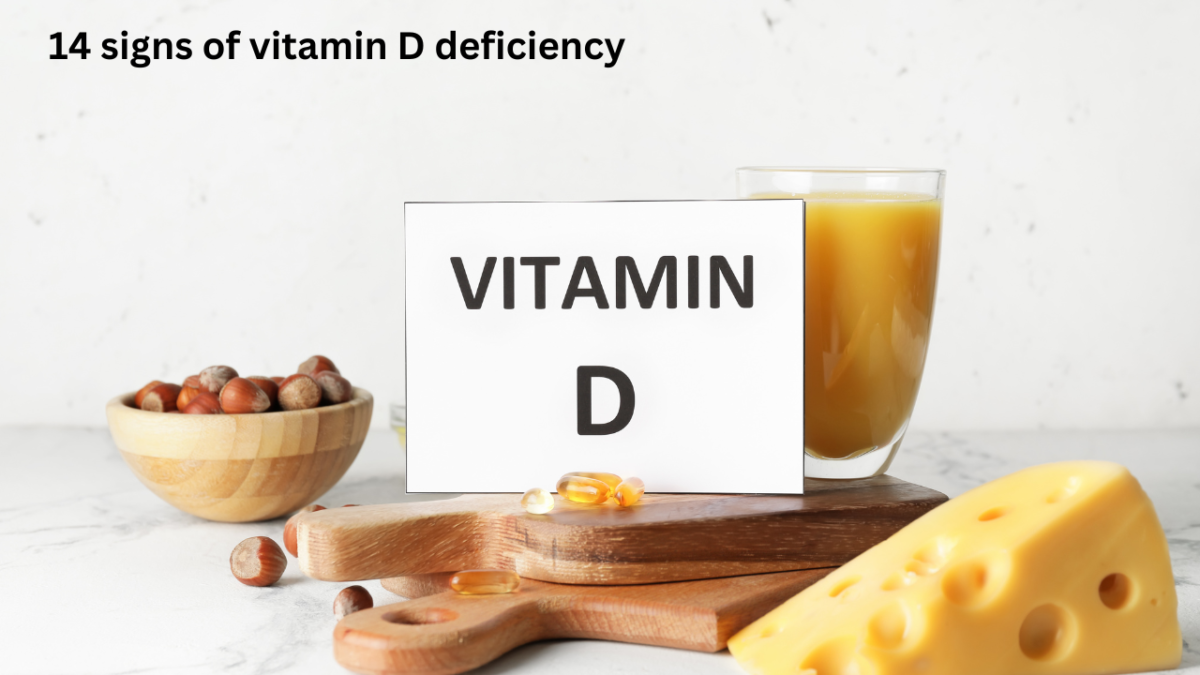
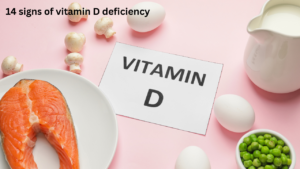
Food provides a smaller amount of vitamin D. Fatty fish such as salmon, mackerel, and sardines are among the richest natural sources. Egg yolks, beef liver, UV-exposed mushrooms, and fortified foods like milk, breakfast cereals, and some plant-based beverages can also contribute to your daily intake.
Some people cannot meet their vitamin D needs through sunlight and food alone. In these cases, healthcare providers may recommend vitamin D supplements. The right dosage depends on age, medical history, blood test results, and individual health needs. Taking supplements without medical guidance, especially in high doses, is not recommended because excessive vitamin D can become harmful.
Types of Vitamin D
Although vitamin D is often discussed as a single nutrient, there are two main forms used in foods and supplements: vitamin D2 and vitamin D3.
Vitamin D2, also called ergocalciferol, comes mainly from plant sources and fortified foods. It can increase vitamin D levels, but research suggests its effects may not last as long in the body.
Vitamin D3, known as cholecalciferol, is the form your skin naturally produces after exposure to sunlight. It is also found in animal-based foods such as fatty fish and egg yolks. Many healthcare professionals prefer vitamin D3 supplements because they generally raise and maintain blood vitamin D levels more effectively than vitamin D2.
Choosing between the two depends on individual health needs, dietary preferences, and medical advice, but both forms can help correct deficiency when used appropriately.
Who Is Most at Risk of Vitamin D Deficiency?
Vitamin D deficiency can affect people of any age, but some groups have a significantly higher risk than others.
People who spend most of their day indoors often produce less vitamin D because their skin receives very little direct sunlight. Office workers, students, and people who work night shifts commonly fall into this category.
Older adults are another high-risk group. As we age, the skin becomes less efficient at producing vitamin D, and the kidneys become less effective at converting it into its active form.
Individuals with darker skin naturally produce less vitamin D from the same amount of sunlight because higher levels of melanin reduce UVB absorption. This does not mean darker skin causes deficiency, but it may increase the need for adequate sun exposure or dietary intake.
People living with obesity, kidney disease, liver disease, Crohn’s disease, celiac disease, or other conditions that affect nutrient absorption may also struggle to maintain healthy vitamin D levels.
Pregnant women, breastfeeding mothers, and infants require special attention because vitamin D plays an important role in healthy growth and development during these stages of life.
Why Vitamin D Deficiency Is Increasing Worldwide
Vitamin D deficiency has become a growing public health concern in many countries. One major reason is the shift toward indoor lifestyles. Many people now spend most of their working hours inside homes, offices, schools, or shopping centers, reducing their exposure to natural sunlight.
Urban living has also changed daily routines. High-rise buildings, air pollution, long commuting hours, and increased screen time mean that even people living in sunny climates may not get enough direct sunlight.
Diet also plays a role. Natural food sources of vitamin D are limited, and many people do not regularly eat fatty fish or other vitamin D-rich foods. Although fortified foods help, they are often not enough to correct a significant deficiency.
In addition, certain medications and chronic medical conditions can interfere with how the body absorbs, stores, or activates vitamin D, making deficiency more likely even when dietary intake appears adequate.
Key Takeaways
Vitamin D is far more than a nutrient for healthy bones. It supports muscles, the immune system, nerve function, and many other essential processes throughout the body. Because deficiency often develops gradually, many people live with low vitamin D levels for months or even years before recognizing the symptoms.
Understanding how vitamin D works, who is most at risk, and why deficiency is becoming increasingly common provides the foundation for recognizing the warning signs early. In the next section, we will explore the 14 signs of vitamin D deficiency, including several hidden symptoms that many people and even some online guides often overlook.
14 Signs of Vitamin D Deficiency
Vitamin D deficiency does not always cause obvious symptoms in the beginning. Many people continue their daily routine without realizing that low vitamin D levels may be affecting their health. The symptoms often develop gradually and can become more noticeable as the deficiency worsens.
Some signs are easy to recognize, while others are often mistaken for stress, aging, or lack of sleep. Understanding these warning signs can help you seek medical advice before the deficiency leads to more serious health problems.
1. Constant Fatigue and Low Energy
Feeling tired after a long day is normal. However, feeling exhausted every day despite getting enough sleep may be an early sign of vitamin D deficiency.
Vitamin D helps support muscle function, energy metabolism, and normal body processes. When levels are low, many people report ongoing fatigue that does not improve with rest. Simple daily activities may start to feel more difficult than usual.
Several studies have found an association between low vitamin D levels and chronic fatigue, although fatigue can also have many other medical causes. A healthcare provider can determine whether vitamin D deficiency is contributing to your symptoms.
2. Frequent Illness or Infections
If you often catch colds, experience repeated respiratory infections, or take longer to recover from common illnesses, low vitamin D levels may be one contributing factor.
Vitamin D plays an important role in supporting the immune system. It helps immune cells respond effectively to bacteria and viruses while also helping regulate inflammatory responses.
Although vitamin D is not a treatment for infections, maintaining healthy levels supports normal immune function and overall health.
3. Bone Pain or Tenderness
Persistent bone pain is one of the most recognized signs of vitamin D deficiency.
Many people describe the discomfort as a deep ache in the lower back, hips, pelvis, legs, or ribs. Because vitamin D helps the body absorb calcium, low levels can gradually weaken bones and increase discomfort.
If left untreated for a long period, severe deficiency may contribute to conditions such as osteomalacia in adults, where bones become softer and weaker than normal.
4. Muscle Weakness
Muscle weakness can appear even before bone problems become noticeable.
People with vitamin D deficiency may find it harder to climb stairs, carry groceries, stand up from a chair, or complete routine physical activities. Athletes may also notice reduced performance and slower recovery after exercise.
In older adults, muscle weakness caused by vitamin D deficiency may increase the risk of falls and fractures.
5. Feeling Low or Changes in Mood
Some people with vitamin D deficiency report feeling unusually low, unmotivated, or emotionally drained.
Researchers have identified vitamin D receptors in several areas of the brain, leading scientists to investigate how vitamin D may influence mood and cognitive function. While vitamin D deficiency is not the only cause of depression or anxiety, healthcare providers may evaluate vitamin D levels when these symptoms occur alongside other signs of deficiency.
If persistent sadness or anxiety is affecting your daily life, it is important to seek professional medical support rather than relying only on supplements.
6. Slow Wound Healing
Cuts, scrapes, or minor injuries that take longer than expected to heal may sometimes be linked to low vitamin D levels.
Vitamin D supports several biological processes involved in tissue repair and inflammation. Although many factors influence wound healing, including diabetes and circulation problems, vitamin D deficiency may also contribute in some individuals.
7. Hair Loss
Hair loss has many possible causes, including genetics, hormonal changes, stress, nutritional deficiencies, and certain medical conditions.
Some research suggests that low vitamin D levels may be associated with certain types of hair loss, particularly autoimmune-related conditions such as alopecia areata. However, vitamin D deficiency is rarely the only reason for thinning hair.
If hair loss is persistent or severe, a medical evaluation can help identify the underlying cause.
Symptoms That Are Often Overlooked
Not every symptom of vitamin D deficiency is obvious. Many people experience subtle changes that are easy to dismiss during a busy lifestyle.
Some commonly overlooked symptoms include difficulty concentrating, poor sleep quality, reduced physical endurance, occasional muscle cramps, brain fog, and slower recovery after exercise or illness.
These symptoms are not unique to vitamin D deficiency, but when several occur together, they may warrant further evaluation by a healthcare professional.
How Symptoms Usually Progress Over Time
Vitamin D deficiency often develops gradually rather than overnight. The timeline varies from person to person depending on age, diet, sun exposure, and overall health.
During the early stages, many people notice only mild fatigue or reduced energy. As vitamin D levels continue to fall, muscle weakness, bone discomfort, and decreased physical performance may become more noticeable.
If the deficiency remains untreated for months, symptoms can become more severe and may increase the risk of bone loss, fractures, and reduced quality of life. Early diagnosis and appropriate treatment can help prevent these long-term complications.
Key Takeaway
The first seven signs of vitamin D deficiency are often subtle, which is why they are frequently ignored. Persistent fatigue, frequent infections, bone pain, muscle weakness, mood changes, slow wound healing, and hair loss should not automatically be dismissed as normal aging or everyday stress. Recognizing these symptoms early allows for timely testing and appropriate treatment before more serious health problems develop.
8. Frequent Muscle Cramps
Muscle cramps are common after exercise, but frequent cramps without a clear reason may be linked to vitamin D deficiency.
Vitamin D helps muscles contract and relax properly. When levels are low, muscle function may become less efficient, leading to cramps, tightness, or discomfort, especially in the legs.
Persistent muscle cramps should always be discussed with a healthcare provider because they can also result from dehydration, low magnesium, or other medical conditions.
9. Back Pain
Lower back pain is another symptom that people often ignore.
Vitamin D supports bone mineralization and muscle strength. A long-term deficiency may contribute to chronic lower back discomfort, especially in adults who spend most of their day sitting indoors.
Although back pain has many possible causes, vitamin D deficiency is one factor your doctor may evaluate if symptoms continue.
10. Poor Sleep Quality
Many people with low vitamin D report difficulty falling asleep or staying asleep.
Researchers continue to study the relationship between vitamin D and sleep regulation. While more research is needed, maintaining healthy vitamin D levels may support normal sleep patterns as part of an overall healthy lifestyle.
11. Brain Fog and Poor Concentration
Do you struggle to focus or remember simple tasks?
Brain fog is not a disease, but it is a symptom that many people describe when they have vitamin D deficiency.
Poor concentration, reduced mental clarity, and slower thinking can have many causes. Vitamin D deficiency is one possible contributor that should not be overlooked.
12. Increased Risk of Falls
This symptom is especially common in older adults.
Weak muscles and poor balance caused by vitamin D deficiency can increase the likelihood of falls. Falls are a major cause of fractures in seniors, which is why healthcare providers often check vitamin D levels in older patients.
13. Stress Fractures
Bones constantly rebuild themselves throughout life.
Without enough vitamin D, bones gradually lose strength. This can increase the risk of stress fractures, especially in athletes, runners, and older adults.
Stress fractures often develop slowly and may initially feel like a dull ache during activity.
14. Weak Bones (Osteomalacia)
Severe vitamin D deficiency can lead to osteomalacia in adults.
This condition softens the bones, making them weaker and more painful. Walking, climbing stairs, and standing for long periods may become difficult.
Early diagnosis and treatment can help prevent permanent complications.
What Causes Vitamin D Deficiency?
Vitamin D deficiency usually develops because the body is not getting enough vitamin D or cannot use it properly.
The most common causes include:
- Limited exposure to sunlight.
- A diet low in vitamin D-rich foods.
- Aging, which reduces the skin’s ability to produce vitamin D.
- Obesity, where vitamin D becomes stored in body fat.
- Kidney or liver disease.
- Digestive disorders such as Crohn’s disease or celiac disease.
- Certain medications that affect vitamin D metabolism.
In many people, more than one factor contributes to the deficiency.
Who Is Most at Risk?
Some people are more likely to develop vitamin D deficiency than others.
Higher-risk groups include older adults, pregnant women, breastfeeding mothers, people with darker skin, office workers, individuals who rarely go outdoors, people living in colder climates, and those with chronic digestive or kidney diseases.
If you belong to one of these groups, your healthcare provider may recommend a vitamin D blood test.
How Doctors Diagnose Vitamin D Deficiency
Vitamin D deficiency cannot be confirmed based on symptoms alone.
Doctors usually diagnose it with a 25-hydroxyvitamin D [25(OH)D] blood test, which measures the amount of vitamin D circulating in your body.
In some cases, your doctor may also check calcium, phosphorus, and parathyroid hormone levels to better understand the cause of your symptoms.
Treatment Options
Treatment depends on how low your vitamin D levels are.
Many people improve with a combination of safe sun exposure, vitamin D-rich foods, and supplements recommended by their healthcare provider.
Severe deficiencies may require higher prescription doses for a limited time, followed by a maintenance dose.
Do not take high-dose vitamin D supplements without medical advice, as excessive vitamin D can cause harmful calcium buildup in the body.
How to Prevent Vitamin D Deficiency
Preventing vitamin D deficiency is often easier than treating it.
Spend some time outdoors when sunlight is appropriate for your location and skin type. Include foods such as salmon, sardines, egg yolks, fortified dairy products, and fortified cereals in your diet.
If you have a medical condition that increases your risk of deficiency, ask your healthcare provider whether vitamin D supplements or regular blood tests are appropriate.
Small lifestyle changes can make a significant difference over time.
Frequently Asked Questions
H3: What are the first signs of vitamin D deficiency?
Early signs may include fatigue, muscle weakness, bone pain, low energy, and frequent infections. Symptoms usually develop gradually.
H3: Can vitamin D deficiency cause hair loss?
It may contribute to certain types of hair loss, but it is rarely the only cause. Hormonal changes, genetics, stress, and nutritional deficiencies should also be considered.
H3: How long does it take to recover?
Recovery varies depending on the severity of the deficiency and the treatment plan. Some people notice improvement within a few weeks, while others may take several months.
H3: Can I get enough vitamin D from food alone?
It is difficult for many people because only a limited number of foods naturally contain vitamin D. Some individuals may need supplements based on medical advice.
H3: Is too much vitamin D dangerous?
Yes. Excessive vitamin D supplementation can lead to vitamin D toxicity, which may cause high calcium levels and other serious health problems.
H3: Should I take vitamin D supplements every day?
Not everyone needs daily supplements. The correct dosage depends on your age, health status, diet, sun exposure, and blood test results. Always follow medical advice.

Conclusion
Vitamin D deficiency is common, but it often goes unnoticed because the symptoms develop slowly. Persistent fatigue, muscle weakness, bone pain, frequent infections, poor concentration, and slow recovery should never be ignored if they continue for weeks or months.
The good news is that vitamin D deficiency can usually be diagnosed with a simple blood test and managed through appropriate treatment, a balanced diet, sensible sun exposure, and supplements when necessary. Recognizing the warning signs early can help reduce the risk of long-term complications and improve your overall health.
If you believe you may have vitamin D deficiency, consult a qualified healthcare professional for proper evaluation rather than self-diagnosing or taking high-dose supplements on your own.
References
- National Institutes of Health (NIH) – Vitamin D Fact Sheet for Health Professionals
https://ods.od.nih.gov/factsheets/VitaminD-HealthProfessional/ - Cleveland Clinic – Vitamin D Deficiency
https://my.clevelandclinic.org/health/diseases/15050-vitamin-d-vitamin-d-deficiency - Mayo Clinic – Vitamin D
https://www.mayoclinic.org/drugs-supplements-vitamin-d/art-20363792 - MedlinePlus – Vitamin D
https://medlineplus.gov/vitamind.html - National Health Service (NHS) – Vitamin D
https://www.nhs.uk/conditions/vitamins-and-minerals/vitamin-d/ - Harvard T.H. Chan School of Public Health – Vitamin D
https://nutritionsource.hsph.harvard.edu/vitamin-d/ - Endocrine Society – Vitamin D Guideline
https://www.endocrine.org/clinical-practice-guidelines/vitamin-d-for-prevention-of-disease - Bone Health & Osteoporosis Foundation – Vitamin D
https://www.bonehealthandosteoporosis.org/patients/treatment/calciumvitamin-d/ - Johns Hopkins Medicine – Vitamin D and Bone Health
https://www.hopkinsmedicine.org/health/wellness-and-prevention/vitamin-d-and-bone-health - National Library of Medicine (PubMed)
https://pubmed.ncbi.nlm.nih.gov/