Mastering Google Flow for a Better Digital Workspace
The modern digital workspace can often feel overwhelming with countless applications and browser tabs open simultaneously. Every professional understands the daily struggle of switching between different tools just to complete a single collaborative project. This constant context switching severely drains our mental energy and drastically reduces overall daily productivity. Finding a reliable system that connects all these scattered digital pieces is essential for maintaining deep focus. A unified approach helps individuals regain control over their precious time and creative output.
The concept we are exploring today centers entirely around creating a frictionless environment for your essential tasks. When your digital tools communicate seamlessly, you spend much less time managing software and more time executing actual work. This interconnected method allows vital information to move naturally from one stage of a project to the next. Professionals who adopt this specific mindset often experience a massive boost in their creative and analytical capacities. It is ultimately all about removing the invisible technical barriers that slow down our natural thought processes.
Psychological studies consistently demonstrate that human beings perform best when they enter an uninterrupted state of deep concentration. Minor distractions, like endlessly searching for a specific file across multiple drives, can completely shatter that valuable focus. By intelligently organizing your digital life, you create a highly protected mental space where deep work can actually happen. This beautifully organized state is exactly where breakthrough ideas are born and complex business problems are finally solved. Cultivating this specific environment is the true key to thriving in any modern competitive digital industry.
Unfortunately, many global companies still rely on heavily fragmented systems that force employees to act as manual bridges between apps. Copying and pasting raw data from a spreadsheet directly into a client presentation is a classic example of this wasted effort. These tedious manual transitions are not just highly annoying; they are incredibly prone to human error and critical data loss. We desperately need much smarter solutions that handle these heavy administrative burdens automatically in the background. Letting advanced technology do the heavy lifting allows human workers to focus entirely on broad strategy and genuine innovation.
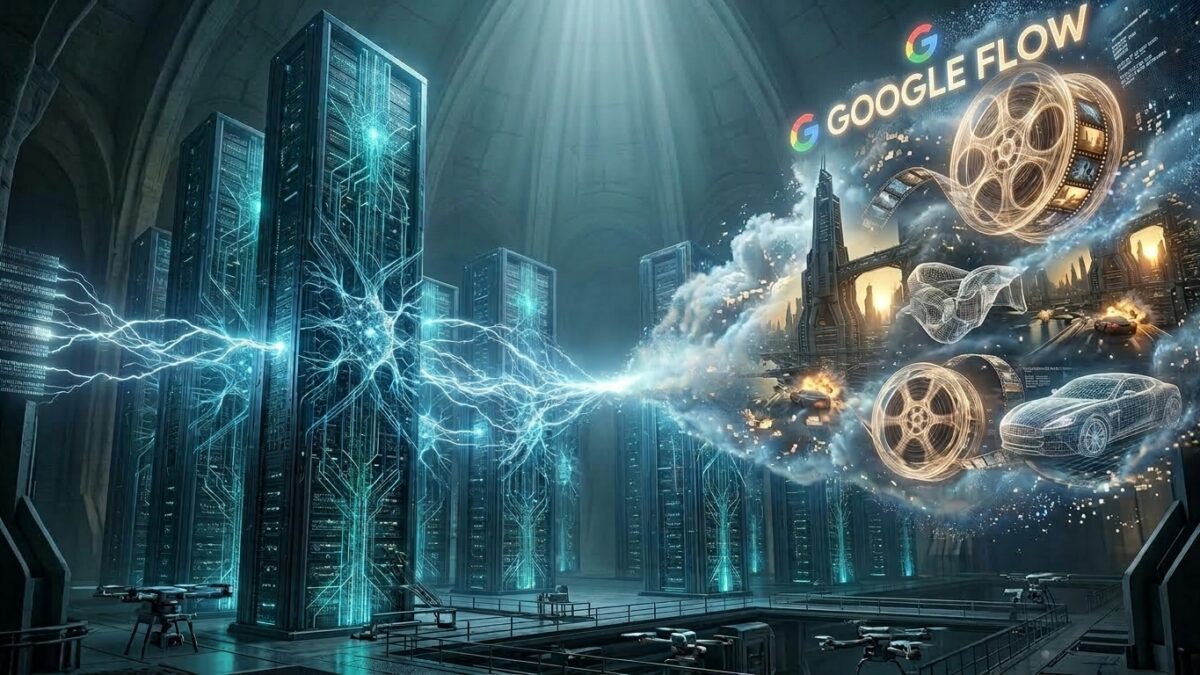
Embracing google flow offers a highly practical way to escape this frustrating daily cycle of digital workspace chaos. This strategy encourages a holistic view of your entire tech stack, ensuring every application serves a clear and connected purpose. As we move much further into an exciting era of advanced automation, mastering these unified systems will become absolutely non-negotiable. The modern professionals who learn to successfully build and navigate these integrated setups will undoubtedly lead their respective fields. Now, let us dive directly into the specific ways you can implement this powerful methodology in your own work life.

How Google Flow Upgrades Your Creative and Analytical Processes
Enhancing Cinematic and Visual Projects
When working on complex multimedia campaigns, visual assets need to move incredibly fast from initial conception to final editing. A disjointed software system causes massive rendering delays and transfer headaches between different remote team members. Implementing a perfectly smooth digital pipeline ensures that your creative vision remains completely intact throughout the production cycle. For instance, understanding the raw capabilities of advanced tools like Veo 3 shows how rapid video generation fits into a larger connected workflow. You can easily read more about advanced rendering technologies on authoritative platforms like TechCrunch to stay updated on industry trends.
Improving Automated Customer Interactions
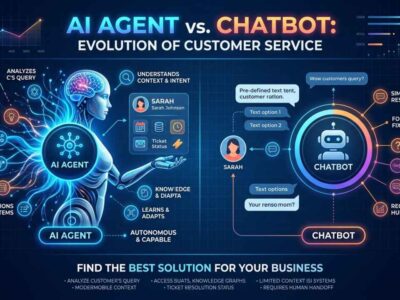
Modern customer service relies heavily on highly intelligent systems to handle repetitive daily inquiries without frustrating the end user. Setting up a continuous internal data loop allows your support architecture to learn and improve from every single customer interaction. Knowing exactly when to deploy a simple scripted response versus a complex machine learning model is crucial for business success. You can thoroughly explore the technical nuances of these systems by reading a comprehensive AI agent vs chatbot architectural breakdown. For broader industry standards on automated communication, Forbes regularly publishes excellent analytical pieces covering enterprise software.
Prioritizing Security and Identity Verification
A tightly connected digital ecosystem is incredibly powerful, but it also desperately requires strict security protocols to protect sensitive data. Every single time information moves between applications, there is a potential digital vulnerability that must be actively managed by administrators. Implementing highly robust identity checks ensures that only strictly authorized individuals can access your integrated workflow network. If you are deeply curious about specific security measures, learning why does character ai require camera scan protocols provides excellent real-world context. Trusted cybersecurity resources like Wired consistently highlight the massive importance of these user verification steps in modern applications.
Centralizing Your Research and Data Collection
Effective technical writing and strategic planning always begin with gathering highly accurate information from multiple reliable online sources. If your digital notes are scattered across five different applications, synthesizing that crucial information becomes a completely miserable experience. Creating a single centralized hub for all your research material allows you to connect complex ideas much faster and easier. Checking out detailed NotebookLM reviews can help you find the absolute right tool for organizing your analytical thoughts. Connecting these smart research notebooks directly to your main writing software completely eliminates the friction of content creation.
Addressing Environmental and Infrastructural Demands
As we rely much more heavily on cloud-based integrations, the physical infrastructure supporting these tools faces truly unprecedented pressure. Running complex automated tasks back-to-back requires massive amounts of electricity and highly specialized data center cooling systems. Tech companies and digital consumers alike must start factoring these invisible environmental costs into their long-term digital strategy decisions. Exploring the harsh realities of the AI energy crisis is absolutely essential for anyone building sustainable software solutions today. Global organizations like the World Economic Forum are actively working on vital frameworks to make this technology significantly more sustainable.
Designing a Future-Proof Tech Architecture
The ultimate business goal is to build a robust digital environment that can smoothly grow and adapt as your needs change. This specifically means choosing versatile applications that offer strong integration capabilities and openly accessible application programming interfaces. You must actively avoid locking yourself into heavily closed ecosystems that stubbornly refuse to play nicely with your preferred productivity tools. A well-designed workflow naturally acts as a solid foundation, allowing you to easily swap out individual apps without breaking the system. By strictly focusing on seamless interconnectivity, you guarantee that your tech stack will remain highly relevant and efficient for years.

Frequently Asked Questions
Question: What exactly does this integration concept mean for everyday users?
Answer: It refers to intelligently connecting your various digital tools so that data and daily tasks move seamlessly between them without any manual effort.
Question: Who can actually benefit the most from adopting this methodology?
Answer: Digital creators, busy project managers, and remote corporate teams who heavily handle multiple software platforms daily will see the biggest productivity improvements.
Question: Does it strictly require advanced coding skills to set up properly?
Answer: Not at all, because most modern applications offer built-in native integrations or user-friendly connection hubs that require absolutely zero coding knowledge.
Question: How does this strategy tangibly improve daily workplace productivity?
Answer: It completely eliminates the exhausting need to constantly switch tabs or manually copy-paste data, saving massive amounts of mental energy and time.
Question: Are there any significant security risks associated with connected apps?
Answer: While digital data sharing always carries some inherent risk, using reputable software with strong military-grade encryption keeps your connected workspace highly secure.
Question: Can I effectively use this specific strategy for personal life organization?
Answer: Absolutely, connecting your personal smart calendar, daily email, and note-taking apps can drastically improve how you manage your daily life.
Question: Will adopting this workflow make my current software tools obsolete?
Answer: It actually greatly enhances your current tools by allowing them to communicate freely, rather than replacing your favorite applications entirely.
Question: How long does it generally take to see real results from this setup?
Answer: Once the short initial setup is fully complete, you will notice a much smoother workflow and significant time savings almost immediately.

Conclusion
The ongoing transition toward highly interconnected digital workspaces represents a massive leap forward for modern productivity and collaborative creativity. Mastering the core foundational principles of an integrated digital ecosystem allows individuals and organizations to eliminate frustrating technical barriers. As intelligent web applications become increasingly sophisticated, the ability to seamlessly weave them into a single, cohesive workflow will be incredibly valuable. Dedicated professionals who eagerly adapt to these seamless environments will find themselves far better equipped to handle the complex business challenges of the future. By thoughtfully integrating the absolute right digital tools today, you are actively building a highly resilient foundation for long-term success in the digital age.