
Climate Change Effects on Animals: Risks, Habitats & Survival
Climate Change Effects on Animals: How a Warmer Planet Is Changing Wildlife
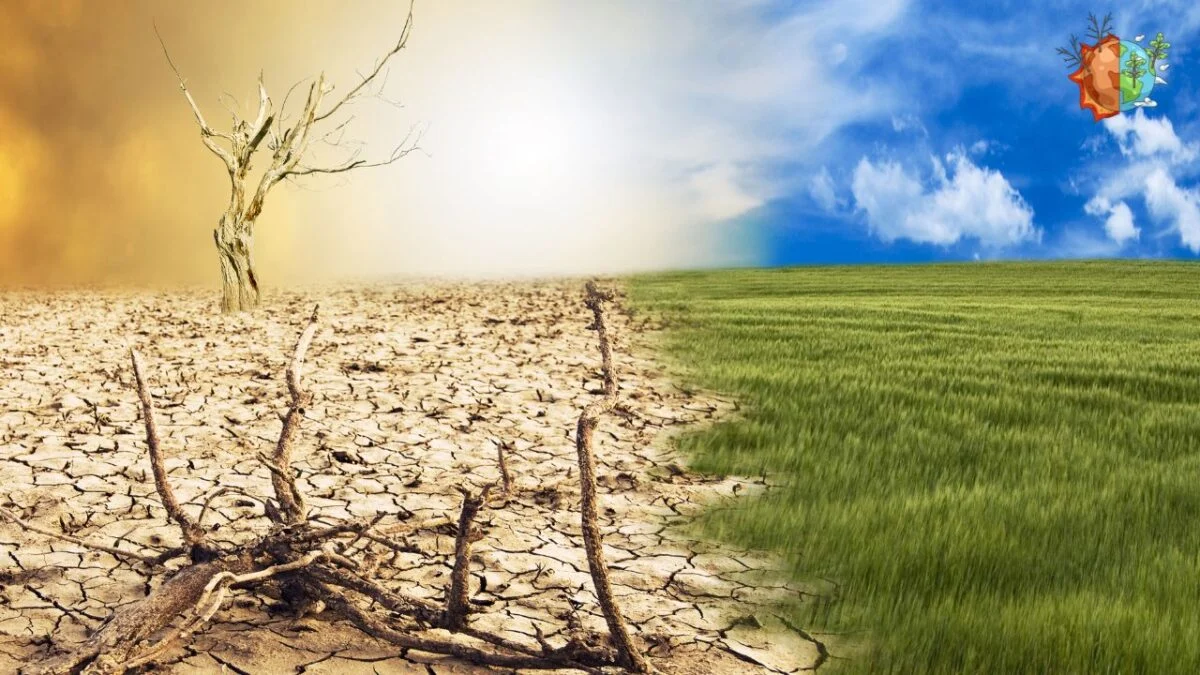
Climate change is changing the conditions animals depend on for survival. The climate change effects on animals can be seen in shifting habitats, altered migration routes, changing breeding seasons, food shortages, disease risks, and greater exposure to extreme heat and weather. These changes do not affect every species in the same way, but animals that depend on narrow temperature ranges or highly specific habitats can face serious pressure.
The problem is bigger than a few unusually hot days. Animals have evolved around seasonal patterns that often remained relatively predictable for generations. When temperature, rainfall, snow cover, sea ice, and ocean conditions change faster than species can adjust, the balance between animals and their environment can begin to break down. The IPCC reports that climate change has already altered marine, freshwater, and terrestrial ecosystems worldwide, with observed effects including changes in species abundance, geographic ranges, seasonal timing, disease, and local species losses. (IPCC)
How Climate Change Is Affecting Animals
One of the clearest effects is a change in where animals can live. Every species has environmental conditions within which it can feed, reproduce, find shelter, and avoid dangerous levels of heat or cold. As those conditions shift, animals may move toward cooler regions, higher elevations, or deeper waters.
The IPCC has documented shifts in the geographic ranges of animals and plants toward higher latitudes as temperatures rise. On land, movement toward higher elevations is also common in biodiversity hotspots. (IPCC)
This sounds simple, but moving is not always an option. A mountain species may eventually reach the top of its available habitat. An animal living on an island may have nowhere cooler to go. Roads, farms, cities, dams, and other human-made barriers can also prevent wildlife from following changing climate conditions.
That creates a dangerous mismatch: suitable climate may move, while the animal cannot.
Rising Temperatures Put Animals Under Stress
Heat is one of the most direct ways climate change affects wildlife. Animals need to keep their bodies within a safe temperature range. When temperatures become extreme, they may spend more energy trying to cool themselves instead of feeding, growing, or reproducing.
Heat can be particularly difficult for animals that already live near their upper temperature limit. Small changes can affect activity, water requirements, reproduction, and survival. Young animals can be especially vulnerable because they may have fewer ways to escape extreme conditions.
Extreme heat can also change entire habitats. Drought can reduce water supplies and vegetation. Wildfires can destroy shelter and food sources. When several pressures occur together, animals may have difficulty recovering even after temperatures return to normal.
The IPCC says climate change has contributed to mass mortality events in plants and animals and has caused local species losses in different ecosystems. (IPCC)
Habitat Loss Makes Climate Pressure Worse
Climate change does not always destroy an animal’s habitat directly. Sometimes it changes the habitat until it no longer provides what the species needs.
A warming climate can alter forests, grasslands, wetlands, deserts, rivers, and coastal ecosystems. Changes in rainfall can create drought in one area and flooding in another. Snow and ice can disappear earlier than expected, while warmer conditions can allow some species to expand into areas where they previously could not survive.
The problem becomes more severe when climate change is combined with habitat fragmentation. An animal may need to move to a cooler location, but nearby forests or wetlands may already be separated by roads, farms, or cities.
This is why protecting connected natural areas matters. The IPCC notes that habitat protection, restoration, and connectivity can help improve the resilience of ecosystems as climate conditions change. (IPCC)
Climate Change Can Disrupt Animal Migration
Migration depends heavily on timing. Birds, mammals, fish, insects, and other animals often travel because food, water, temperature, or breeding conditions change with the seasons.
When climate patterns shift, that timing can become unreliable.
For example, a bird may arrive at its breeding grounds expecting a seasonal food supply that now peaks earlier. A fish may encounter warmer water along a traditional route. A mammal may find that snow conditions or plant growth no longer match the timing of its migration.
NOAA explains that changing climate conditions and the reduction or fragmentation of cold-weather habitat can force migratory species to adjust their ranges and routes. (Science On a Sphere)
Migration is therefore not simply about moving from one place to another. It is a chain of events. If one part of that chain changes, the animal may struggle to complete the entire cycle.
Food Availability Is Changing Too
Animals cannot survive without reliable food. Climate change can affect food supplies by changing plant growth, water availability, insect populations, ocean temperatures, and the timing of seasonal events.
A warmer spring, for example, may cause plants to flower earlier. Insects may respond to the same temperature changes, but not necessarily at the same rate. Birds that depend on those insects to feed their chicks can then face a timing problem.
Marine ecosystems have their own version of this problem. Changes in ocean temperature can move fish populations and alter the availability of prey. Marine mammals may have to travel farther to find enough food, increasing the energy they spend simply staying alive.
These effects can spread through food webs. When one species declines, predators that depend on it may also suffer. The result can be an ecological chain reaction rather than an isolated problem affecting one animal.
Why Some Animals Are More Vulnerable Than Others
Not every species has the same ability to respond to climate change. Generalist animals that can eat many types of food or live in different environments may have more options. Species with narrow habitat requirements have fewer.
Animals living on islands, mountains, polar regions, or specialized habitats can be especially vulnerable because their opportunities to move are limited. The IPCC reports that endemic species in biodiversity hotspots can face particularly high extinction risks because many have relatively small geographic ranges. (IPCC)
This is one reason climate change should not be viewed simply as a gradual increase in temperature. It can remove the environmental conditions that make a particular place suitable for an entire species.
The consequences can become even more serious when climate stress is combined with hunting, pollution, habitat destruction, invasive species, overfishing, or disease. Multiple pressures can reduce an animal’s ability to adapt or recover.
In the next part, we will look more closely at breeding and reproduction, disease, ocean warming, extreme weather, polar wildlife, extinction risk, and real examples of animals already responding to climate change. We will also examine what conservation strategies can do to give vulnerable species a better chance of surviving a rapidly changing climate.
Climate Change Effects on Animals: Reproduction, Disease and Extinction Risks
The effects of climate change become even more serious when they interfere with the basic biological processes animals need to survive. Finding a new habitat may help some species, but moving cannot solve every problem. Animals must still find food, reproduce at the right time, avoid disease, and survive extreme events. When several of these pressures occur together, populations can decline quickly.
The IPCC reports that climate change has already caused local population losses, increased wildlife disease, mass mortality events, and documented climate-driven extinctions. These effects are especially concerning when species have small ranges or limited opportunities to move. (IPCC)
Breeding Seasons Are Moving Out of Sync
Many animals rely on seasonal signals to reproduce. Temperature, daylight, rainfall, snowmelt, and food availability can tell an animal when conditions are suitable for breeding.
Climate change can shift those signals.
Spring temperatures may arrive earlier, plants may grow sooner, and insects may appear at different times. If a bird begins breeding based on temperature but its main food source peaks weeks earlier, newly hatched chicks may face a shortage of food.
This is known as a phenological mismatch. It does not necessarily mean that every population will decline, but repeated mismatches can make reproduction less successful.
Some animals can adjust their behavior or breeding schedules. Others have less flexibility. The IPCC notes that biological responses such as changes in physiology, growth, abundance, geographic range, and seasonal timing are often not enough to keep pace with recent climate change. (IPCC)
Disease Can Become a Bigger Threat
Warmer conditions can also change the relationship between animals, pathogens, and disease-carrying organisms.
Ticks, insects, fungi, parasites, and other disease agents are influenced by temperature and moisture. When environmental conditions become suitable in new areas, some pathogens or vectors can expand their ranges.
The IPCC finds high confidence that climate change has increased wildlife diseases. Some vector-borne diseases and diseases caused by ticks, worms, and the chytrid fungus have shifted toward higher latitudes or elevations and emerged in new regions. (IPCC)
This matters because wildlife may have little protection against a pathogen entering a new habitat. A species that has never encountered a particular disease may be especially vulnerable.
Disease can also interact with other climate pressures. An animal weakened by heat, poor nutrition, drought, or habitat loss may have less ability to withstand infection.
That creates a compounding problem rather than a single isolated threat.
Ocean Warming Is Changing Marine Life
Understanding ocean warming is changing marine life
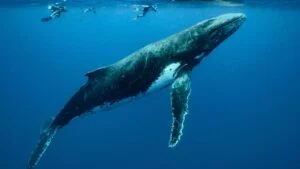
Here is what you need to know about climate change effects on animals. Climate change isn’t only a land-based problem. Oceans absorb much of the excess heat associated with global warming, and changing marine conditions can affect fish, seabirds, turtles, whales, seals, and countless smaller organisms. For this reason, protecting marine wildlife is becoming increasingly important, as highlighted in our guide to saving whales in San Francisco. When ocean temperatures change, some marine animals move toward cooler waters. Their prey may move too, but not always in the same direction or at the same speed.
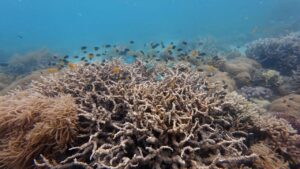
That can alter food webs. A predator that traditionally feeds in one area may have to travel farther to find enough prey. More travel requires more energy, leaving less energy available for growth or reproduction. Coral reef ecosystems face another major challenge. Warmer ocean temperatures can cause coral bleaching, weakening the reef habitats that provide shelter and feeding grounds for many marine species. Also, the IPCC identifies tropical coral reefs among ecosystems facing serious threats even at relatively lower levels of warming. (IPCC) The effects can therefore spread beyond coral itself. When reef structure deteriorates, animals that depend on that structure may lose food, shelter, breeding areas, or protection from predators.
Extreme Weather Can Kill Animals Quickly
Long-term warming is only part of the story. Climate change can also increase the pressure created by extreme events such as heat waves, droughts, floods, wildfires, and severe storms.
An animal may survive a gradual change in average temperature but struggle when an extreme event pushes conditions beyond its physiological limits.
The IPCC explains that increasingly frequent and intense extreme events can push species beyond ecological and evolutionary limits. If extreme events occur repeatedly, populations may not have enough time to recover between them. (IPCC)
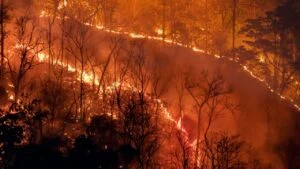
Heat waves can cause mass deaths among animals that cannot escape high temperatures. Drought can eliminate temporary ponds used by amphibians and other freshwater species. Wildfires can destroy nesting sites and food sources. Flooding and storms can wash away nests, burrows, eggs, or entire habitats.
For animals with very small geographic ranges, one severe event can have consequences for the whole species.
Polar Animals Face a Narrowing Habitat
Cold-dependent animals are among the clearest examples of climate vulnerability.
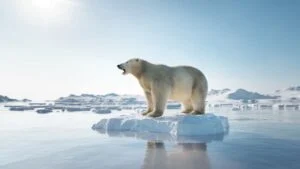
Polar bears, seals, penguins, Arctic fish, and other cold-adapted species depend on environmental conditions that are changing rapidly. Sea ice provides hunting platforms, breeding areas, resting places, and protection for some species.
As ice conditions change, animals may have to travel farther or spend more energy finding food.
Mountain animals face a similar problem. Moving uphill can provide cooler conditions, but eventually there is nowhere higher to go.
The IPCC identifies polar and high-mountain species as particularly vulnerable because warming can remove the climate conditions they depend on. (IPCC)
Climate Change Can Push Species Toward Extinction
The most serious outcome occurs when a species can no longer maintain a viable population.
The IPCC reports that climate-related local population extinctions have already been widespread. In one assessment covering 976 species, climate-change-associated local extinctions were detected in 47% of the species examined. The proportion was higher among animals than plants in that assessment. (IPCC)
Some individual cases show how several climate pressures can combine.
The Bramble Cay melomys, a small rodent native to a low-lying island in Australia’s Torres Strait, was declared extinct in 2016. The IPCC reports that rising sea levels, storm surge, and repeated inundation associated with climate change were the most probable drivers. The animal also lost much of the vegetation it depended on for food. (IPCC)
The example shows why climate change cannot always be reduced to temperature alone. Rising seas, stronger or more frequent extreme events, habitat degradation, and food loss can work together.
Why Adaptation Has Limits
Animals are not completely helpless in the face of environmental change. Some species can alter their behavior, move to new areas, change seasonal timing, or adapt genetically over generations.
But adaptation has limits.
Evolution requires enough surviving people and enough time for useful traits to become common. If environmental conditions change too rapidly, or if suitable habitat disappears completely, natural adaptation may not be fast enough.
The IPCC concludes that evolutionary change cannot prevent extinction when a species’ suitable climate space disappears globally. (IPCC)
This is particularly important for animals with small populations, restricted habitats, slow reproduction, or specialized diets.
Climate Change Effects on Animals: What Can We Do to Protect Wildlife?
The climate change effects on animals are already changing habitats, food supplies, migration patterns, reproduction, and survival. But the story is not only about loss. Conservation can reduce some of these risks when it gives wildlife enough space, connectivity, and time to respond. The IPCC finds that protecting and restoring terrestrial, freshwater, coastal, and ocean ecosystems can reduce biodiversity’s vulnerability to climate change. (IPCC)
The most effective response is not one single project. Animals need healthy habitats, connected landscapes, reliable food and water, and protection from additional pressures such as pollution, overhunting, invasive species, and habitat destruction.
Protecting and Restoring Wildlife Habitat
Healthy habitat gives animals more options when environmental conditions change. A large, functioning ecosystem can contain shaded areas, wetlands, waterways, forests, and other local conditions that provide temporary refuges during heat, drought, or other climate extremes.
Habitat restoration can also rebuild places that have already been damaged. Restoring forests, wetlands, grasslands, rivers, and coastal ecosystems can improve food availability and provide breeding and shelter areas.
The IPCC reports that increasing natural habitat, restoring degraded areas, reducing fragmentation, and protecting local climate refuges can strengthen biodiversity resilience. (IPCC)
Restoration is particularly valuable when it connects remaining natural areas instead of treating each protected site as an isolated island.
Wildlife Corridors Give Animals Room to Move
As temperatures change, many species need to shift their ranges. A wildlife corridor can connect separate habitats and allow animals to move between them.
A corridor might be a strip of forest, a restored riverbank, grassland between larger reserves, or another suitable route through a fragmented landscape. In some areas, smaller “stepping stones” of habitat can also help species move between larger natural areas.
The IUCN describes ecological connectivity as an important part of climate adaptation because connected ecosystems can support migration and improve resilience. (IUCN)
However, corridors are not a universal solution. They need to match the needs of the species using them. A corridor that works for one animal may be unsuitable for another. Conservation planners also need to consider whether connectivity could help invasive species or diseases spread into new areas.
Protected Areas Can Give Vulnerable Species a Refuge
National parks, wildlife reserves, marine protected areas, and other conservation areas can provide animals with places where habitat destruction and human disturbance are limited.
But simply drawing a boundary on a map is not enough.
Protected areas need effective management, monitoring, funding, and long-term planning. Their location also matters. A reserve protecting the wrong habitat may offer little protection to a species whose climate range is moving elsewhere.
The IPCC recommends conservation and restoration strategies that account for future changes in species distributions and ecosystem structure. It also identifies increasing connectivity between protected areas as an important adaptation option. (IPCC)
This means conservation planning needs to look ahead rather than assuming today’s habitat will remain suitable forever.
Reduce Other Pressures on Wildlife
Climate change becomes more dangerous when animals are already under stress from other human activities.
Deforestation, pollution, overfishing, hunting, pesticides, invasive species, and habitat fragmentation can reduce a population’s ability to cope with warming. Reducing these pressures can give animals more resilience.
The IPCC specifically identifies reducing non-climate stressors as an important way to strengthen biodiversity resilience. (IPCC)
This is one of the most practical conservation lessons. Even when global temperatures cannot be changed quickly, governments and communities can often reduce local threats much faster.
Protecting a wetland from drainage, for example, can preserve a water source for wildlife. Reducing illegal hunting can allow a population to recover. Restoring native vegetation can provide food and shelter.
These actions do not stop climate change, but they can remove obstacles that make adaptation harder.
Conservationists Can Monitor Animals and Act Earlier
Wildlife monitoring is becoming increasingly important.
Scientists can track population numbers, migration routes, breeding success, habitat changes, disease, and temperature conditions. Satellite imagery, camera traps, GPS tags, acoustic monitoring, field surveys, and other technologies can reveal changes that might otherwise remain hidden.
Early information can help conservation managers respond before a population reaches a critical level.
For example, if monitoring shows that a species is moving toward higher elevations, conservation planners can protect habitat along that route before development blocks it. If breeding success falls after repeated heat events, managers can investigate whether food, water, shelter, or nesting conditions are becoming limiting.
IUCN guidance emphasizes preparing conservation strategies that help species cope with shifting climates and extreme events such as heat waves, floods, and droughts. (IUCN)
Can Conservation Ever Move Animals to New Areas?
Sometimes conservationists consider helped migration, also called helped colonization, when natural movement is unlikely to keep pace with environmental change.
The idea is simple: humans deliberately help a species reach a location where future climate conditions may be more suitable.
But this is not an easy decision.
Moving an animal can introduce disease, disrupt an existing ecosystem, or create competition with native species. The new environment must also provide suitable food, shelter, and breeding conditions.
The IPCC notes that helping movement to ecologically appropriate locations can be an adaptation option in some circumstances, while also recognizing that adaptation cannot eliminate every climate-related risk. (IPCC)
For this reason, helped movement should be highly targeted and based on scientific assessment rather than treating relocation as a general solution.
Conservation Breeding Can Protect Extremely Vulnerable Species
When a wild population becomes dangerously small, conservation breeding may provide another layer of protection.
Zoos, research institutions, and specialized conservation programs can maintain breeding populations while efforts continue to restore natural habitat.
In some cases, biological material such as embryos or genetic samples can also be preserved for future conservation work. The IPCC discusses such approaches as forms of helped adaptation for species facing severe environmental change. (IPCC)
However, keeping animals in captivity does not replace protecting them in the wild. A species ultimately needs a functioning ecosystem if it is to remain a sustainable part of nature.
Cutting Greenhouse Gas Emissions Remains Essential
Conservation can help animals adapt, but it cannot solve unlimited warming.
This distinction matters.
Protected areas, wildlife corridors, restoration, and species management can reduce vulnerability. They can give wildlife more space and improve resilience. But if temperatures continue rising, some habitats may eventually move beyond the conditions a species can tolerate.
The IPCC states that adaptation can reduce risks but cannot prevent all damaging climate impacts and is not a substitute for reducing greenhouse-gas emissions. (IPCC)
That makes emissions reduction the foundation of long-term wildlife protection.
Reducing fossil-fuel use, improving energy efficiency, expanding low-carbon energy, protecting forests, and reducing other greenhouse-gas emissions can slow the rate of climate change. The slower the environmental shift, the more opportunity many species have to adjust.
What Can People Do to Help Animals?
Large-scale climate policy matters most, but individual choices can also support wildlife when they are part of broader efforts.
People can protect native plants, reduce unnecessary pesticide use, avoid buying products connected to illegal wildlife trade, reduce waste, conserve water, and support credible conservation organizations. In suitable areas, gardens and community spaces can also provide food and shelter for birds, insects, and other wildlife.
Travelers and outdoor enthusiasts can reduce disturbance by staying on designated paths, keeping appropriate distances from wildlife, and following local conservation rules.
The goal is not perfection. It is reducing unnecessary pressure on ecosystems that are already dealing with a changing climate.
What Does the Future Look Like for Wildlife?
The future will not be identical for every species.
Some animals are likely to adjust their ranges, behavior, or seasonal patterns. Others may benefit temporarily from newly suitable conditions. But species with narrow climate tolerances, small populations, isolated habitats, or specialized ecological needs can face much greater risks.
The IPCC reports that species and ecosystems respond differently to warming and that risks increase as climate change intensifies. (IPCC)
There is therefore no single prediction that applies to all wildlife.
What is clear is that protecting nature today improves the chances of adaptation tomorrow.
Frequently Asked Questions
How does climate change affect animals?
Climate change can alter temperature, rainfall, habitat, food availability, migration, reproduction, disease exposure, and the frequency or intensity of extreme events. The effects vary by species and location.
Which animals are most vulnerable to climate change?
Species with narrow temperature ranges, specialized diets, small geographic ranges, isolated habitats, or limited opportunities to move can be particularly vulnerable. Polar, mountain, island, and specialized marine species can face significant risks.
Can animals adapt to climate change?
Some animals can change their behavior, migration, breeding timing, geographic range, or physiology. However, adaptation has limits, especially when climate conditions change rapidly or suitable habitat disappears.
Can wildlife corridors help animals survive climate change?
Yes, in suitable situations. Corridors can connect fragmented habitats and give some species routes to move toward areas with more favorable conditions. Their design must match the species and local ecosystem.
Is protecting habitat enough to stop climate change effects?
No. Habitat protection can reduce vulnerability and improve resilience, but it cannot eliminate climate risks. Reducing greenhouse-gas emissions remains essential for limiting long-term warming.
What is the most important way to protect animals from climate change?
The strongest approach combines emissions reduction with habitat protection, restoration, ecological connectivity, effective protected areas, reduction of other human pressures, scientific monitoring, and targeted species conservation.
Conclusion
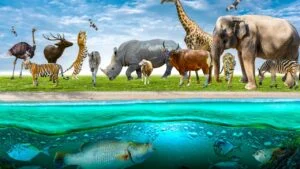
The climate change effects on animals are already visible in changing habitats, migration, food supplies, reproduction, disease patterns, and population survival. Some wildlife can adjust, but not every species can move or adapt quickly enough.
The good news is that conservation can make a real difference. Protecting large natural areas, restoring damaged ecosystems, connecting habitats, reducing pollution and other pressures, monitoring vulnerable species, and supporting targeted conservation programs can improve wildlife resilience. (IPCC)
But conservation works best when paired with climate action. A protected forest cannot remain a safe refuge if the climate eventually moves beyond the conditions its wildlife needs.
The most useful goal is therefore not simply to save individual animals. It is to protect the ecosystems and natural processes that allow wildlife to survive, move, reproduce, and adapt. The choices made today will influence how much of the world’s wildlife remains capable of thriving in tomorrow’s climate.
Related reading: Currency Devaluation Effects: Prices, Trade & Economic Growth · Fantastic Animals Movie: Cast, Plot, and Streaming Guide

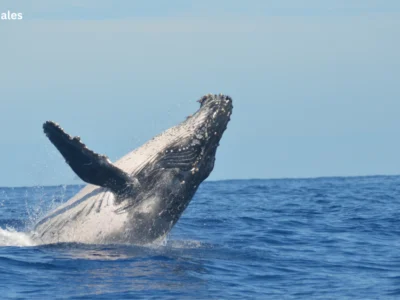
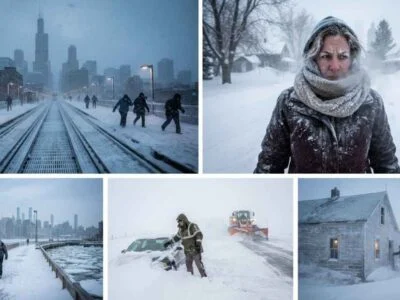
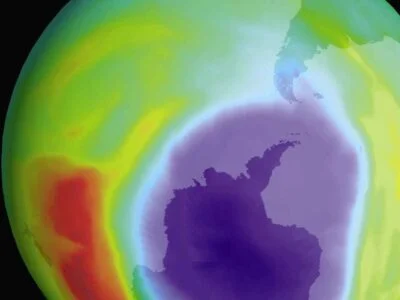
[…] For a broader look at how changing temperatures affect wildlife, readers can also explore NexaVice’s Climate Change Effects on Animals article. […]
[…] This is one area where it’s important to avoid simple claims. The polar atmosphere is affected by many natural processes. Scientists continue to study how a changing climate may influence the polar vortex and stratospheric circulation. Current research doesn’t support a simple statement that climate change automatically causes more sudden stratospheric warming events. NOAA’s discussion of the Arctic polar vortex also notes that there’s no clear long-term trend showing that the vortex is becoming consistently more disrupted. (Climate.gov) This doesn’t mean climate change has no connection to atmospheric circulation. In addition, it means the specific relationship between long-term warming and individual SSW events is complicated. For a broader look at how a changing climate can affect wildlife, see Climate Change Effects on Animals. […]